
Understanding the Record Fair Landscape: Types and Opportunities
The record fair ecosystem encompasses a diverse range of events, from small monthly community gatherings with 10-15 vendors to massive international shows like the Utrecht Record Fair in the Netherlands, which attracts over 200 dealers and 10,000 visitors. In the United States, major cities host regular vinyl events including the Brooklyn Record & CD Show (held monthly at the New York City Hall), the Pasadena City College Flea Market vinyl section (every first Sunday), and specialized genre fairs like the WFMU Record Fair in Jersey City. Each type of fair attracts different buyer demographics and price expectations, making it essential to match your inventory to the event profile.
Regional differences significantly impact selling strategies and pricing. Coastal urban markets like Los Angeles, New York, and Seattle tend to support higher price points, with collectors willing to pay $40-$60 for clean original pressings of sought-after titles. Midwest and Southern fairs often emphasize volume sales and bargain hunting, where $10-$15 becomes the sweet spot for most transactions. Understanding these regional variations helps you select the right fairs for your inventory and adjust pricing accordingly. Many successful dealers maintain a record fairs calendar to plan their selling schedule around the most profitable events throughout the year.
The vinyl fair booth experience differs fundamentally from online selling in several key ways. Transaction speed is immediate—no waiting for payments to clear or dealing with shipping logistics. Buyers can physically inspect records, which builds confidence but also means your grading must be absolutely accurate. Negotiation is expected and often enjoyable, with experienced dealers building rapport that leads to repeat customers at future events. The social aspect cannot be understated; many vendors report that networking with other dealers at fairs leads to wholesale buying opportunities and valuable market intelligence about trending artists and pricing.
Preparing Your Inventory: Selection and Pricing Strategies
Successful selling records at fairs begins weeks before the event with strategic inventory selection. The cardinal rule: bring what sells, not necessarily what you love. Market research through platforms like Discogs and Popsike reveals current demand and realistic pricing. For example, classic rock staples (Beatles, Zeppelin, Floyd) in VG+ to NM condition consistently move at $15-$25, while jazz and soul records often command higher prices from knowledgeable collectors willing to pay $30-$80 for original Blue Note or Stax pressings. Avoid bringing damaged or heavily worn records below VG- condition unless you're prepared to sell them for $1 or less in bargain bins.
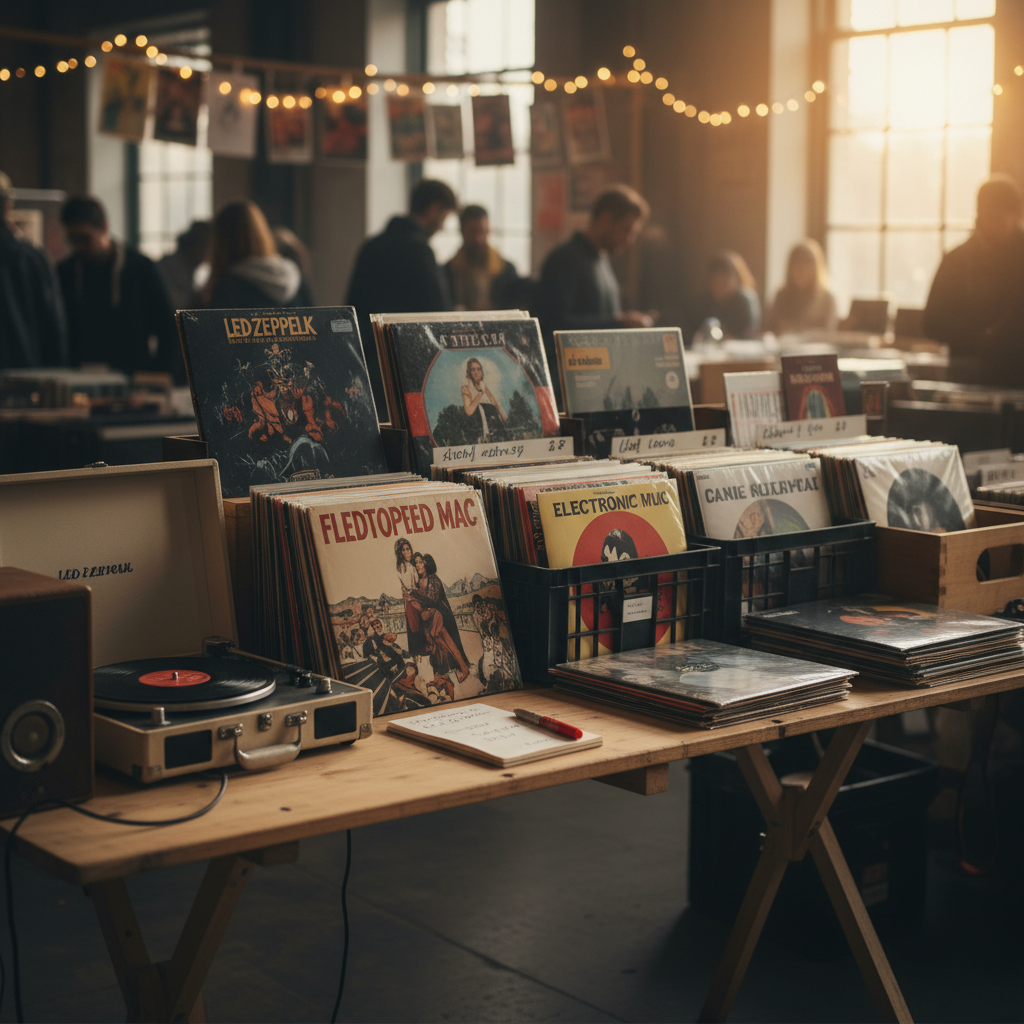
Pricing strategy should reflect the three-tier approach that experienced dealers employ: volume movers ($1-$5), bread-and-butter items ($8-$20), and showcase pieces ($25-$200+). Your volume movers attract browsers and create initial engagement—think common classic rock, 1980s pop, and duplicate copies. Bread-and-butter records generate consistent profit and should represent 50-60% of your inventory. These include desirable artists in good condition with broad appeal. Showcase pieces draw serious collectors to your booth and establish your credibility, even if only one or two sell during the event. Price these items at or slightly below current Discogs median to encourage purchases.
Grading accuracy is non-negotiable when selling at record fairs. Buyers will inspect your records closely, and overstating condition destroys trust instantly. Use the vinyl grading standards established by Goldmine, which most collectors recognize: Mint (M), Near Mint (NM), Very Good Plus (VG+), Very Good (VG), and Good (G). Always grade conservatively—if you're uncertain between VG+ and VG, choose VG. Inspect each record under good lighting before the fair, noting any surface marks, scratches, or label damage. Price adjustments based on condition can be substantial: a NM copy might sell for $25 while a VG copy of the same title should be priced at $10-$12.
Consider using tools like VinylAI to help catalog and price your inventory before the fair. The app's barcode scanning feature allows you to quickly check current market values and ensure your pricing remains competitive. Many dealers spend 10-15 hours preparing inventory for a major fair, cleaning records, organizing by genre or artist, and creating clear pricing labels that buyers can easily read from multiple angles.
Booth Setup and Presentation: Creating an Inviting Space
Your vinyl fair booth setup directly impacts sales volume and customer engagement. Most record fairs provide basic tables (typically 6-foot or 8-foot folding tables), but the presentation is entirely your responsibility. Professional dealers invest in sturdy record crates or bins that allow customers to flip through inventory comfortably. Avoid overstuffing—records should move freely without sticking, with approximately 100-150 records per standard milk crate being optimal. Position crates at a slight angle (using wooden wedges or specialized display stands) so customers can read spine labels without bending awkwardly.
Visual organization matters tremendously. Alphabetize within genres, and use clearly visible divider cards to mark sections: Rock A-D, Rock E-H, Jazz, Soul, Soundtracks, etc. Customers appreciate being able to find specific artists quickly, and organized booths signal professionalism. Place your premium showcase items in protective outer sleeves and display them prominently at eye level, either in standing displays or hung on a backdrop if fair rules permit. These eye-catching pieces draw people to your booth from across the room.
Practical considerations include bringing sufficient change (at least $200 in small bills and coins), a cash box or fanny pack for security, business cards if you sell online between fairs, and plastic bags for customer purchases. Many successful vendors also bring a portable chair, as fairs often run 6-8 hours, but position yourself to remain standing and engaged when customers approach. Create a welcoming atmosphere—smile, make eye contact, and offer assistance without hovering. The most successful dealers strike a balance between being available and giving browsers space to explore.
Lighting can be challenging at some venues, so consider bringing a small clip-on LED light to illuminate your booth if the fair is held in a dimly lit space. This helps customers examine record conditions and makes your booth more inviting. Temperature control matters too—some dealers bring a small fan for outdoor summer fairs or dress in layers for drafty warehouse venues. Comfort leads to better customer interactions and more sales throughout the long day.
Pricing and Negotiation: The Art of the Deal
Record fair pricing requires balancing profitability with movement. Unlike fixed-price online selling, fairs involve negotiation, and building this flexibility into your initial pricing is essential. Most experienced dealers price items 15-25% above their absolute minimum acceptable price, creating room for the haggling that buyers expect. For example, if you'll accept $15 for a record, price it at $18-$20. This approach satisfies the buyer's desire to negotiate while protecting your margins.
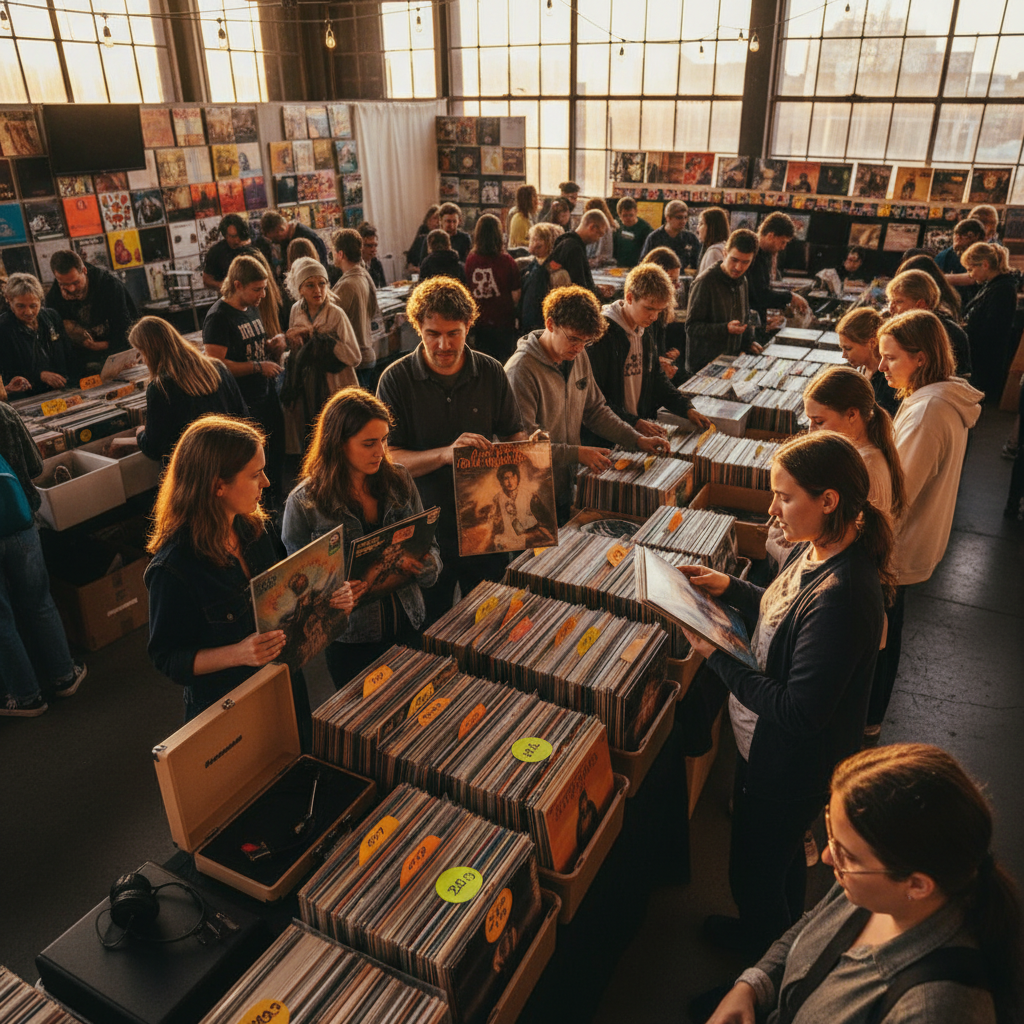
Understanding buyer psychology helps close sales. The "three for $X" deal is a classic strategy that increases transaction size—customers who came for one record leave with three. Common formulas include "any three $10 records for $25" or "buy two, get the third half off." These bundle deals move inventory faster than individual sales and increase your average transaction value. Track what works at different fairs and adjust your approach accordingly. Some dealers report that bundle deals account for 40-50% of their total sales volume at busy events.
Negotiation etiquette varies by region and customer type. Serious collectors often make reasonable offers based on market knowledge, and these negotiations should be respectful exchanges. However, lowball offers (50% or less of asking price) require diplomatic handling. A simple "I'm pretty firm on that one, but I could do $X" maintains goodwill while protecting your interests. Never take offense at offers—some buyers negotiate on everything as a matter of principle. The phrase "meet me in the middle" resolves most negotiations quickly and fairly.
Dynamic pricing throughout the day can maximize revenue. Some dealers maintain firm prices during peak morning hours (typically 10am-1pm when serious collectors arrive early) and become more flexible in the final 1-2 hours as they prefer selling to packing. Others offer "last hour specials" like "fill a bag for $20" to move remaining inventory. However, avoid appearing desperate—dramatic price drops can actually slow sales as buyers wonder what's wrong with the records.
Essential Record Fair Tips: Logistics and Best Practices
Successful record fair participation requires attention to logistical details that novice vendors often overlook. First, understand the fee structure and what's included. Vendor fees typically range from $50 for small local fairs to $300+ for premium spots at major events. Some fairs charge per table ($60-$100), while others offer booth packages that include multiple tables and corner positions for better visibility. Early bird registration often provides discounts of 10-20%, so monitor fair announcements and register promptly. Many popular fairs sell out vendor spots weeks or months in advance.
Transportation and setup logistics demand careful planning. Records are heavy—a milk crate of 75 LPs weighs approximately 35-40 pounds. Calculate total weight before loading your vehicle, and use a dolly or hand truck to move inventory from parking to your booth. Arrive during the designated setup window (usually 1-2 hours before doors open to the public) to claim your space and arrange your booth without rushing. Experienced dealers create a setup checklist that includes: inventory crates, table coverings, price stickers/markers, cash box with change, business cards, tape, scissors, plastic bags, and personal items (water, snacks, phone charger).
Security concerns are legitimate, especially at larger fairs with hundreds of attendees. Never leave your booth unattended during selling hours—coordinate with neighboring vendors to watch each other's booths during bathroom breaks. Keep your cash box concealed and make regular deposits to a secure location (locked vehicle or fair office if available) when accumulating large amounts. At the end of the day, pack valuable inventory first and maintain awareness of your surroundings when loading your vehicle.
Building relationships with other vendors creates opportunities beyond single-day sales. Many dealers trade records with each other, share market intelligence about upcoming collections, and recommend each other to customers seeking specific items. The vinyl community thrives on these connections, and regular fair participation establishes your reputation. Some dealers report that wholesale purchases from other vendors account for 20-30% of their inventory acquisition, often at better prices than they could find online.
Maximizing Profitability: Advanced Selling Techniques
Experienced record fair vendors employ sophisticated techniques to maximize profitability beyond basic buying and selling. Loss leaders—premium records priced at or below market value—draw collectors to your booth where they discover other items. For example, pricing a sought-after jazz record at $40 when it typically sells for $50-$55 creates buzz and brings serious buyers who often purchase multiple items. The slight loss on one record generates profits through additional sales.
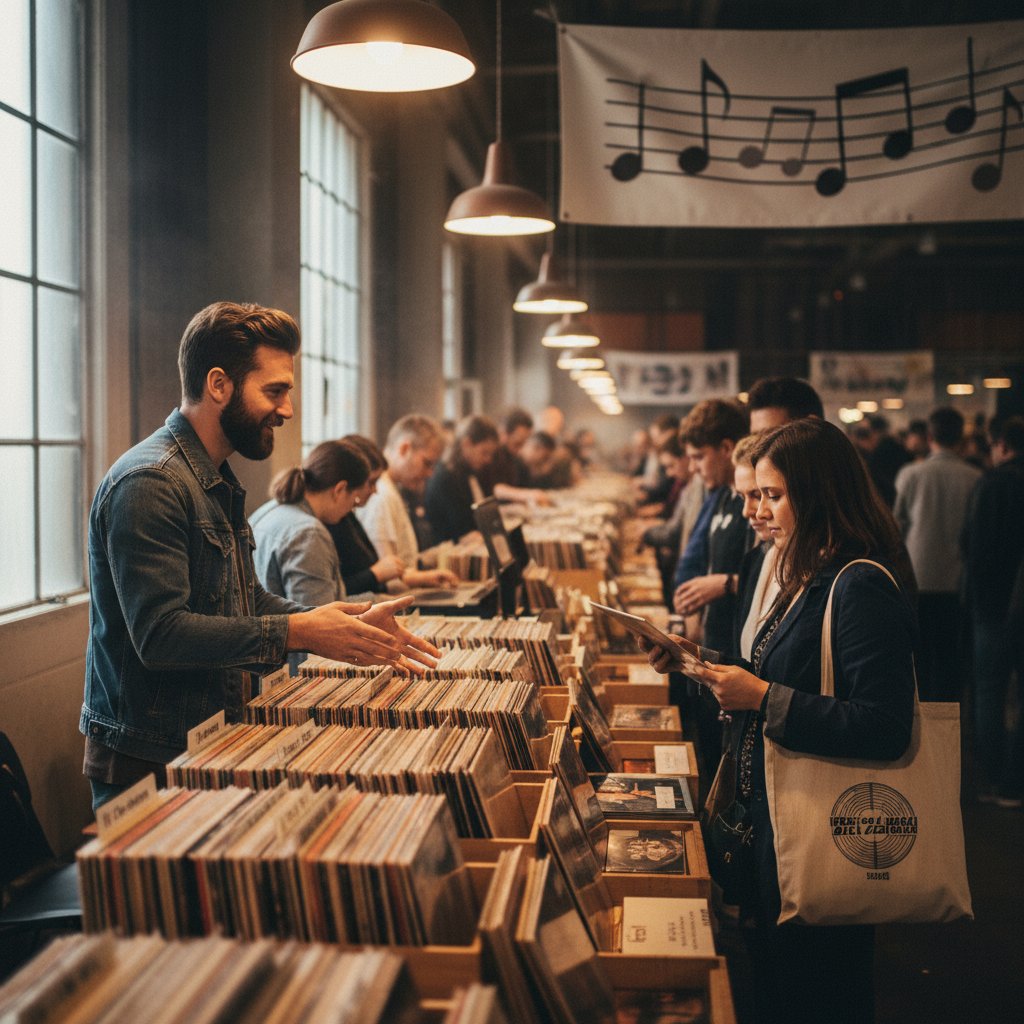
Understanding market timing and trends significantly impacts what you bring to each fair. Monitor online vinyl communities, auction results, and recent reissue announcements. When a major artist dies or achieves renewed popularity through media coverage, related records spike in value and demand. Similarly, awareness of upcoming events like Record Store Day 2026 helps you stock complementary inventory—collectors preparing for RSD often seek related titles at fairs. Genre trends shift seasonally too: Christmas records sell well at November/December fairs, while summer events see increased interest in reggae, surf, and beach-themed music.
Offering complementary products diversifies revenue streams. Some vendors supplement record sales with related items: vintage concert posters ($10-$50), turntable accessories like cleaning supplies and replacement styli ($5-$30), or music books and magazines ($3-$15). These add-ons require minimal space but appeal to vinyl enthusiasts and increase average transaction values. However, maintain focus—your primary offering should remain records, with accessories serving as convenient extras rather than competing for attention.
Data tracking transforms casual selling into a professional operation. Maintain a simple spreadsheet recording each fair's date, location, vendor fee, inventory brought, items sold, gross revenue, and net profit. Over time, patterns emerge showing which fairs deliver the best returns, which genres move fastest at specific events, and how pricing strategies affect sell-through rates. Successful dealers analyze this data to optimize future fair selection and inventory allocation, treating each event as a learning opportunity to refine their approach.
Genre-Specific Strategies and Market Segments
Different musical genres require distinct approaches when selling at record fairs, as each attracts specific buyer demographics with varying price sensitivities and condition expectations. Classic rock remains the highest-volume category at most fairs, but competition is intense and margins are often thin. Focus on first pressings, original labels (Capitol rainbow labels, Atlantic plum labels), and exceptional condition to differentiate from the dozens of other vendors selling Beatles and Stones records. Price common titles aggressively to move them—a VG+ copy of "Dark Side of the Moon" priced at $8 sells faster than one priced at $15, even though both are below market value.
Jazz and soul collectors represent a more specialized market willing to pay premium prices for original pressings in excellent condition. Blue Note records with original labels (especially RVG stamps), Prestige yellow labels, and Impulse! orange/black labels command $40-$150+ depending on title and condition. These buyers scrutinize condition meticulously, so only bring jazz records graded VG+ or better. Knowledge matters in this segment—being able to discuss pressing variations, engineer credits (Rudy Van Gelder), and recording dates builds credibility and justifies higher prices.
The punk, post-punk, and indie rock segment attracts younger collectors (typically 25-40 years old) seeking original pressings from the 1970s-1990s. First pressings of Ramones, Dead Kennedys, Sonic Youth, and early Sub Pop releases (Nirvana, Mudhoney) sell consistently at $20-$60. This demographic often overlooks condition issues that would concern jazz collectors, prioritizing originality and rarity over pristine condition. Original inserts, posters, and lyric sheets significantly increase value—a Sex Pistols "Never Mind the Bollocks" with original poster might sell for $80 versus $35 without.
Understanding format variations also matters. Some collectors specifically seek different record formats like 12-inch singles, EPs, and 7-inch 45s. Electronic music and hip-hop collectors often prefer 12-inch singles for DJ use, paying $8-$20 for clean copies of classic tracks. Bringing diverse formats appeals to different buyer segments and differentiates your booth from vendors selling only standard LPs.
Building Long-Term Success: From Casual Seller to Professional Dealer
Transitioning from occasional record fair selling to professional dealing requires strategic planning and business discipline. Successful full-time dealers typically participate in 2-4 fairs monthly, supplementing fair sales with online selling through Discogs, eBay, or their own websites. This multi-channel approach provides steady income between events and helps move slower-selling inventory that doesn't fit the fair environment. Many dealers report that 60-70% of revenue comes from fairs, with online sales providing consistent baseline income.
Inventory acquisition becomes the primary challenge for professional dealers. Sources include estate sales, thrift stores, Craigslist and Facebook Marketplace purchases, and buying collections directly from individuals looking to downsize. Developing a reputation as a fair, honest buyer leads to people contacting you directly with collections, often at better prices than competitive bidding situations. Some dealers specialize in particular genres or eras, becoming known experts who collectors trust for both buying and selling. This specialization allows deeper knowledge and better pricing decisions.
Legal and tax considerations accompany professional dealing. Most jurisdictions require business licenses for regular commercial activity, and sales tax collection may be mandatory depending on location and sales volume. Maintaining accurate records of purchases, sales, and expenses is essential for tax reporting and business analysis. Some dealers operate as sole proprietors, while others form LLCs for liability protection. Consulting with an accountant familiar with collectibles businesses helps navigate these requirements and maximize legitimate deductions for fair fees, transportation, and inventory purchases.
Community engagement builds long-term success beyond immediate sales. Participating in vinyl-related events like Record Store Day Black Friday, contributing to online forums, and maintaining social media presence keeps you connected to the collector community. Some dealers host listening parties, sponsor local music events, or write blogs about vinyl collecting. These activities establish you as a community member rather than just a seller, creating goodwill that translates to customer loyalty. Regular customers who seek you out at every fair provide stable revenue and often bring friends, expanding your customer base organically.
Continuous learning separates successful dealers from those who struggle. The vinyl market evolves constantly with new reissues affecting original pressing values, emerging artists gaining collector interest, and format trends shifting (colored vinyl, audiophile pressings, box sets). Subscribing to resources like vinyl subscription clubs exposes you to current releases and trends. Reading industry publications like Goldmine Magazine, monitoring auction results on Heritage Auctions and Popsike, and networking with other dealers provides market intelligence that informs buying and pricing decisions. The most successful dealers view themselves as students of the vinyl market, always learning and adapting to changing conditions.