
What Is Record Store Day and Why Does It Matter?
Record Store Day began in 2008 as a grassroots initiative to celebrate independent record stores and the unique culture they foster within local communities. Conceived by Chris Brown, owner of Bull Moose Music in Maine, alongside a coalition of independent retailers and music industry professionals, RSD has transformed from a modest promotional event into a global phenomenon spanning over 1,400 participating stores across North America, Europe, and beyond. The event generates an estimated $50-80 million in sales annually, with some stores reporting that RSD weekend accounts for 15-20% of their entire year's revenue.
What distinguishes Record Store Day from typical retail promotions is its exclusive release model: record labels press limited quantities of special editions, colored vinyl variants, live recordings, and previously unreleased material available only at participating independent stores on RSD. These aren't available through Amazon, Target, or online retailers on the day of release—you must physically visit a participating shop. Major artists from Taylor Swift to Pearl Jam, The Rolling Stones to Billie Eilish have participated, creating highly collectible releases that often appreciate significantly in value. According to Discogs data, certain RSD releases have sold for 500-1000% above their original retail price within months of release, making Record Store Day both a cultural celebration and a significant opportunity for collectors.
Record Store Day 2026: Key Dates and Planning Timeline
For RSD 2026, the main event is scheduled for Saturday, April 18, 2026, following the traditional third-Saturday-of-April format. The official Record Store Day list of releases typically becomes available 4-6 weeks before the event (expect early-to-mid March 2026), allowing collectors time to research, prioritize, and plan their strategies. Participating stores usually announce their opening times and specific policies 1-2 weeks in advance, with many opening earlier than usual—some as early as 7:00 AM or 8:00 AM compared to typical 10:00 AM or 11:00 AM weekend hours.
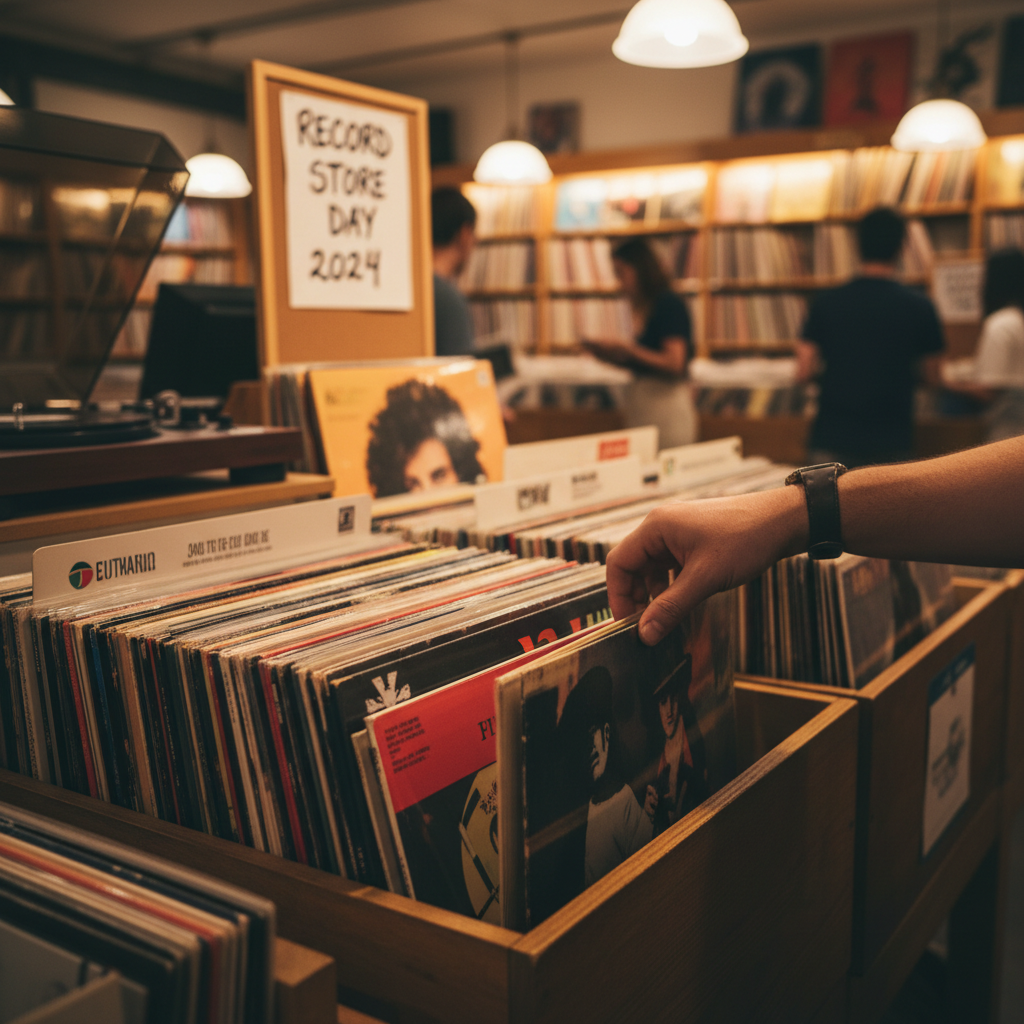
Beyond the April event, Record Store Day Black Friday occurs annually on the Friday after Thanksgiving (November 27, 2026), featuring an additional 100-150 exclusive releases. Some collectors actually prefer the Black Friday event due to smaller crowds and more relaxed atmospheres, though the release list is typically less extensive. Planning your RSD 2026 experience should begin in early March: bookmark RecordStoreDay.com for the official release list, identify your local participating stores (the website includes a comprehensive store locator), and join store mailing lists or follow their social media accounts for specific policies regarding line formation, purchase limits, and special events. Many stores host live performances, DJ sets, and vendor tables, transforming RSD into an all-day community celebration rather than just a shopping opportunity.
Understanding Record Store Day Releases and Exclusivity Tiers
Not all Record Store Day releases are created equal—the event features three distinct categories that determine availability and collectibility. RSD Exclusive releases are pressed in limited quantities specifically for Record Store Day and will never be repressed in that format, making them the most sought-after category. These typically range from 1,000 to 7,500 copies worldwide, with highly anticipated titles from major artists often limited to 3,000-5,000 copies. RSD First releases debut on Record Store Day but may receive wider distribution 3-6 months later, offering collectors early access but less long-term exclusivity. Finally, Small Run/Regional releases are limited pressings that may be exclusive to specific regions or available in very small quantities (sometimes as few as 500 copies).
Understanding these distinctions is crucial for prioritization. For example, the 2023 RSD release of Taylor Swift's "Speak Now (Taylor's Version)" was an RSD First pressing on lavender vinyl limited to 15,000 copies—it sold out within hours at most stores and subsequently commanded $80-150 on the secondary market despite its relatively large pressing quantity. Conversely, truly limited RSD Exclusive releases like the 2022 Talking Heads "The Name of This Band Is Talking Heads" (5,000 copies) reached $200+ within weeks. The official Record Store Day list specifies the category, pressing quantity, and format details for each release, allowing informed collectors to assess rarity and potential value. Tools like VinylAI can help you track which releases you're targeting and scan barcodes at the store to verify you're getting authentic RSD pressings rather than standard editions.
Strategic Planning: How to Maximize Your Record Store Day Success
Successful Record Store Day participation requires strategic planning comparable to concert ticket drops or sneaker releases. First, research the complete release list as soon as it's published, typically 4-6 weeks before the event. Create a prioritized wishlist of your top 10 releases, then narrow it to your absolute top 3-5 must-haves—these are the titles you'll pursue first. Cross-reference pressing quantities: releases limited to under 3,000 copies will be significantly harder to find than those pressed in 10,000+ quantities. Check Discogs to understand typical pricing for similar releases from the same artist to gauge potential value.
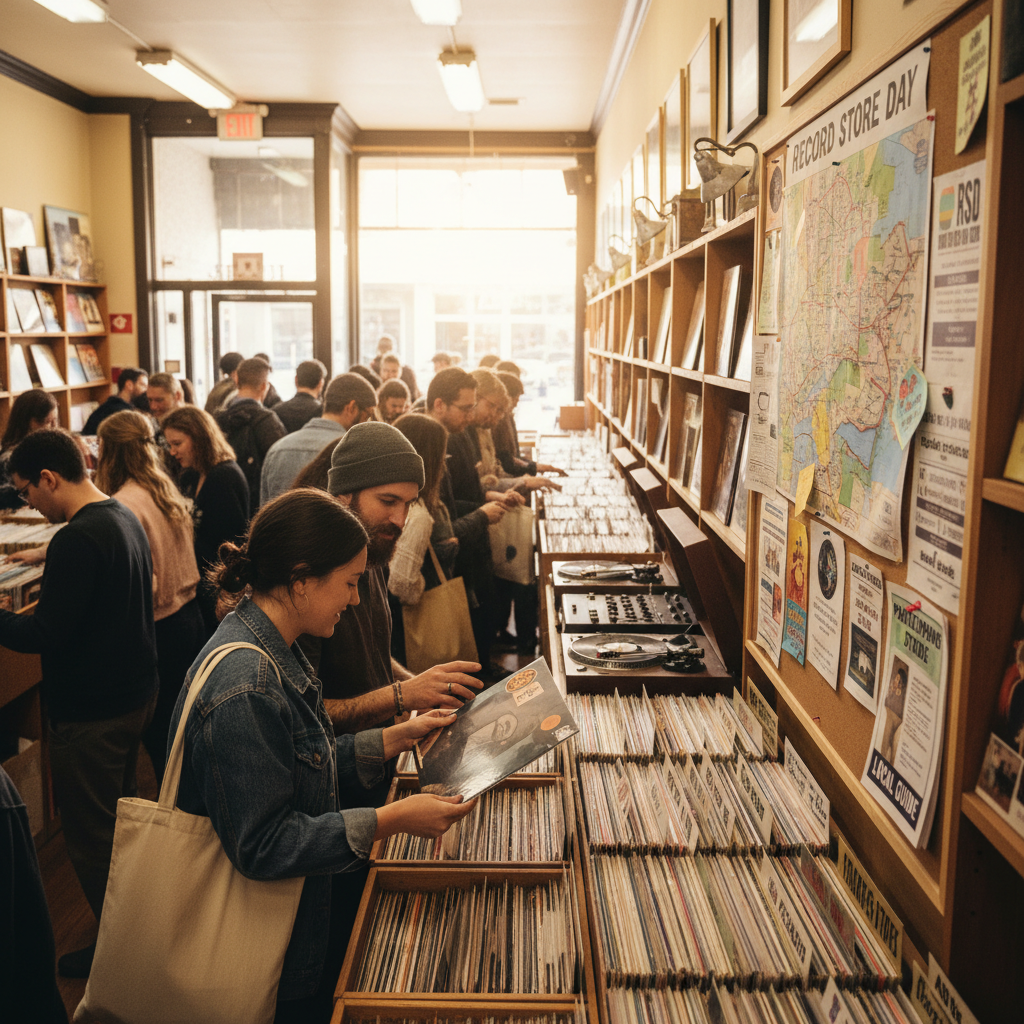
Second, scout your local stores and understand their specific RSD policies. Some stores implement numbered wristband systems where you receive a queue position upon arrival, while others maintain traditional first-come-first-served lines. Purchase limits vary widely—some stores limit customers to one copy per title, while others allow 2-3 copies, and some implement point systems where highly sought-after releases "cost" more points from your allocation. Call ahead or check store websites for these details. Third, plan your arrival time strategically. For major metropolitan stores in cities like New York, Los Angeles, or Chicago, dedicated collectors often arrive 3-4 hours before opening for the most anticipated releases. Smaller suburban or rural stores may have manageable lines forming just 30-60 minutes before opening. Consider visiting multiple stores if feasible—checking out the record fairs calendar can also help you discover additional vinyl events throughout the year where you might find RSD releases that didn't sell out.
Record Store Day Release Categories: A Detailed Breakdown
To better understand what you're hunting for on RSD, here's a comprehensive breakdown of typical release categories and their characteristics:
| Release Type | Typical Quantity | Price Range | Collectibility |
|---|---|---|---|
| Major Artist Exclusive | 3,000-7,500 | $25-$45 | Very High - often 200-500% appreciation |
| Indie/Alternative Exclusive | 2,000-5,000 | $20-$35 | High - strong secondary market |
| Reissue/Remaster | 5,000-10,000 | $30-$50 | Moderate - depends on original rarity |
| Live Recording/Bootleg | 1,500-4,000 | $28-$40 | High - unique content drives value |
| Compilation/Tribute | 3,000-8,000 | $25-$38 | Moderate - artist-dependent |
| Picture Disc/Shaped Vinyl | 2,000-6,000 | $30-$55 | Variable - novelty vs. audio quality trade-off |
These categories help frame expectations. Major artist exclusives from established acts (think Beatles, Prince, David Bowie estates) generate the most intense competition and typically appreciate most reliably. Live recordings and previously unreleased material offer unique content unavailable elsewhere, making them particularly valuable to completist collectors. Picture discs and colored vinyl variants appeal to display collectors but audiophiles often avoid them due to potential sound quality compromises. Understanding these dynamics helps you make informed decisions when you're standing in line deciding which releases to pursue with your limited time and budget—most collectors spend $100-300 on RSD, targeting 4-8 releases depending on pricing.
Finding Participating Stores and Local RSD Communities
Locating participating Record Store Day retailers is straightforward using the official store locator at RecordStoreDay.com, which lists over 1,400 independent shops across the United States, Canada, Europe, and other participating regions. However, not all participating stores are equal in their RSD experience. Larger, established stores in major metropolitan areas like Amoeba Music (Los Angeles, San Francisco), Rough Trade (NYC, Brooklyn), Reckless Records (Chicago), and Criminal Records (Atlanta) typically receive larger allocations of each release, meaning better chances of finding your targets—but also much larger crowds and longer waits.
Smaller neighborhood stores often provide more intimate, community-focused experiences with shorter lines, personalized service, and opportunities to discover releases you hadn't considered. Many collectors develop relationships with their local shops year-round, becoming regular customers whose loyalty is rewarded with tips about incoming stock or even informal "holds" for regular patrons. Building these relationships transforms Record Store Day from a transactional shopping event into genuine community participation. Beyond individual stores, many cities host RSD crawls or pub-style tours where collectors visit multiple participating shops throughout the day, often with shuttle services or organized routes. Facebook groups, Reddit communities (r/vinyl has dedicated RSD megathreads), and local collector groups provide valuable intel about store policies, expected stock levels, and real-time updates on what's still available as the day progresses. If you're just beginning your collecting journey, checking out guides on how to start a vinyl collection can provide foundational knowledge that enhances your RSD experience.
Day-Of Strategies: Navigating Record Store Day Like a Pro
When Record Store Day arrives, execution matters as much as planning. Arrive early—how early depends on your location and targets, but 2-3 hours before opening is standard for competitive markets. Dress comfortably for potentially extended outdoor waiting (April weather varies widely), bring water and snacks, and consider a folding chair if the store allows line formation well in advance. Many stores provide coffee or donuts to waiting customers, fostering the community atmosphere that defines RSD. Once inside, move with purpose but don't run—most stores prohibit running for safety reasons and may eject violators.
Navigate directly to your top-priority releases first, using the store's organizational system (most arrange RSD releases alphabetically by artist in dedicated sections separate from regular stock). Grab your must-haves immediately, then browse for secondary targets. Be prepared for disappointment—popular releases sell out in minutes, and even arriving early doesn't guarantee availability. If your top choice is gone, pivot quickly to alternatives rather than dwelling on what you missed. Many collectors bring the official RSD list on their phones, checking off found items and adjusting priorities in real-time. Inspect condition before purchasing—in the rush, stores sometimes shelve items with corner dings, seam splits, or other damage. Applying vinyl grading standards even in the RSD chaos ensures you're getting the quality you're paying for. Finally, respect purchase limits and store policies; trying to circumvent rules by having friends buy extra copies or returning to the back of the line damages the community spirit RSD celebrates and may get you banned from future events.
After Record Store Day: Secondary Markets, Trading, and Community Engagement
Record Store Day doesn't end when stores close—the secondary market activates immediately, with eBay, Discogs, and Reddit's r/VinylCollectors filling with RSD releases by Saturday evening. Prices vary wildly based on actual scarcity versus perceived demand. Some releases that seemed highly anticipated languish near retail prices, while sleeper titles nobody discussed suddenly command premiums as collectors discover their appeal. Waiting 2-4 weeks often yields better secondary market prices as initial FOMO subsides and sellers compete for buyers, though truly limited releases (under 2,000 copies) typically maintain or increase value.
Trading communities offer alternatives to purchasing on the secondary market. Many collectors coordinate trades through social media groups, online forums, or even informal networks at local stores, exchanging RSD releases they found for ones they missed. This collaborative approach embodies the community spirit RSD promotes while avoiding inflated reseller prices. Some collectors even plan coordinated multi-city strategies where friends in different locations target different releases, then trade or ship to complete everyone's wishlists. Beyond individual collecting, Record Store Day has sparked year-round engagement with vinyl culture—many collectors discover new favorite stores, artists, or formats (like exploring the differences explained in LP vs EP vs single formats) through their RSD experiences. This sustained engagement benefits independent retailers throughout the year, fulfilling RSD's original mission of supporting brick-and-mortar music stores. Some collectors even transition from buying to selling, eventually learning how to sell at record fairs as their collections grow and evolve, creating a vibrant ecosystem of exchange and discovery.