
Understanding What Makes Vinyl Records Valuable
The value of rare vinyl records depends on a complex interplay of factors that go far beyond simple age or artist popularity. Rarity, condition, historical significance, and market demand all contribute to a record's worth, but the most valuable records typically combine multiple scarcity factors. For instance, a standard commercial pressing of a popular album might be worth $10-20, while a promotional white label test pressing of the same album could command $500-2,000, and a one-of-a-kind acetate could reach $10,000 or more. According to Discogs marketplace data from 2023, the average selling price for records in their "Most Expensive" category exceeds $15,000, with the top tier regularly breaking six figures.
Matrix numbers etched into the runout groove provide crucial identification details that separate valuable first pressings from worthless reissues. Tools like VinylAI can help you scan and identify specific pressings by barcode, but for the truly rare items, you'll need to examine physical characteristics. Misprints, withdrawn releases, and records with controversial artwork that was later changed represent particularly valuable categories. For example, The Beatles' "Yesterday and Today" with the original "butcher cover" sells for $10,000-25,000 in stereo (first state), while the standard replacement cover version fetches just $50-100. Understanding these distinctions is essential for anyone serious about identifying rare vinyl records in their collection or at estate sales.
The Beatles: Multiple Entries in the Top 100 Most Valuable Records
The Beatles dominate the upper echelons of valuable vinyl, with numerous entries in any top 100 list. Beyond Ringo's "White Album" #0000001, other Beatles rarities include the original mono "Please Please Me" UK first pressing with black and gold Parlophone labels (worth $4,000-8,000 in NM condition), the withdrawn "butcher cover" of "Yesterday and Today" ($10,000-25,000), and various acetates and test pressings that have sold for $20,000-100,000. The band's global popularity, relatively short recording career, and the numerous pressing variations across different countries create a perfect storm for collectibility.

Low-numbered copies of The Beatles' White Album consistently command premium prices, with numbers below 100 selling for $5,000-15,000, and single-digit numbers reaching $20,000-50,000. A copy numbered 0000005 sold for $25,000 in 2008, while #0000002 (owned by John Lennon) would likely exceed $1 million if it ever came to market. The key identification markers include the embossed number on the cover, first pressing matrix numbers (typically ending in -1 or -2), and the presence of the original poster and four photo inserts. According to Popsike auction archives, over 200 numbered White Albums have sold for more than $1,000 since 2000, making it one of the most actively traded expensive vinyl records in the collector market.
Blues and Rock 'n' Roll: The Foundation of Valuable Vinyl
Pre-war and early post-war blues 78s and their later vinyl reissues represent some of the most valuable vinyl records in existence, though many collectors focus on the 45 and LP formats. Original Sun Records 45s from the 1950s, particularly early Elvis Presley releases, command $2,000-10,000 for common titles and up to $25,000 for rarities like "That's All Right" with the pushed center. Blues legends like Robert Johnson, whose original 78s can reach $10,000-20,000, have extremely valuable LP compilations when pressed in the 1960s. The 1961 Columbia mono LP "King of the Delta Blues Singers" in Near Mint condition with original inner sleeve sells for $800-1,500, while promotional copies can double that figure.
Early rock 'n' roll rarities include Buddy Holly's self-titled 1958 album on Coral, worth $500-1,200 in stereo first pressing, and various rockabilly 45s on obscure labels that can reach $1,000-5,000. The key to valuing these records lies in understanding label variations, pressing plant codes, and promotional designations. For example, a white label promo of Chuck Berry's "After School Session" (1957) might sell for $600-1,000, while the standard commercial pressing brings $100-200. Goldmine Standard Catalog of American Records provides detailed pricing for thousands of these releases, but auction results on Popsike often show realized prices 20-50% higher than guide values for top-condition copies. The scarcity of these records in playable condition—many were literally played to death in jukeboxes and on home record players—makes high-grade examples increasingly valuable.
Jazz Rarities: Blue Note, Prestige, and Beyond
Jazz collectors pursue some of the most expensive vinyl records in the market, with original Blue Note first pressings from the 1950s and early 1960s regularly selling for $1,000-15,000. The holy grail items include original deep groove pressings with the West 63rd Street address on the label, particularly titles recorded in the early 1950s. John Coltrane's "Blue Train" (BLP 1577) in original mono pressing with deep grooves can fetch $3,000-8,000 in NM condition, while the stereo version (BST 81577) reaches $1,500-3,000. Thelonious Monk's "Genius of Modern Music Volume 1" (BLP 5002, 10-inch) has sold for over $5,000, and rare titles like "The Fabulous Fats Navarro Volume 1" (BLP 5004) can exceed $10,000.
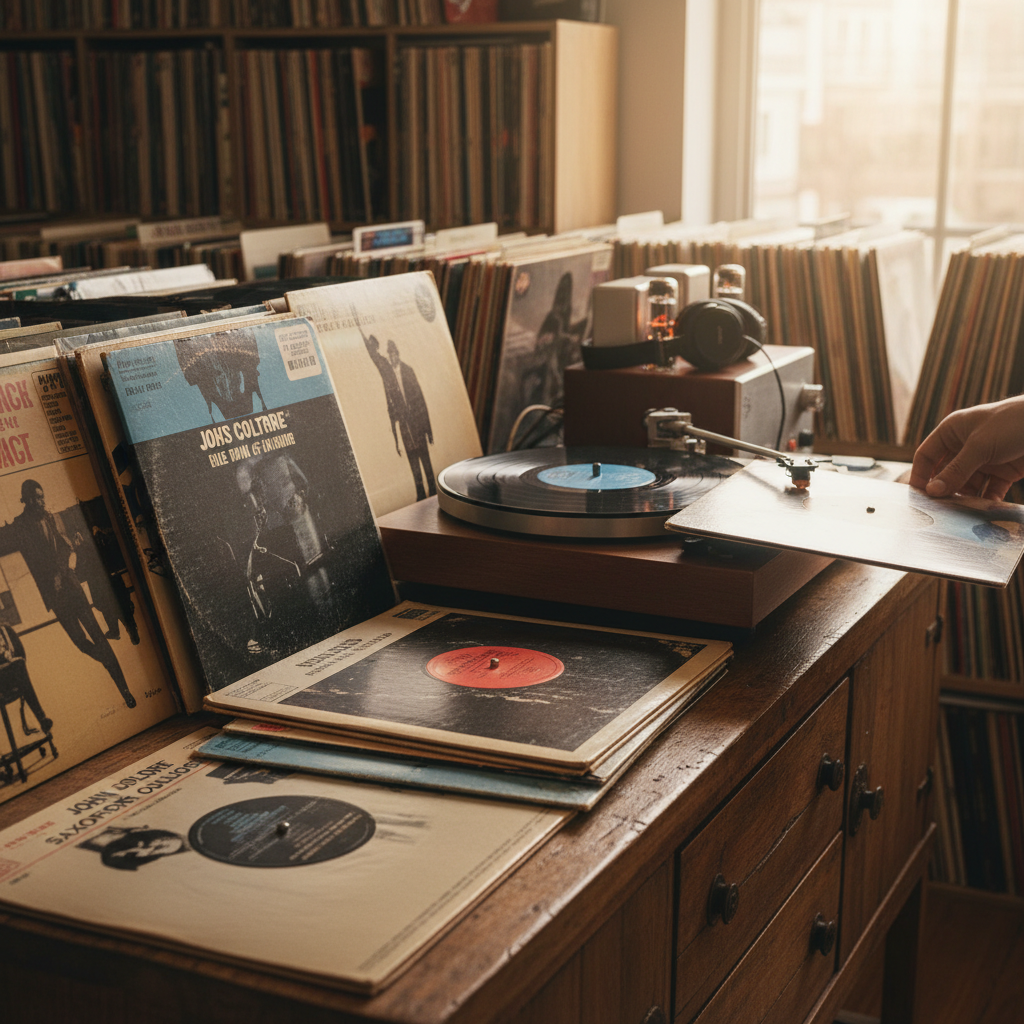
Prestige Records' yellow label first pressings from the 1950s also command serious money, with Miles Davis' "Cookin'" (PRLP 7094) worth $500-1,200 and rare titles like "Sonny Rollins and the Contemporary Leaders" reaching $2,000-4,000. The key identification factors include label color (yellow for early Prestige, blue label with W. 50th St. address for Blue Note), deep grooves on Blue Note releases, and the presence of original inner sleeves and ear markings. According to Discogs sales data, the average selling price for Blue Note records with the deep groove feature and first pressing characteristics exceeds $800, with condition being absolutely critical. A VG+ copy might sell for $300 while a NM copy of the same title reaches $2,000, underscoring the importance of understanding vinyl grading standards when buying or selling these jazz treasures.
Punk, New Wave, and Limited Indie Releases
The punk and new wave era produced numerous valuable records, particularly from independent labels with limited pressing runs. Sex Pistols' "God Save the Queen" on A&M Records, withdrawn after just one day and with only a handful of copies surviving, has sold for $10,000-20,000 when authenticated copies surface. The band's original acetates and test pressings command even higher prices, with a one-sided acetate of "Anarchy in the U.K." selling for over $10,000 in 2016. Other punk rarities include The Misfits' "Bullet" 7-inch (1978) worth $1,500-3,000, and various early releases on SST, Dischord, and Touch and Go labels that now sell for hundreds to thousands of dollars.
New wave and post-punk collectors seek out factory sample pressings and limited edition colored vinyl variants. Joy Division's "Unknown Pleasures" original UK Factory Records pressing (FACT 10) sells for $200-400 in NM condition, while test pressings can reach $1,000-2,000. The Smiths' "Hand in Glove" original 7-inch on Rough Trade (RT 131) commands $150-300, with misprints and test pressings multiplying that value. According to auction data from Popsike, colored vinyl variants and numbered limited editions from the late 1970s and early 1980s have appreciated 300-500% since 2010, making this era particularly attractive to investors. The challenge lies in authentication, as many punk and indie releases have been counterfeited. Original pressings typically have specific matrix numbers, label characteristics, and paper stock that differ from later reissues and boots.
Hip-Hop and Rap: The Emerging Market for Valuable Vinyl
Hip-hop vinyl has emerged as one of the fastest-growing segments of the valuable record market, with early releases from the 1980s and 1990s now commanding premium prices. Wu-Tang Clan's "Once Upon a Time in Shaolin," created as a single copy and sold for $2 million in 2015 (later purchased by PleasrDAO for $4 million in 2021), represents the most expensive hip-hop vinyl ever, though its unique status as a one-of-a-kind art piece makes it an outlier. More accessible rarities include original pressings of Run-DMC's self-titled debut (1984) worth $100-300, and early Def Jam releases like LL Cool J's "Radio" (1985) fetching $80-200 in NM condition with original shrink wrap.

Limited edition pressings and promotional items drive the high-end hip-hop market. Dr. Dre's "The Chronic" original 1992 Death Row/Interscope pressing sells for $150-400, while test pressings and white label promos can reach $500-1,000. MF DOOM's various limited releases, particularly on Stones Throw Records, have appreciated dramatically since his death in 2020, with some colored vinyl variants increasing 400-600% in value. According to Discogs marketplace trends, hip-hop vinyl prices increased an average of 35% between 2020 and 2023, outpacing most other genres. The key factors include original pressings versus reissues, promotional white labels, and limited colored vinyl variants. Understanding the difference between LPs, EPs, and singles is particularly important in hip-hop collecting, as many valuable releases came out as 12-inch singles rather than full albums.
Identification and Authentication: Spotting Valuable Records
Identifying truly valuable vinyl requires systematic examination of multiple physical characteristics. Start with the matrix numbers etched in the runout groove (the blank area between the last track and the label)—these alphanumeric codes indicate pressing plant, mastering engineer, and pressing sequence. First pressings typically have matrix numbers ending in -1 or -1A, while later pressings show -2, -3, or higher. Label design and text provide crucial clues: color variations, address changes, and logo designs changed over time, allowing precise dating. For example, Columbia Records used six-eye labels from 1955-1962, two-eye labels from 1962-1968, and then switched to orange labels, with each era commanding different values.
Physical examination should include checking for original inner sleeves (often worth $20-100 on their own for rare releases), examining the quality of the vinyl itself (virgin vinyl versus recycled), and looking for promotional markings like "Not for Sale" stamps or white labels. Weight can indicate quality—most modern reissues are pressed on 180g vinyl, while vintage records typically weighed 120-140g, giving them a different feel. A jeweler's loupe or magnifying glass helps examine label printing quality and detect counterfeits, which often show dot patterns from photocopying rather than clean printing. Discogs' database contains detailed information on matrix numbers and pressing variations for hundreds of thousands of releases, making it an essential research tool. Authentication services like Vinyl Authentication Service (VAS) charge $50-200 to verify high-value records, potentially essential for items worth over $1,000 where counterfeits circulate.
Here's a quick reference guide for identifying valuable pressing characteristics:
| Feature | Valuable Indicator | Less Valuable Indicator |
|---|---|---|
| Matrix Numbers | Ends in -1 or -1A, hand-etched | Ends in -3 or higher, machine stamped |
| Label Design | Original era-appropriate design | Modern reissue label style |
| Inner Sleeve | Original company sleeve with period-correct design | Generic white or modern replacement |
| Vinyl Weight | 120-140g (vintage standard) | 180g (modern reissue) |
| Promotional Marks | White label, "Promo" stamp, gold stamp | Standard commercial release |
Building and Managing a Valuable Vinyl Collection
For those interested in starting a vinyl collection focused on value and investment potential, a strategic approach yields better results than random accumulation. Focus on specific genres, artists, or labels where you can develop expertise—trying to collect everything valuable spreads resources too thin and makes authentication difficult. Many successful collectors specialize in areas like Blue Note jazz, original punk pressings, or regional soul labels, becoming experts who can spot undervalued items others miss. Setting a budget and sticking to it prevents overpaying in the heat of auction excitement, though sometimes paying 10-20% over guide value for a truly rare item in exceptional condition proves wise.
Proper storage and handling preserve value—records should be stored vertically, never stacked flat, in a climate-controlled environment away from direct sunlight and heat sources. Outer plastic sleeves (2-3 mil polyethylene or polypropylene) protect covers from wear, ring wear, and corner damage that can reduce value by 20-50%. Inner sleeves should be archival quality (MoFi-style rice paper or polyethylene-lined paper) to prevent vinyl scratches. Clean records using proper methods (carbon fiber brushes for dry cleaning, vacuum record cleaning machines for deep cleaning) rather than harsh chemicals or tap water that can damage grooves. A record in M (Mint) condition can be worth 2-5 times more than the same record in VG+ (Very Good Plus) condition, making preservation critical for maintaining and increasing value.
Documentation and provenance add value, especially for high-end items. Keep purchase receipts, authentication certificates, and any historical documentation about previous ownership. Records owned by famous musicians or industry figures command premiums—a standard pressing owned by an ordinary collector might be worth $100, while the same record provably owned by a band member could reach $1,000-10,000. Insurance becomes essential once your collection exceeds $5,000-10,000 in value, with specialized collectibles insurance (available from companies like Collectibles Insurance Services) offering better coverage than standard homeowners policies. Regular inventory updates using apps like VinylAI help track values and identify appreciation trends, while also providing documentation for insurance claims if needed.