
What Qualifies as Cheap Vinyl Records in Today's Market
The definition of "cheap" vinyl records has evolved significantly as the format has resurged in popularity. In 2024, new vinyl releases typically retail for $25-35, with audiophile pressings reaching $40-60. Against this backdrop, cheap vinyl records are generally those priced under $10, with the sweet spot being $1-5 for used records and $10-15 for budget new releases. According to Discogs marketplace data from 2023, the median sale price for used vinyl across all genres is approximately $8.50, while records in the $1-3 range represent roughly 35% of all transactions on the platform.
Understanding what makes a record "cheap" requires distinguishing between low-priced records and low-value records. A $2 thrift store copy of Fleetwood Mac's "Rumours" or Pink Floyd's "Dark Side of the Moon" might be inexpensive, but these albums were pressed in such massive quantities (25+ million copies for "Rumours" alone) that they hold minimal collector value despite their musical quality. Conversely, a $5 record by a lesser-known artist could represent significant value if it's a scarce pressing or cult favorite. Tools like VinylAI can help you scan barcodes and check real-time market values to distinguish between genuinely cheap finds and underpriced treasures that deserve a spot in your collection.
Where to Find the Cheapest Vinyl Records for Sale
Thrift stores remain the undisputed champions for finding cheap vinyl records, with national chains like Goodwill, Salvation Army, and Savers typically pricing all records uniformly at $0.99-$2.99 regardless of artist, condition, or actual market value. These stores receive constant donations from estate cleanouts and downsizing households, creating a steady supply of records from the 1960s-1990s. The key to thrift store success is frequency—visiting 2-3 times weekly increases your odds of finding fresh inventory before other collectors. Geographic location matters significantly; thrift stores in affluent suburban areas or college towns tend to receive higher-quality donations than those in rural areas.
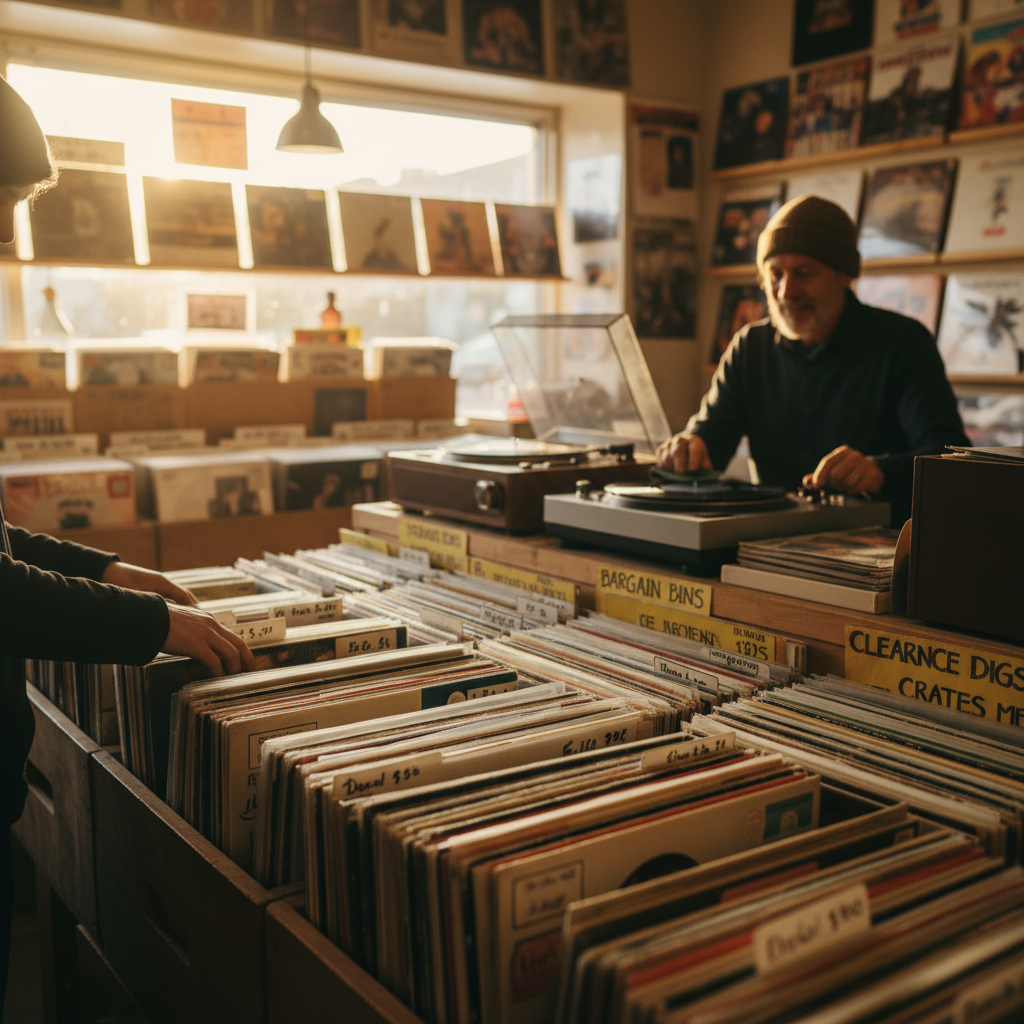
Estate sales and garage sales offer similarly low prices, typically $1-3 per record, with the added advantage of bulk purchasing opportunities. Sellers at estate sales are usually motivated to clear entire collections quickly, making them receptive to offers like "$50 for the whole box" which can yield 50-100 records at $0.50-$1.00 each. Online estate sale platforms like EstateSales.net allow you to preview upcoming sales and identify those listing record collections in advance. Flea markets and swap meets also provide cheap options, though prices tend to be slightly higher ($3-8) as sellers are more aware of values and specifically targeting collectors.
For those wondering about online vinyl shopping, several platforms specialize in budget-friendly options. Discogs sellers frequently offer dollar bin sections with records priced at $1-5 plus shipping, and many provide bulk discounts. eBay lot auctions can yield 10-50 records for $20-75 ($0.50-$5 per record), though quality varies wildly. Amazon Warehouse Deals occasionally lists damaged-packaging vinyl at 20-40% off retail, while sites like DeepDiscount.com and ImportCDs regularly run sales with records at $10-15.
The Best Genres and Eras for Budget Vinyl Hunting
Not all genres and time periods are created equal when hunting for cheap vinyl records. Classical music represents perhaps the greatest value proposition in vinyl collecting, with thousands of exceptional recordings from the 1960s-1980s available for $1-5. Labels like Deutsche Grammophon, RCA Red Seal, and Columbia Masterworks pressed millions of classical records during vinyl's golden age, and these albums often feature world-class performances in excellent sound quality. A $2 copy of Herbert von Karajan conducting Beethoven symphonies offers sonic quality that rivals modern streaming and provides genuine musical value regardless of collector demand.
Jazz records from the 1970s-1980s similarly offer tremendous bang for your buck, particularly on labels like CTI, Pablo, and Concord Jazz. While Blue Note and Prestige records from the 1950s-1960s command premium prices ($50-500+), later jazz pressings routinely sell for $3-10 and include performances by legends like Oscar Peterson, Bill Evans, and Chet Baker. Easy listening, lounge, and exotica records from artists like Herb Alpert, Mantovani, and Martin Denny flood thrift store bins at $1-2 and have developed cult followings among collectors who appreciate their kitsch value and surprisingly high-quality production.
Rock and pop records from the 1970s-1980s present a mixed bag for budget hunters. Mega-sellers like Eagles' "Hotel California," Billy Joel's "The Stranger," and Michael Jackson's "Thriller" appear constantly at $1-3 due to their enormous original pressing runs. However, these common titles often show heavy wear from repeated play. Lesser-known album rock, soft rock, and AOR (album-oriented rock) titles from this era—artists like Supertramp, Foreigner, and REO Speedwagon—can be found in better condition for $2-5 because they were purchased by adults who took better care of their records.
How to Price Vinyl Records Using Discogs and Market Data
Understanding how to accurately price vinyl using Discogs is essential for identifying genuinely cheap records versus overpriced junk. Discogs maintains the world's largest vinyl database with over 14 million releases and tracks actual sale prices rather than asking prices. When evaluating a potential purchase, search for the specific pressing on Discogs—not just the album title, but the exact catalog number, pressing country, and year, as these variables dramatically affect value. A US pressing of a common album might be worth $5, while a UK first pressing of the same title could command $50+.
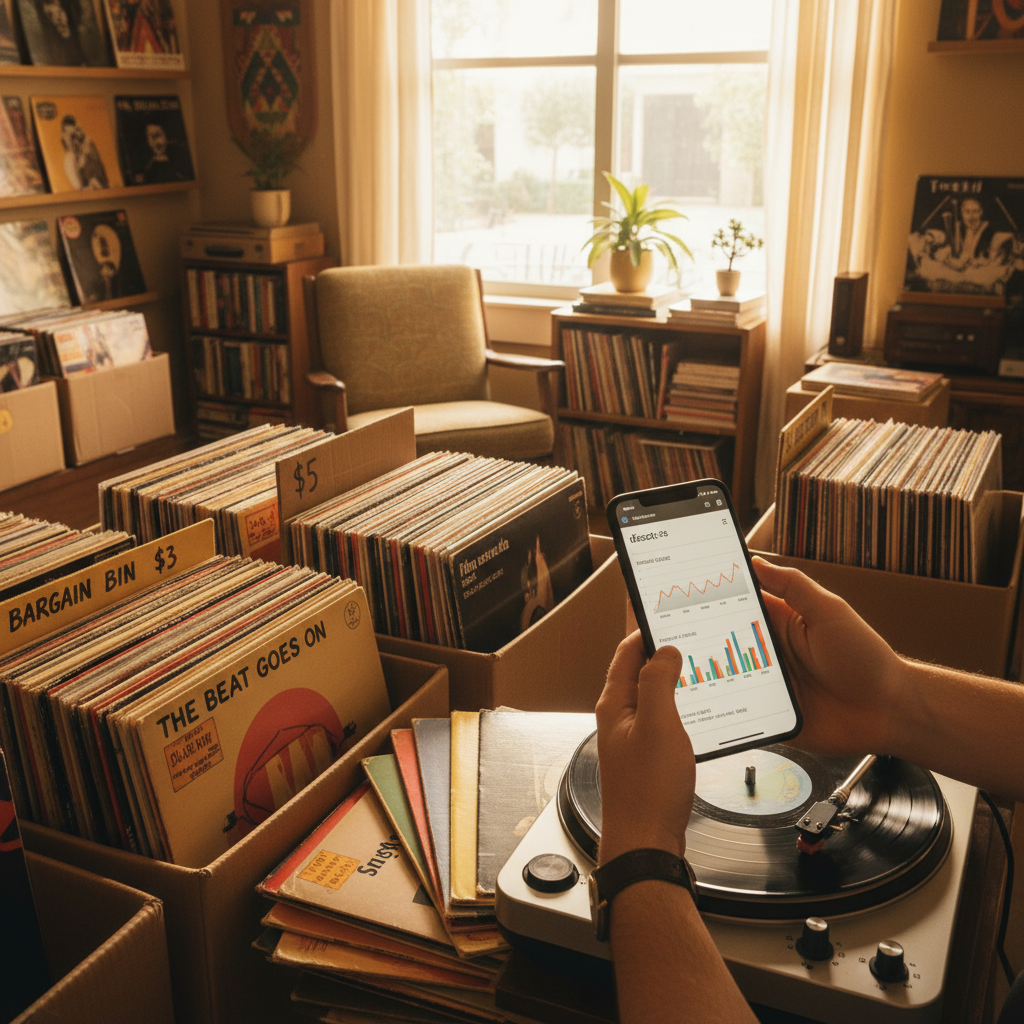
The Discogs "Statistics" tab shows the price range, median sale price, and number of sales over the past 12 months, providing crucial context. A record with a $15 median but a $3 asking price at a thrift store represents genuine value. However, examine the condition distribution—if all sales at $15 were for Near Mint copies and you're looking at a heavily worn VG- copy, the true value might be closer to $3-5. Popsike.com offers complementary data by tracking eBay auction results for rare and collectible records, though its database focuses more on higher-value items ($20+) rather than budget finds.
When buying cheap vinyl online, always factor shipping costs into value calculations. A $3 record with $5 shipping costs $8 total—potentially more than a $10 record with free shipping. Discogs sellers typically charge $4-6 for single LP shipping within the US, with incremental costs of $1-2 per additional record. This math favors bulk purchases; buying 5 records at $3 each ($15) with $6 shipping ($21 total, or $4.20 per record) beats buying them individually. Many sellers offer combined shipping discounts automatically, while others require you to request a revised invoice before payment.
Understanding Vinyl Grading and Condition for Budget Purchases
When buying cheap vinyl records, understanding vinyl grading standards becomes crucial because condition dramatically affects playability and enjoyment. The Goldmine Grading Standard, used by most serious collectors and sellers, ranges from Mint (M) to Poor (P), with Near Mint (NM), Very Good Plus (VG+), Very Good (VG), and Good (G) as the most common grades. For budget purchases, VG and VG+ represent the sweet spot—these records show visible signs of use but play without major issues. A VG record might have light surface marks, minor scuffs, and occasional light clicks or pops, but the music remains clearly audible and enjoyable.
The price differential between grades is substantial and predictable. On Discogs, a NM copy of a record typically sells for 2-3 times the price of a VG copy. For example, a common 1970s rock album might sell for $12 in NM condition, $6 in VG+, and $3 in VG. Budget hunters should target VG and VG+ copies of desirable titles rather than NM copies of mediocre albums. A VG+ copy of a classic album you'll actually enjoy beats a pristine copy of something you'll play once. However, avoid records graded Good (G) or below unless you're buying for the cover art or as a placeholder—these typically have significant surface noise, scratches, and playback issues that diminish listening enjoyment.
Visual inspection skills matter tremendously when buying in-person at thrift stores and sales where grading is rarely provided. Hold records at an angle under light to spot scratches—light hairline marks are normal for played records, but deep scratches that catch your fingernail indicate potential skipping. Check for warps by looking at the record edge-on from eye level; slight warps are common and often playable, but severe warps cause tracking issues. Inspect the label for water damage, mold spots, or writing, and examine the cover for seam splits, ring wear, and general condition. A $2 record with a trashed cover but clean vinyl offers better value than the reverse for most listeners.
Timing Your Purchases: When to Find the Best Vinyl Record Sales
Strategic timing can reduce your cost per record by 30-50% compared to random purchasing. The post-holiday period from January through February represents peak time for finding cheap vinyl records at thrift stores and estate sales. People receive new turntables as gifts during the holidays, prompting them to donate their old collections, or they clean out storage spaces as part of New Year's resolutions. Thrift stores receive 40-60% more donations in January-February according to industry reports, increasing your odds of finding quality additions to your collection before other collectors grab them.
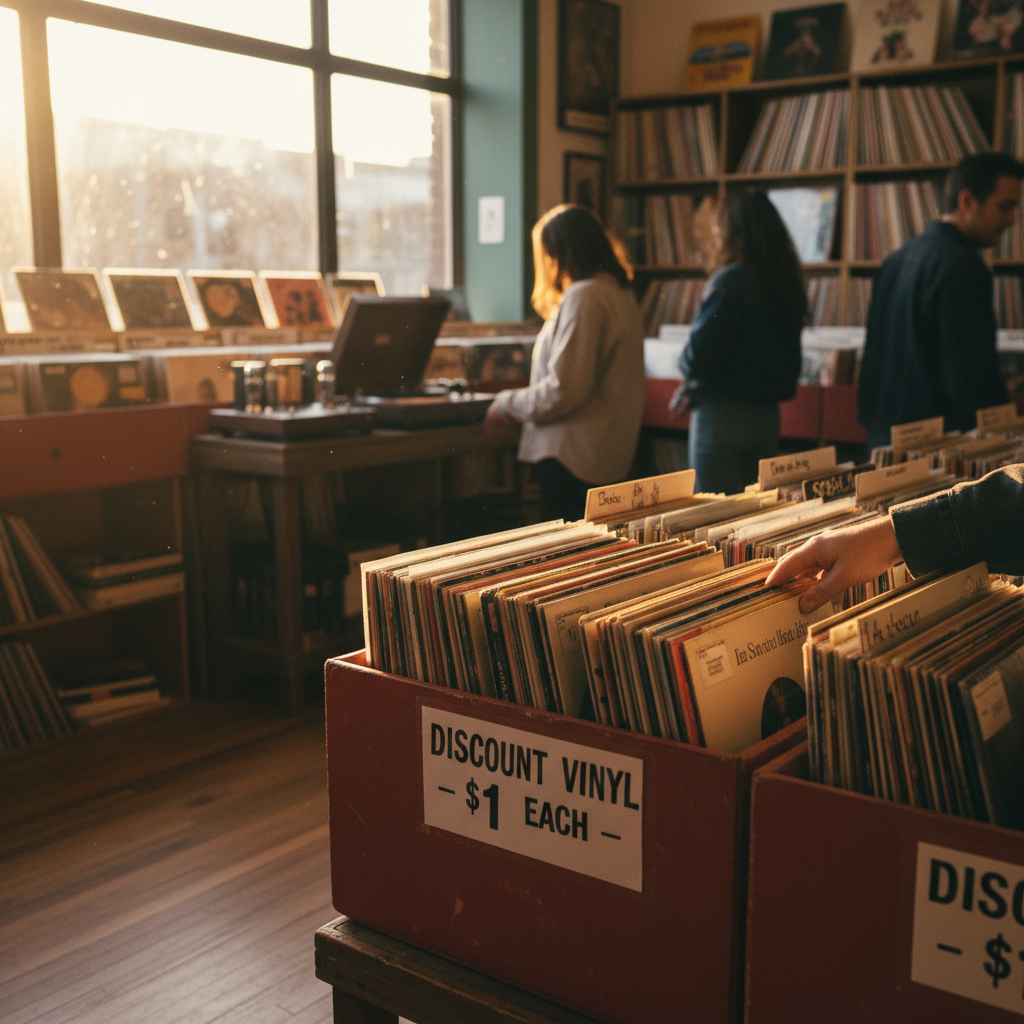
Record Store Day, held annually in April, creates unexpected opportunities for cheap vinyl hunting. While the event itself focuses on limited-edition releases at premium prices, many stores discount regular inventory by 15-25% to drive traffic. More importantly, the week following Record Store Day often sees leftover RSD releases marked down 30-50% as stores clear space and recoup investments. Black Friday (the day after Thanksgiving) has become vinyl's second-biggest sales day, with online retailers offering 20-50% discounts and many independent stores running similar promotions. Amazon typically discounts thousands of vinyl titles by 25-40% during Black Friday week, with records in the $10-15 range dropping to $6-10.
Online marketplaces follow predictable seasonal patterns worth exploiting. Discogs sellers frequently run year-end sales in December to reduce inventory before tax season, offering 10-25% discounts via coupon codes or sale sections. eBay's quarterly 15-20% site-wide coupon promotions (typically March, June, September, December) apply to vinyl purchases and can transform a $10 record into a $8-8.50 purchase. Summer months (June-August) see reduced collector activity as people travel and spend time outdoors, sometimes resulting in lower auction prices and more negotiable sellers willing to accept offers.
Comparing Marketplaces: Where Cheap Vinyl Records Offer the Best Value
Different marketplaces cater to different buyer priorities, and understanding these distinctions helps maximize value when hunting for cheap vinyl records. The following comparison shows typical price ranges and characteristics across major platforms:
| Marketplace | Price Range | Shipping Cost | Best For |
|---|---|---|---|
| Thrift Stores | $0.99-$2.99 | N/A (in-person) | Common titles, bulk hunting, treasure hunting |
| Discogs | $1-$50+ | $4-$6 first LP | Specific pressings, graded condition, rare finds |
| eBay Lots | $0.50-$5 per record | $8-$15 per lot | Bulk purchases, genre collections, wildcards |
| Amazon | $10-$30 | Free (Prime) | New releases, convenience, guaranteed returns |
| Record Store Dollar Bins | $1-$5 | N/A (in-person) | Curated common titles, better condition than thrift |
| Facebook Marketplace | $2-$10 | N/A (local pickup) | Local collections, negotiable prices, bulk deals |
Discogs excels for targeted hunting when you know exactly what you want—specific pressings, particular artists, or replacement copies of damaged records. The platform's seller rating system (98%+ positive feedback recommended) and buyer protection provide security, while the vast selection ensures you can find almost any release. However, shipping costs make single-record purchases less economical; aim for orders of 3-5+ records from the same seller to optimize shipping value. Many Discogs sellers operate physical stores and list thousands of items, making them ideal for building substantial want lists and requesting combined shipping quotes.
eBay lot auctions present higher risk but potentially massive rewards for budget collectors. Lots described as "estate find" or "collection cleanout" often include 20-100 records with minimal individual listing effort from sellers, creating opportunities for undervalued gems. However, expect 30-50% of lot contents to be common titles in mediocre condition. The gamble pays off when you find 5-10 keepers in a 50-record lot purchased for $40-60. Search terms like "vinyl lot," "record collection," and "LP lot" reveal these opportunities, with ending times on weekday afternoons (when fewer bidders are active) sometimes yielding better deals than weekend auctions.
Building a Quality Collection on a Budget: Strategic Approaches
Successfully collecting cheap vinyl records requires shifting from opportunistic buying to strategic acquisition. Rather than grabbing every $1 record you encounter, develop a focused collecting strategy around 2-3 genres or themes that genuinely interest you. This approach prevents accumulating hundreds of mediocre records you'll never play while ensuring each purchase contributes to a cohesive, personally meaningful collection. For example, focusing on 1970s jazz fusion, 1980s new wave, or classical piano concertos creates direction and helps you recognize valuable finds within your specialty areas.
The "upgrade path" strategy works brilliantly for budget collectors who want to eventually own premium pressings without immediate large investments. Start by purchasing cheap VG-condition copies of albums you love for $2-5, enjoying them while you save for better pressings. When you find or can afford a VG+ or NM copy, purchase it and sell your original copy for roughly what you paid, effectively upgrading for minimal net cost. This approach works particularly well for commonly available titles where patient hunting eventually yields better copies. Track your collection and upgrade targets using apps like VinylAI, which helps identify which records you own and in what condition, preventing duplicate purchases.
Bulk buying from fellow collectors downsizing their collections offers perhaps the best value in vinyl collecting. Facebook Marketplace, Craigslist, and local classified ads regularly feature "entire collection" listings where sellers want to move 100-500+ records at once. These scenarios create negotiating opportunities—offering $200-300 for a 300-record collection ($0.67-$1.00 per record) often succeeds when sellers want quick removal and minimal hassle. Even if only 30-40% interests you, the keepers cost $2-3 each after selling or trading the remainder. This strategy requires storage space and time to process the collection, but delivers unmatched cost-per-record value for patient collectors.
Understanding the difference between LPs, EPs, and singles also impacts budget collecting, as 7-inch singles and EPs often sell for $0.50-$2 at thrift stores despite sometimes containing rare or valuable recordings. Many collectors ignore singles bins entirely, creating opportunities for those willing to dig through them. Classic rock, soul, and funk 45s from the 1960s-1970s can be found for $1-2 and offer the same recordings as expensive albums, just in a different format.
Avoiding Common Pitfalls When Buying Cheap Vinyl Records
The pursuit of cheap vinyl records comes with specific pitfalls that can turn bargains into disappointments. The most common mistake is buying damaged records simply because they're inexpensive. A $1 record with severe scratches, skips, or water damage isn't a deal—it's a waste of $1 and shelf space. Establish minimum playability standards and stick to them; most experienced collectors avoid anything graded below VG unless it's exceptionally rare. Similarly, resist the temptation to buy records you don't actually want just because they're cheap. A collection of 500 mediocre $1 records you never play represents $500 poorly spent, while 50 carefully chosen $10 records you love costs the same and provides infinitely more enjoyment.
Counterfeit and unauthorized pressings plague the budget vinyl market, particularly for classic rock and hip-hop titles. Modern bootlegs of Beatles, Pink Floyd, and Led Zeppelin albums flood markets at $5-15, often mastered from digital sources and pressed on thin, poor-quality vinyl. Learning to identify original pressings through matrix numbers, label variations, and pressing plant codes protects against these fakes. Discogs listings include detailed pressing information that helps authenticate records before purchase. When deals seem too good to be true—a supposedly rare pressing priced far below market value—investigate thoroughly before buying.
Shipping damage represents a significant risk when buying vinyl online, even cheap records. Ensure sellers describe their packing methods; proper vinyl shipping requires removal from the jacket, cardboard stiffeners, and appropriate box sizing. Records shipped in flimsy mailers or left inside jackets frequently arrive damaged, turning a $5 bargain into a $5 loss. Reputable Discogs and eBay sellers typically describe packing methods in their terms; those who don't may not know proper techniques. For valuable finds, don't hesitate to message sellers asking about their shipping practices before purchasing.
Finally, avoid the "collector trap" of hoarding sealed records you never open. While sealed vinyl sometimes appreciates in value, budget pressings rarely do. A sealed $10 record that sits unopened for 10 years might appreciate to $15-20, yielding $5-10 profit minus selling fees and effort—hardly worth the decade-long wait. If you're buying cheap vinyl records to build a listening collection, open and enjoy them. Consult our used vinyl records guide for more insights on evaluating pre-owned pressings and making smart purchasing decisions that prioritize playability and enjoyment over speculative value.