 VinylAI
 Beatles, The Vinyl Records for Sale
35 records
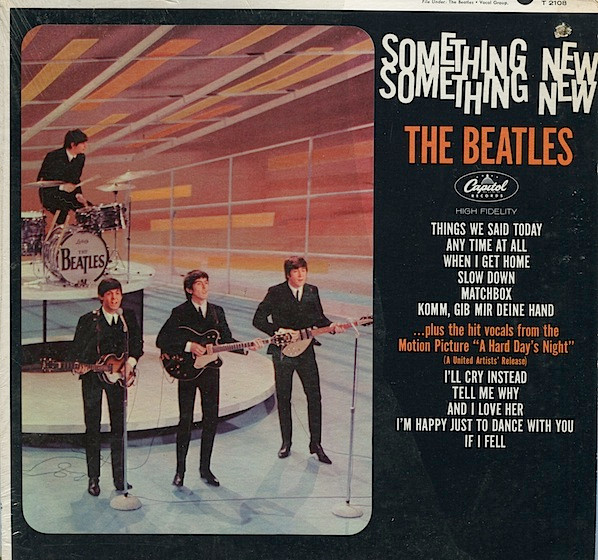
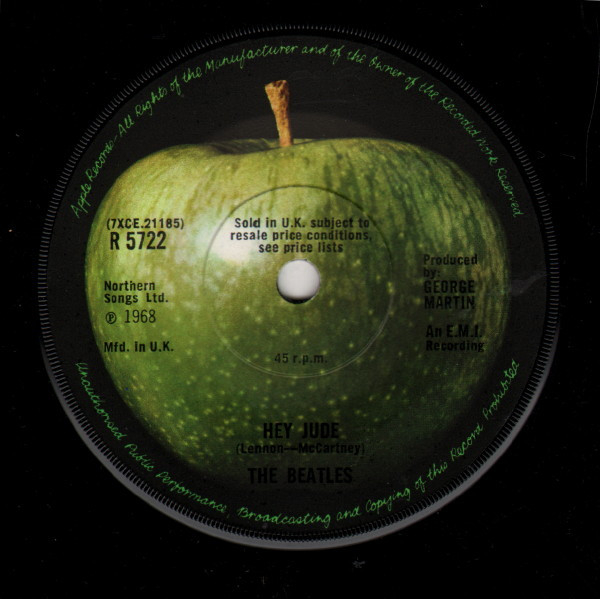
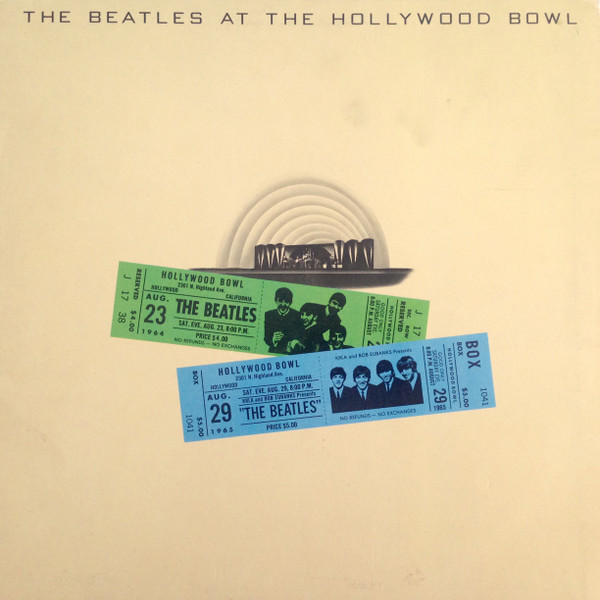
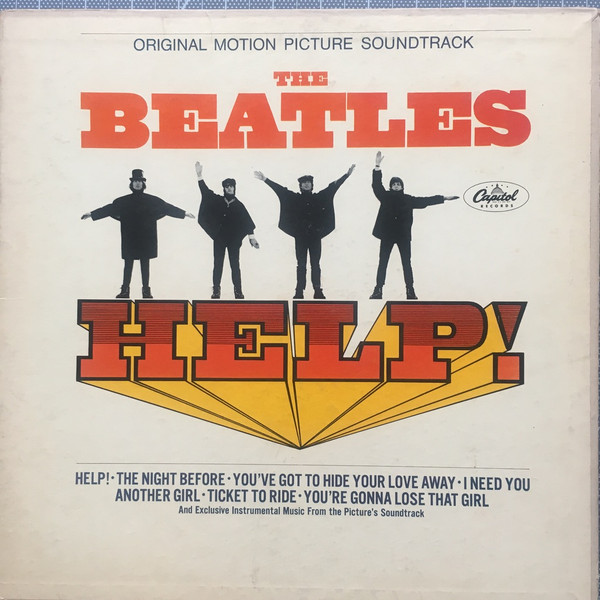
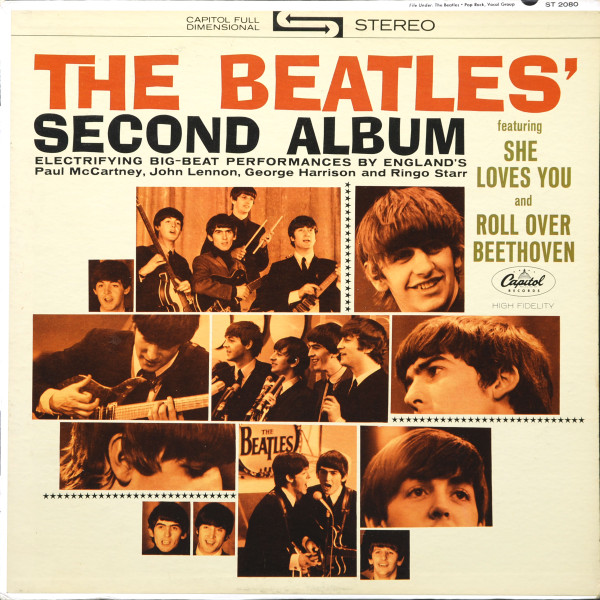
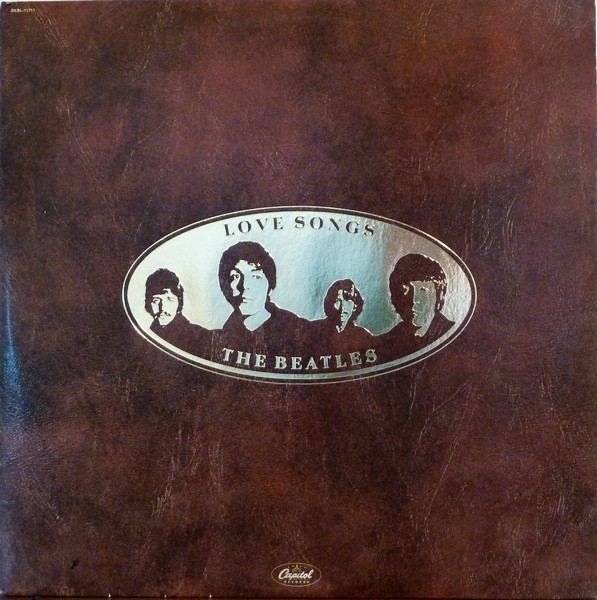
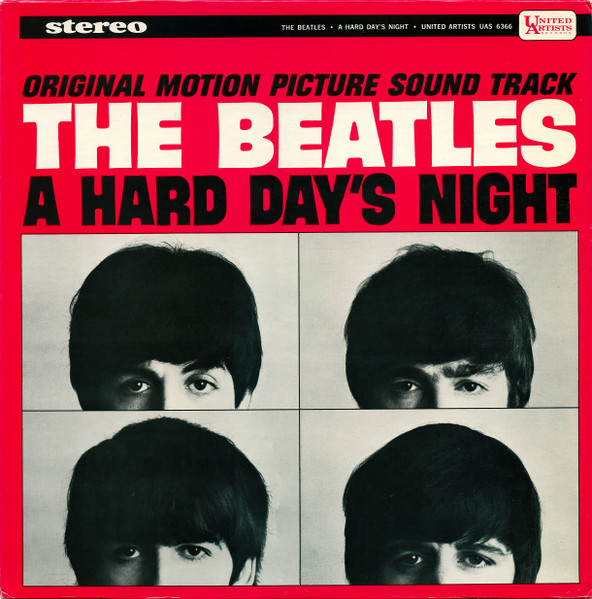
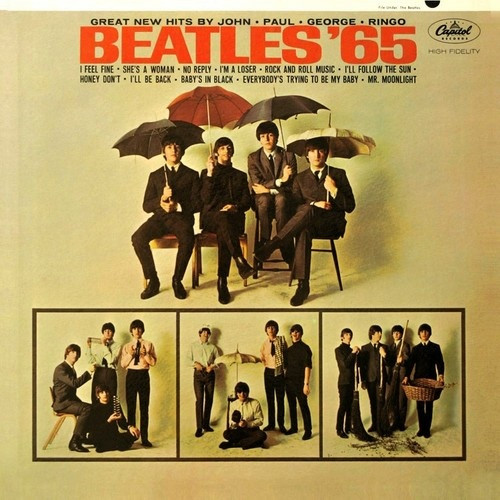
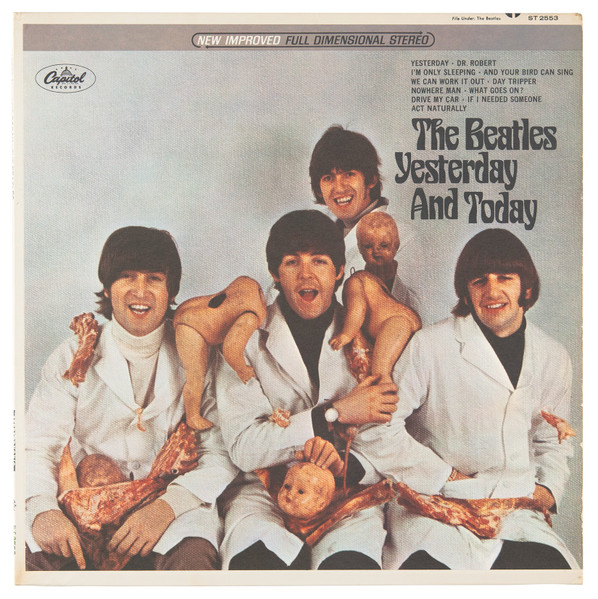
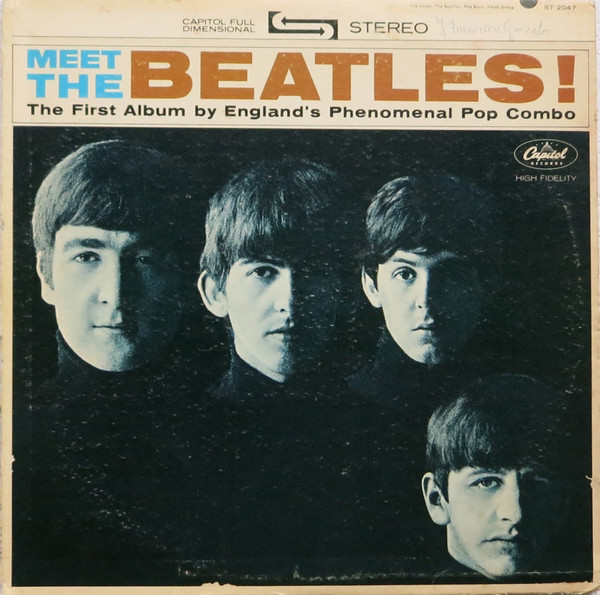
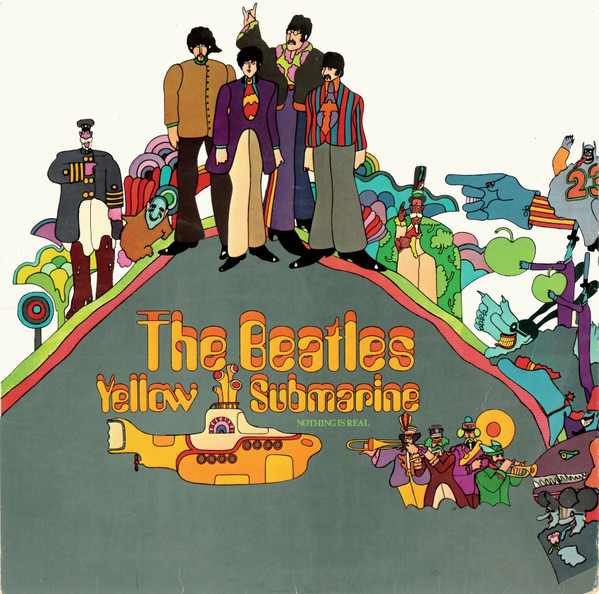
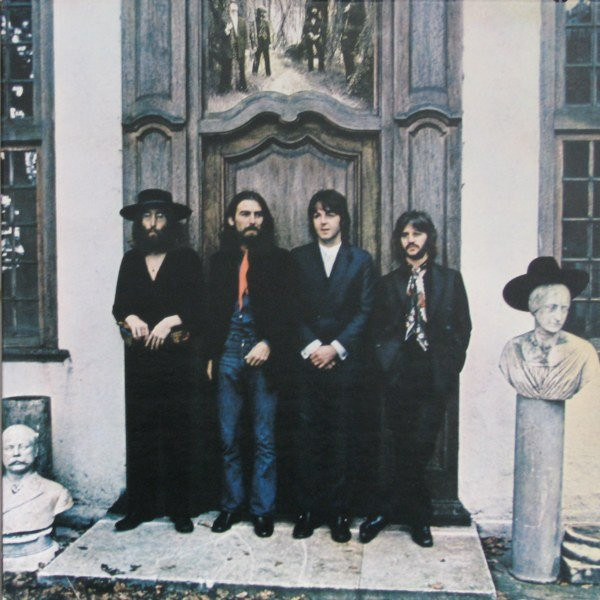
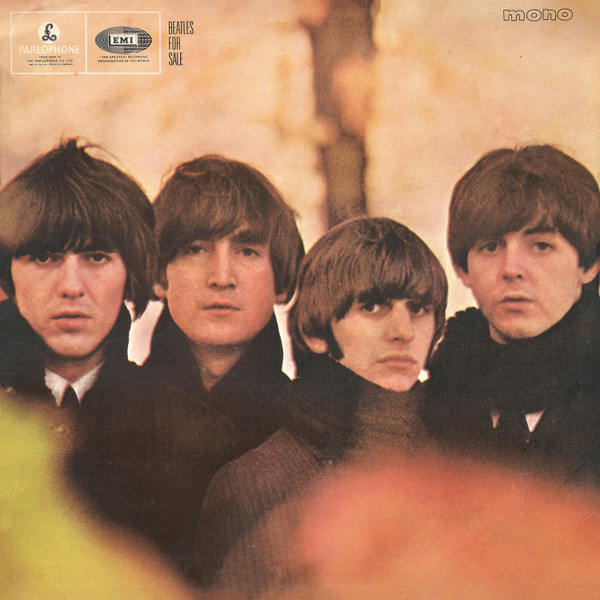
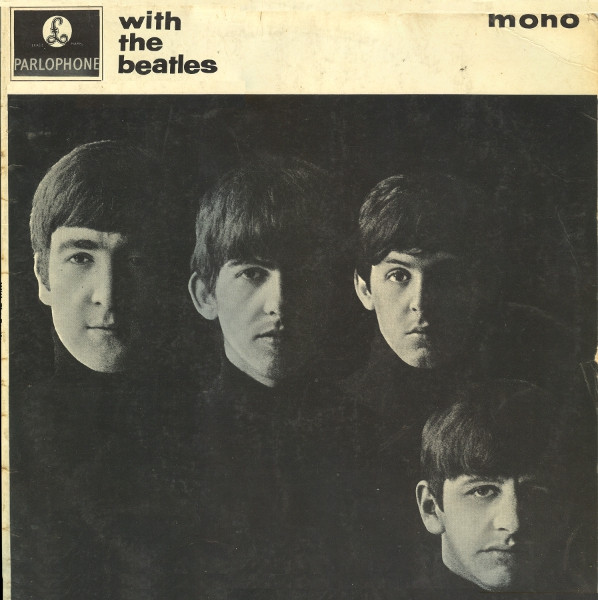
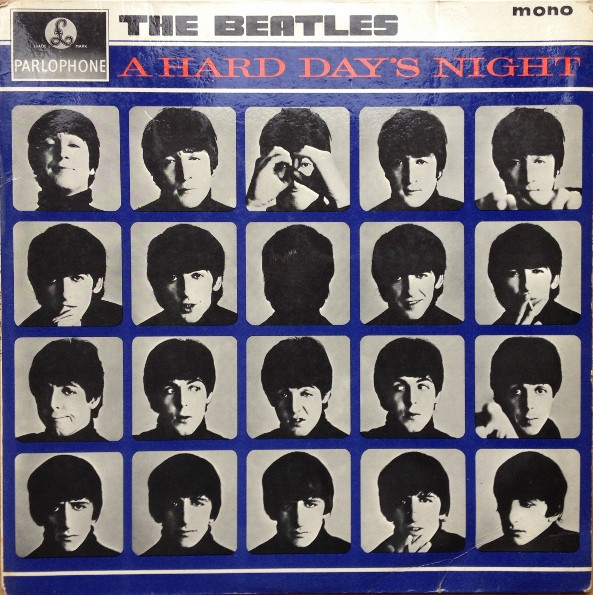
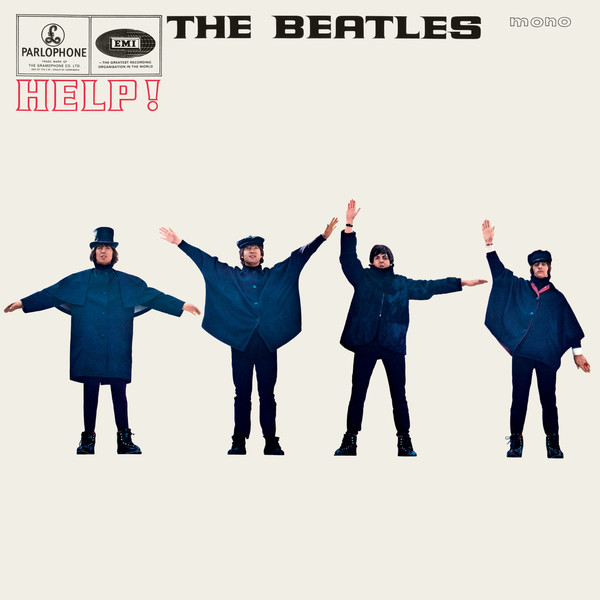
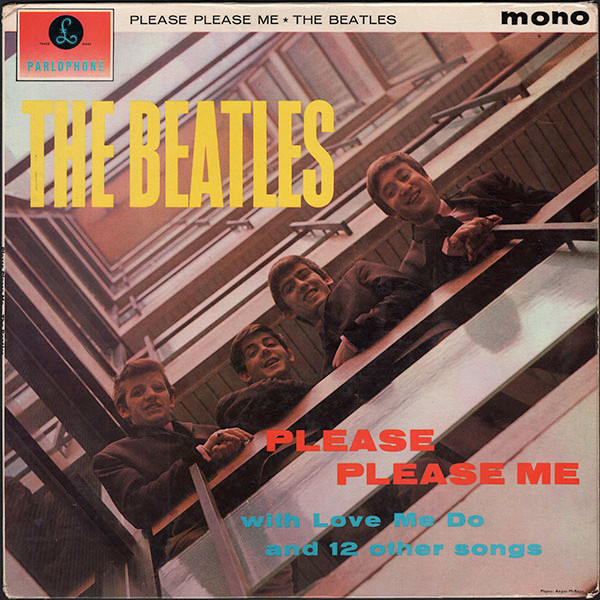
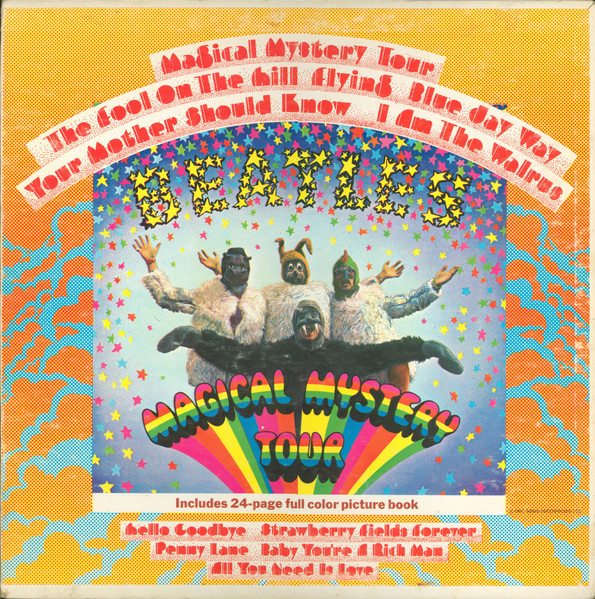
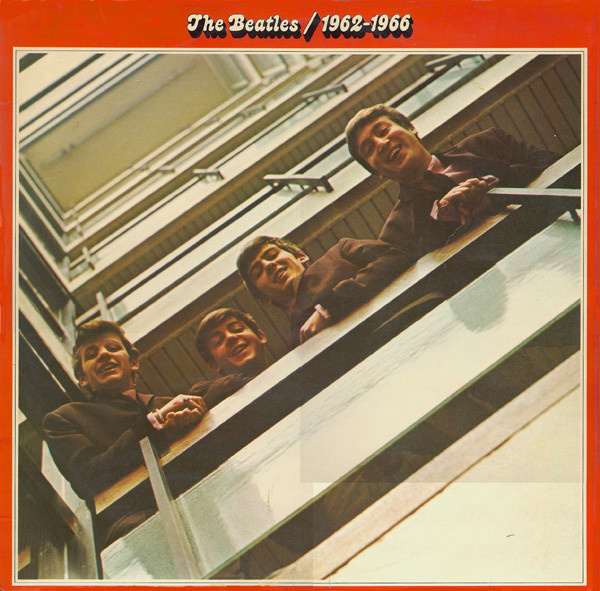
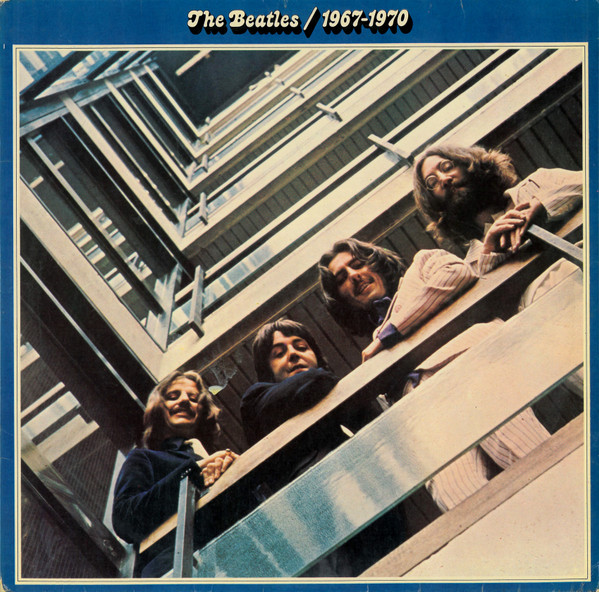
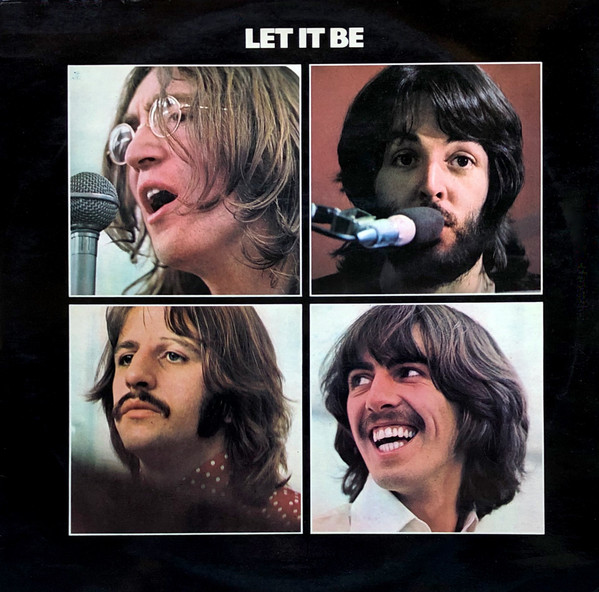
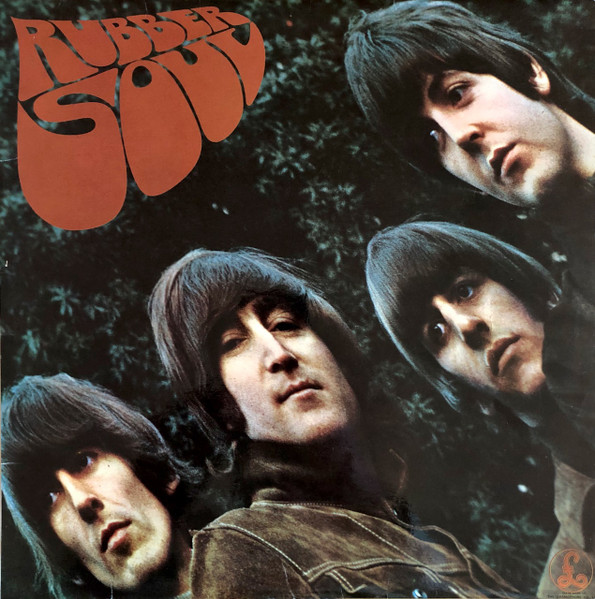
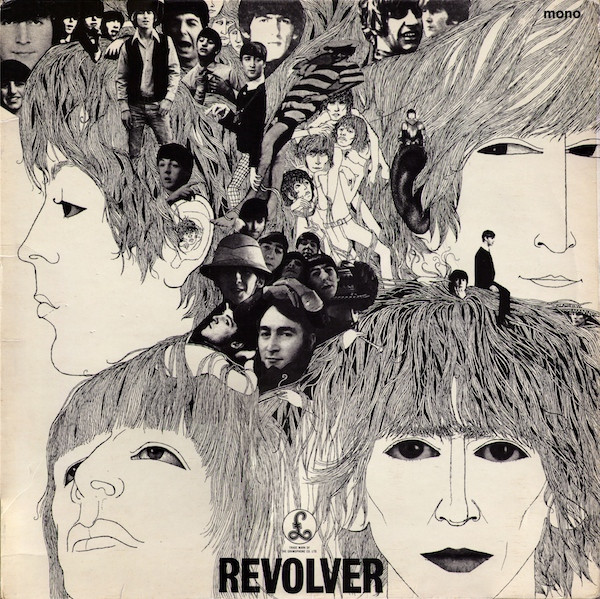
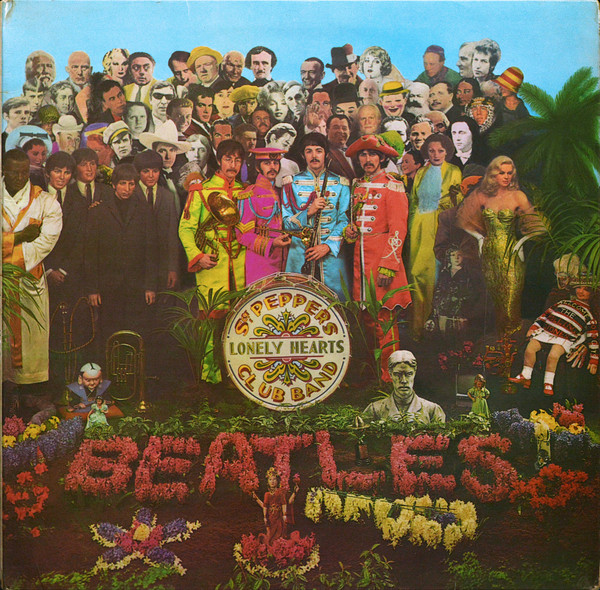
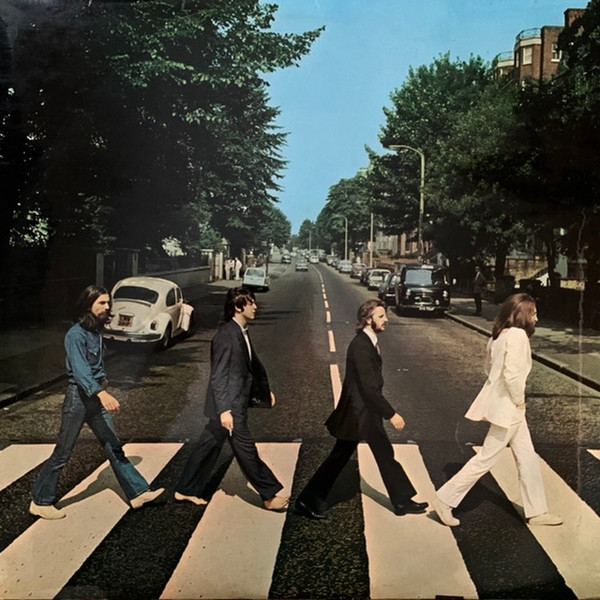
About Beatles, The vinyl records
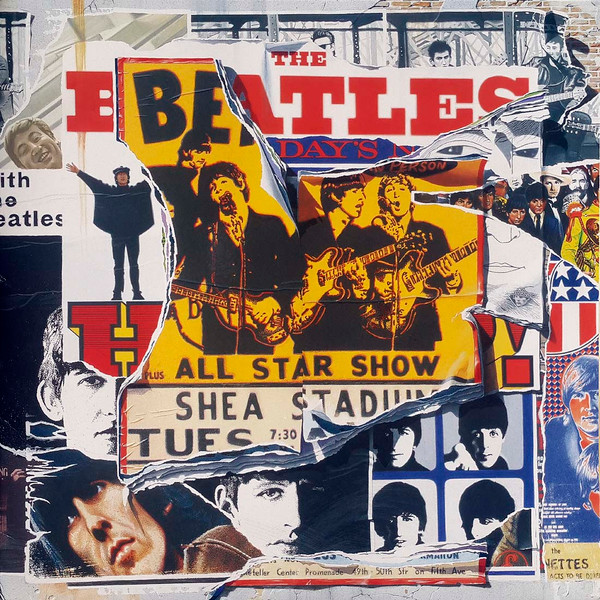
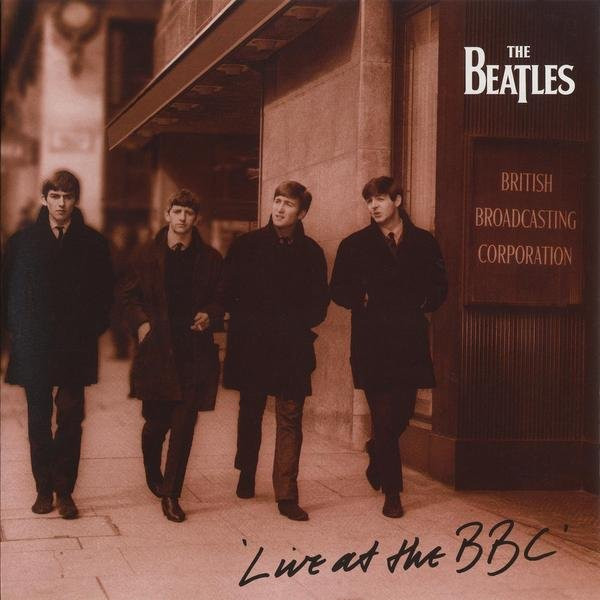
The Beatles, The released 35 vinyl records spanning 1963 to 2023, with the bulk of their catalogue pressed during the 1960s across Parlophone, Apple Records, and Capitol Records. From early mono pressings through stereo reissues and modern compilations like Anthology 2 and Live At The BBC, their vinyl output defines the rock and pop era. Original pressings from the 1960s remain the foundation of serious Beatles collecting, while later reissues and compilations continue to document their influence.
Most collected Beatles, The pressings
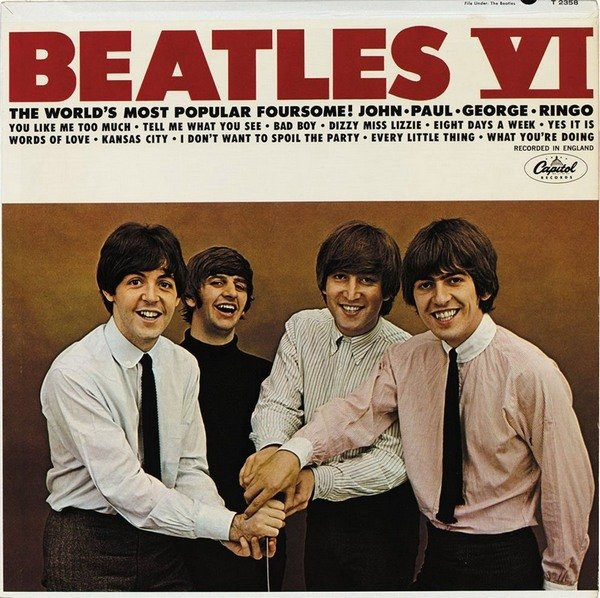
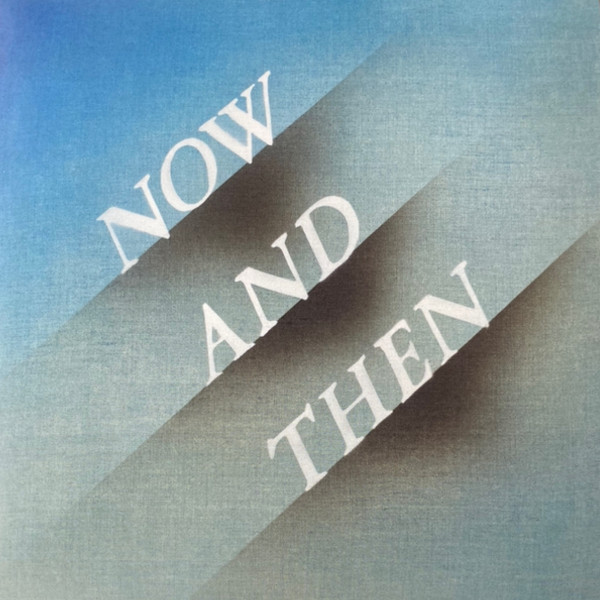
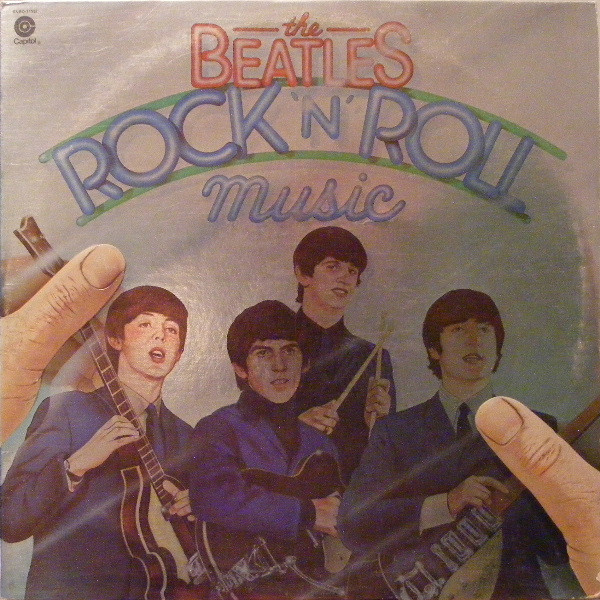
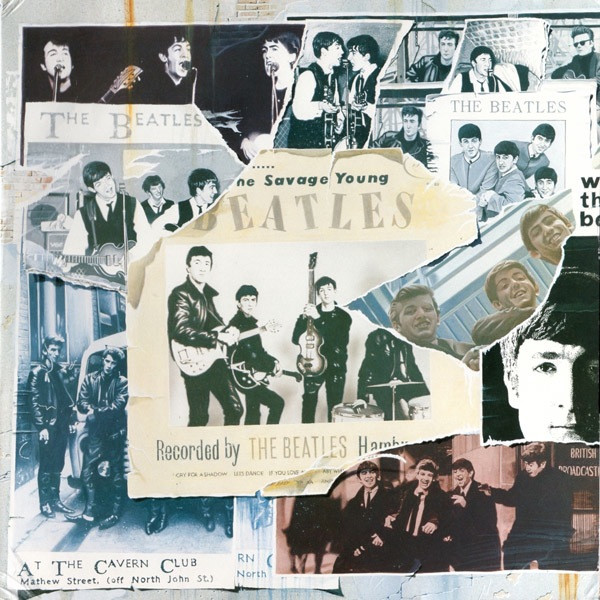
The 1960s releases on Parlophone and Capitol Records dominate collector demand. Beatles VI (Capitol Records, 1965) represents the US market's curated approach to their catalogue during the band's peak years. Later compilations—Rock 'N' Roll Music (Capitol Records, 1976) and the 1990s Anthology series—appeal to collectors seeking alternate takes and unreleased material. Anthology 2 (Apple Records, 1996) and Live At The BBC (Apple Records, 1994) document sessions outside the standard studio albums. The 2023 release Now And Then / Love Me Do marks the most recent vinyl entry, a single combining AI-restored vocal with a classic track.
What drives Beatles, The record values
First pressings from the 1960s command attention due to their original label designs, pressing quality, and scarcity. Mono versus stereo variants—common across early releases—affect desirability; mono pressings from Parlophone and early Capitol issues often carry premium weight among audiophile collectors. Country of origin matters: UK Parlophone pressings differ from US Capitol editions in matrix codes, label text, and sonic characteristics. Compilation albums and reissues, while more recent, hold value when sourced from limited runs or special editions. Condition of the vinyl surface, label legibility, and completeness of original sleeves directly influence collector interest.
Buying Beatles, The on vinyl
Collectors typically pursue original 1960s pressings first, then branch into 1970s compilations and 1990s reissue campaigns. When evaluating a copy, inspect the runout matrix and label for pressing-plant codes and catalogue numbers—these confirm edition and country of manufacture. Check the vinyl surface under light for hairline scratches, warping, or residue. Original gatefold sleeves, inserts, and lyric sheets should be present and unbroken. A clean copy requires minimal surface noise during playback and intact label printing. Mono pressings require compatible equipment; stereo became standard by the mid-1960s.
What to check before buying
Verify the catalogue number against the release's documented edition—Parlophone, Capitol, and Apple pressings each carry distinct identifiers. Compare the label design: font, color, and text layout changed across pressing eras and countries. Examine the runout matrix etched or stamped into the vinyl's inner groove; this string identifies the mastering source and pressing plant. For reissues and compilations, confirm whether the pressing is an original run or a later remaster. Play-test if possible to detect skips, pops, or wow. Request high-resolution photos of both label sides and the sleeve condition before committing to purchase.