 VinylAI
 Blues Vinyl Records for Sale
11 records · Read our vinyl collecting guides →



About Blues vinyl records
Blues vinyl spans five decades of rock and blues history, anchored by landmark releases from the 1950s through 2000s on labels including Decca, RCA Victor, RCA, and Swan Song. Collectors value original pressings for their sonic character, label variants, and pressing-plant details that distinguish first issues from later reissues. The genre encompasses both electric blues and blues-influenced rock, with UK and US pressings commanding different collector attention based on availability and mastering choices.
Labels and eras that define Blues vinyl
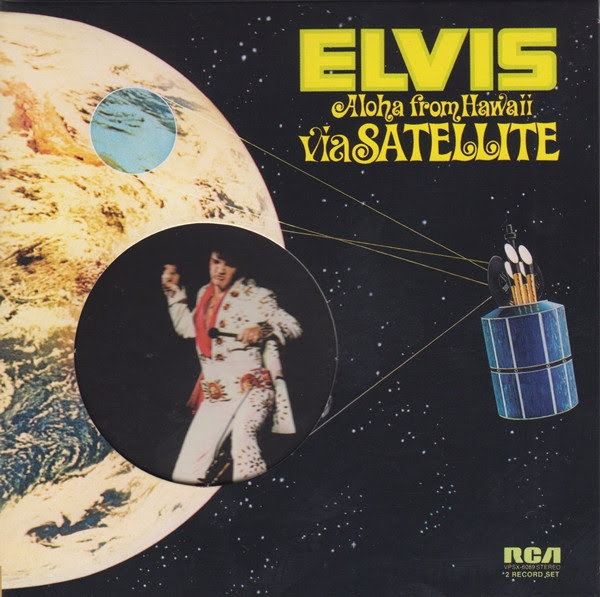
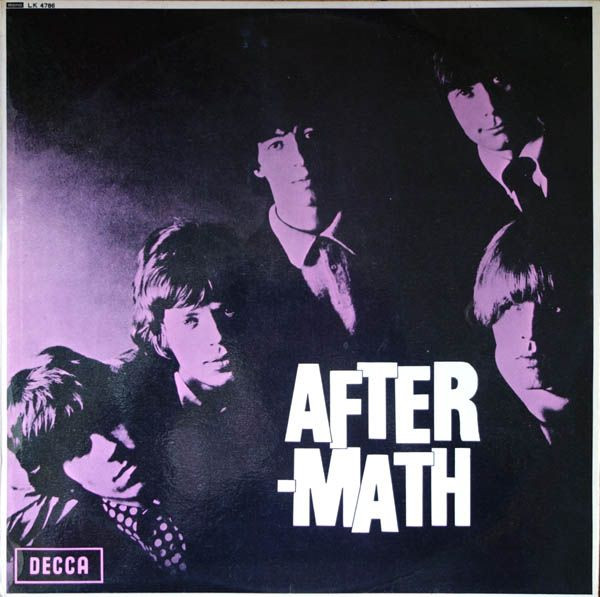
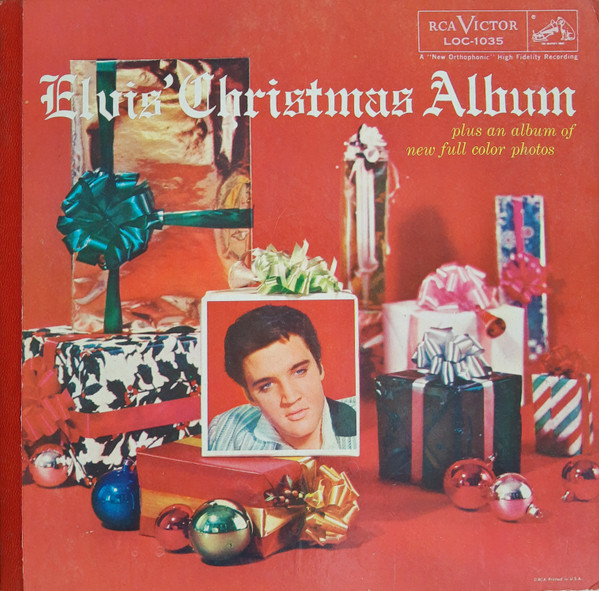
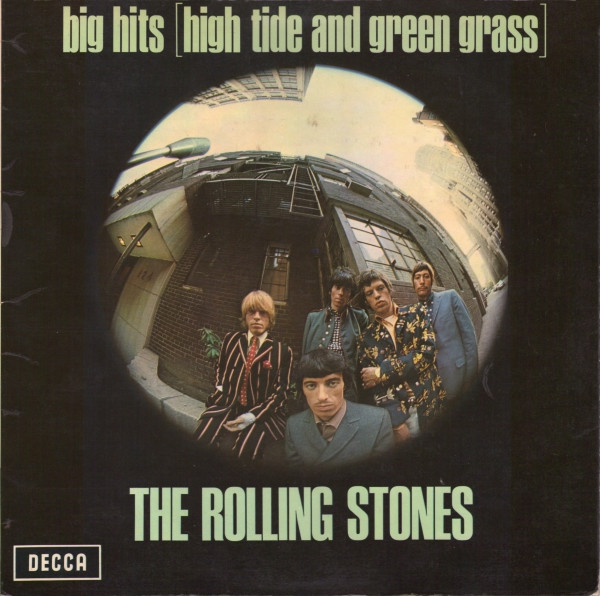
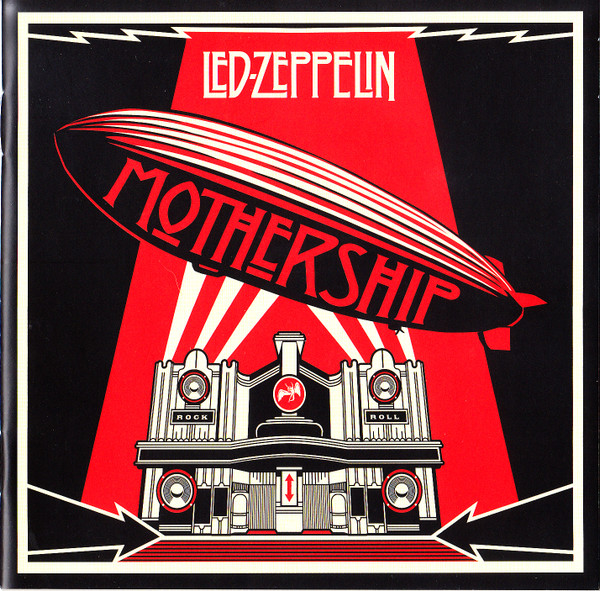
Decca dominated UK blues-rock releases in the 1960s, issuing titles like Big Hits (High Tide And Green Grass) and Aftermath by The Rolling Stones. RCA Victor and RCA anchored American blues and blues-adjacent catalog from the 1950s onward, including Elvis' Christmas Album from 1957 and Aloha From Hawaii Via Satellite from 1973. Swan Song, the 1970s-founded label, continued the tradition into the 2000s with reissue campaigns such as Mothership. Each label's house sound and pressing standards shaped how collectors identify and appraise originals.
What makes Blues pressings valuable
First pressings of 1950s and 1960s blues vinyl are prized for their original equalization, groove depth, and label printing characteristics. UK Decca pressings from the mid-1960s often differ from their US counterparts in matrix codes, label color, and catalogue numbering, making runout inspection essential for authentication. Mono pressings typically predate stereo versions and command collector interest when original stock remains unplayed. The catalogue number, pressing plant code visible in the runout groove, and label stock all serve as verification points when comparing an original to later pressings or reissues.
Original pressing vs reissue
Original pressings carry specific matrix or runout information stamped into the vinyl after the label area; checking the runout matrix and label details will reveal whether a copy is a first pressing or a later reissue. Reissues typically feature updated catalogue numbers, different label designs, or modern pressing-plant codes that differ from originals. Sleeve artwork, printing quality, and paper stock also vary between originals and reissues; original sleeves show period-appropriate typography and materials. A collector comparing an original Decca UK release to a 1980s or later reissue will notice distinct differences in both vinyl and packaging.
Buying Blues vinyl: what to check
When acquiring Blues LPs, inspect both the vinyl and sleeve for signs of play, storage damage, and completeness of inserts or booklets. Grading the media surface—looking for hairline scratches, scuffs, or warping—directly affects playback and long-term value. Check that the catalogue number on the spine and label matches the pressing you intend to purchase, and verify the country of origin (UK Decca, US RCA, or European Swan Song pressings each have distinct characteristics). A clean copy with an uncracked sleeve and legible label detail commands collector confidence; condition assessment should precede any acquisition decision.