 VinylAI
 Hip Hop Vinyl Records for Sale
7 records · Read our vinyl collecting guides →

About Hip Hop vinyl records
Hip Hop and related contemporary urban genres on vinyl attract collectors seeking original pressings and reissues from defining labels including Epic, Island Def Jam, Interscope Records, and independent imprints like Fresh Produce, LP and Boys Don't Cry. The catalog spans from 1990s releases through the 2010s, capturing both foundational works and modern reissues. Collectors evaluate these records by pressing plant, label variant, matrix information, and condition—factors that significantly influence appraisal and acquisition decisions.
What makes Hip Hop pressings valuable
First pressings, particularly those from the 1990s and early 2000s, command collector attention due to their scarcity and original mastering characteristics. Matrix and runout information—the numbers etched or printed in the vinyl's run-out groove—help verify pressing plant and release date, distinguishing genuine first pressings from later reissues. Label variants matter: European and US editions of the same title often differ in catalogue number, artwork, and pressing specifications. Condition of both vinyl and sleeve directly affects desirability; clean copies with minimal surface noise and original inserts are substantially more sought after than worn examples.
Labels and eras that define the catalog
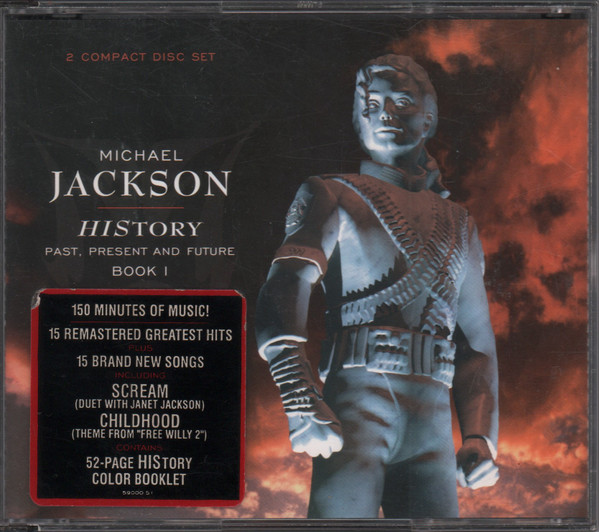
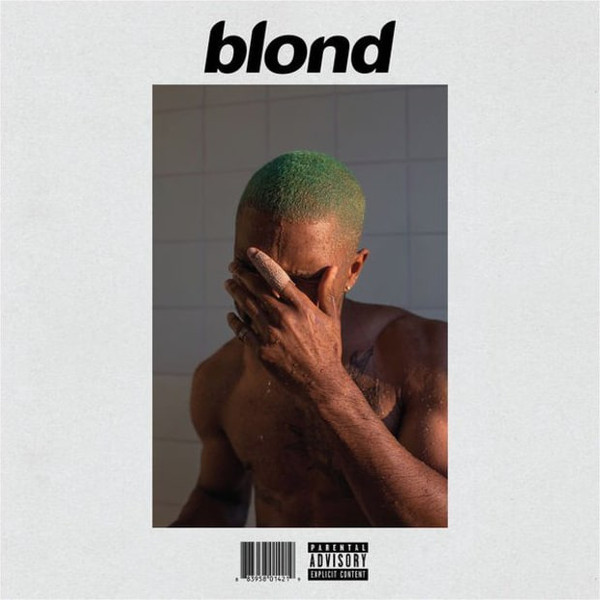
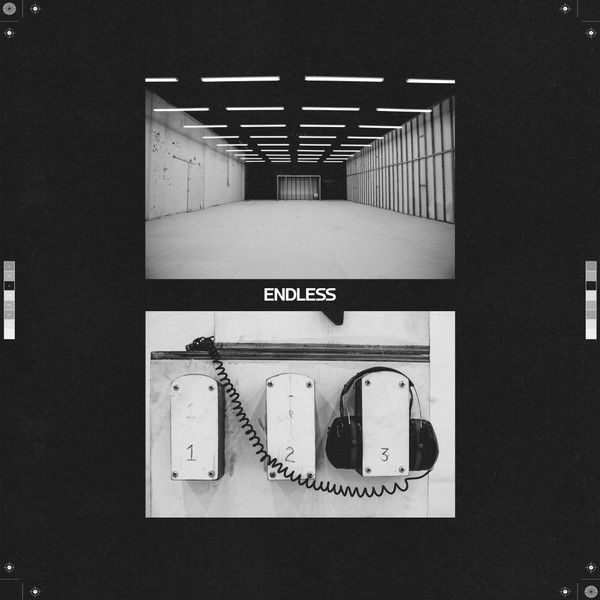
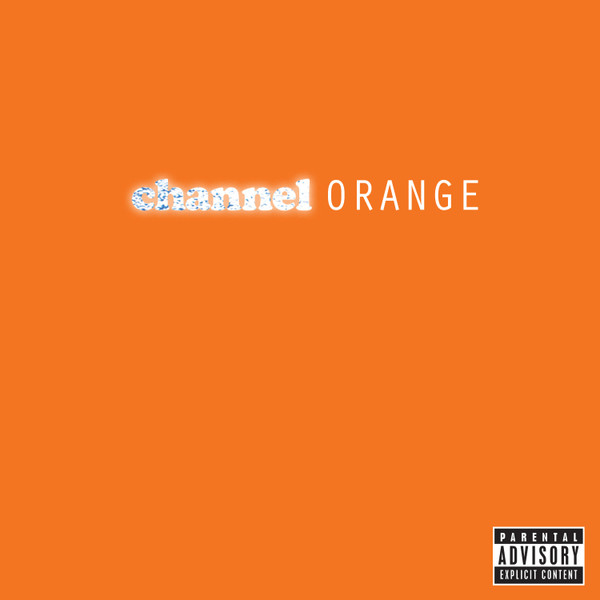
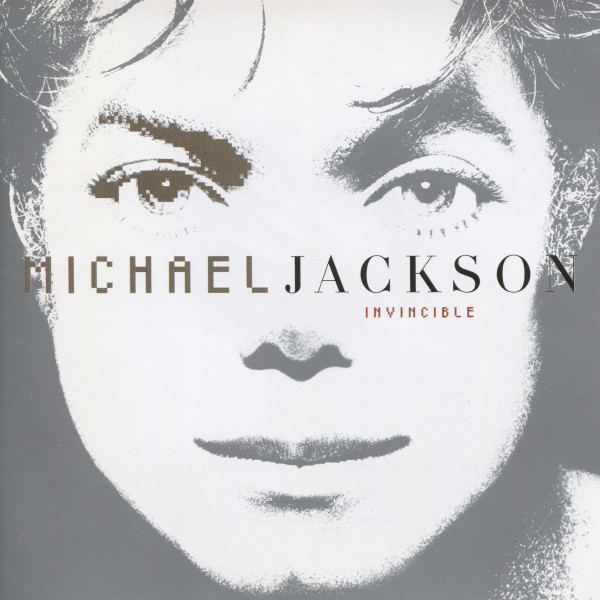
Epic Records dominates this collection with multiple releases spanning the 1990s and 2000s, including Michael Jackson's HIStory - Past, Present And Future - Book I from 1995 and Invincible from 2001. Island Def Jam's 2012 release of Frank Ocean's Channel Orange represents the modern era of label-backed hip hop vinyl. Independent and smaller imprints—Fresh Produce, LP with Endless and Boys Don't Cry with Blonde—reflect the contemporary shift toward artist-controlled and boutique label releases. Interscope Records rounds out the range with Lana Del Rey's Lust For Life, showing how contemporary urban and experimental pop genres intersect with hip hop collecting.
Original pressing vs reissue
Original pressings carry the earliest catalogue numbers and matrix codes specific to their initial manufacturing run. Reissues typically feature updated catalogue numbers, different label printing, or revised artwork; comparing the catalogue number on the release documentation against the label and runout matrix will reveal whether a copy is original or reissued. Frank Ocean's Endless and Blonde, both from 2016, exist as limited original pressings that have seen subsequent reissue activity, making verification of first-press status essential for collectors. Checking the label stock quality, print clarity, and matrix string against documented examples helps confirm pressing generation.
Buying Hip Hop vinyl: what to verify
Before purchase, inspect the vinyl for hairline scratches, warping, or visible dirt; listen to a sample track if possible to confirm playback quality. Check the sleeve for seam splits, water damage, or missing inserts—original gatefolds and lyric sheets significantly add to value. Verify the catalogue number matches the label and the runout matrix against the release record to confirm you are acquiring the intended pressing and era. For European pressings like Channel Orange on Island Def Jam or Invincible on Epic, note that catalogue numbers and matrix information often differ from US counterparts, affecting both authenticity and market positioning.