 VinylAI
 Pop Vinyl Records for Sale
153 records · Read our vinyl collecting guides →













































About Pop vinyl records
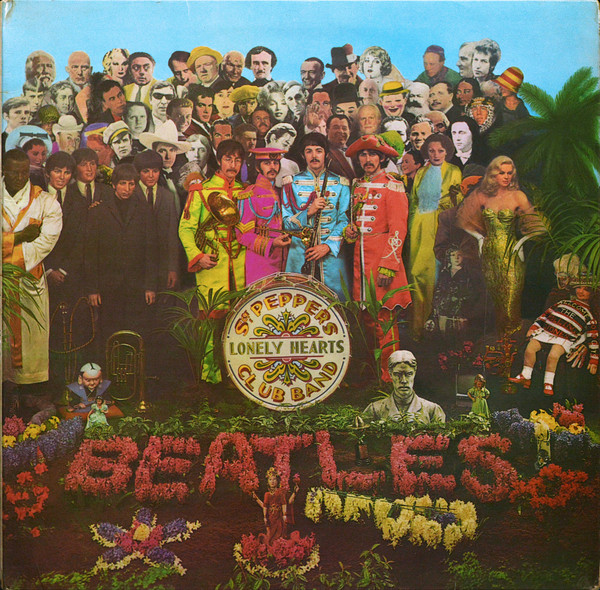
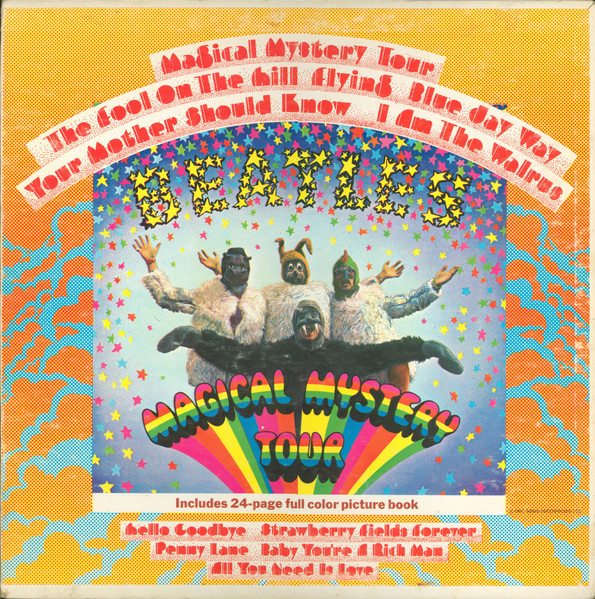
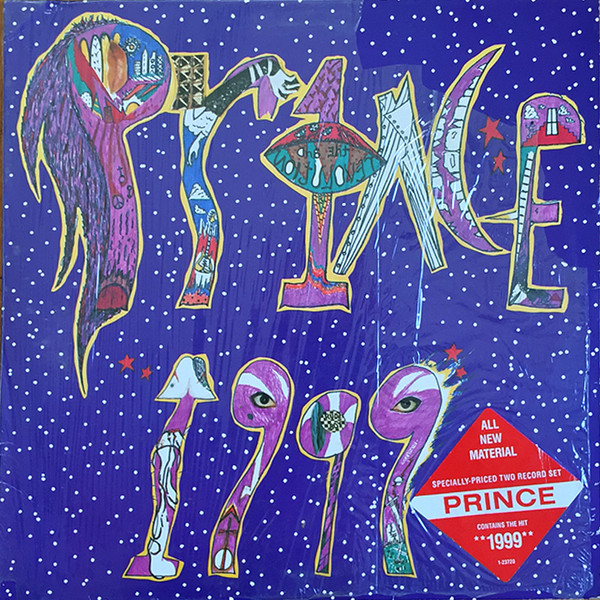
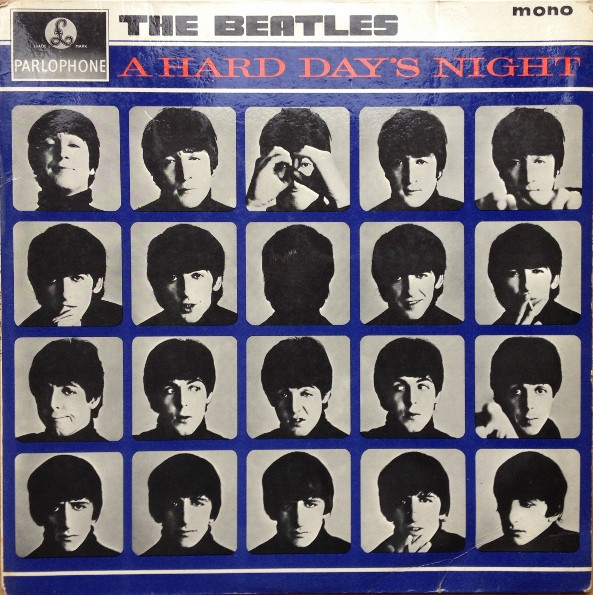
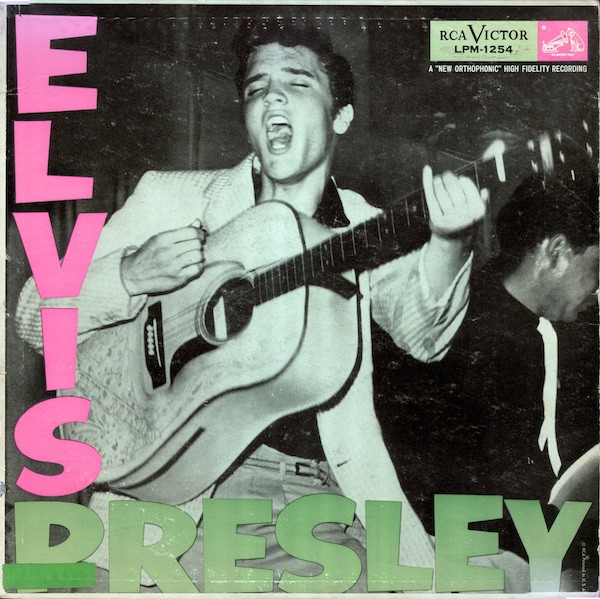
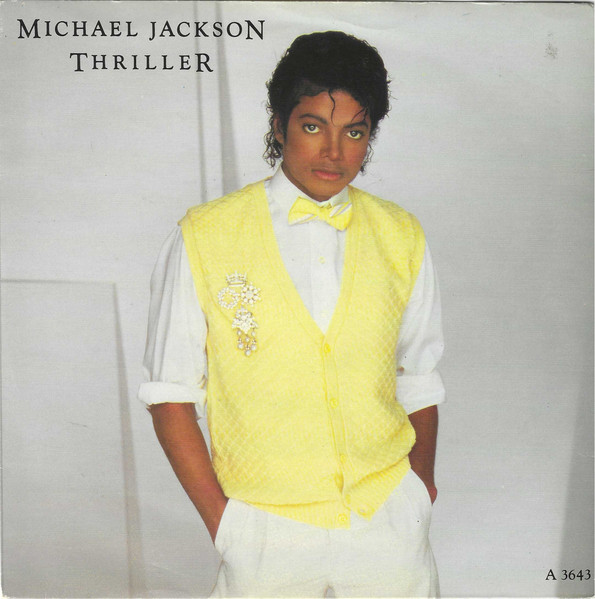
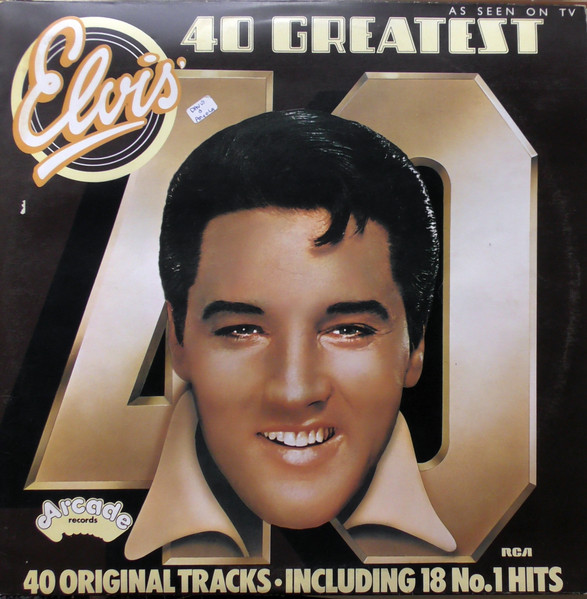
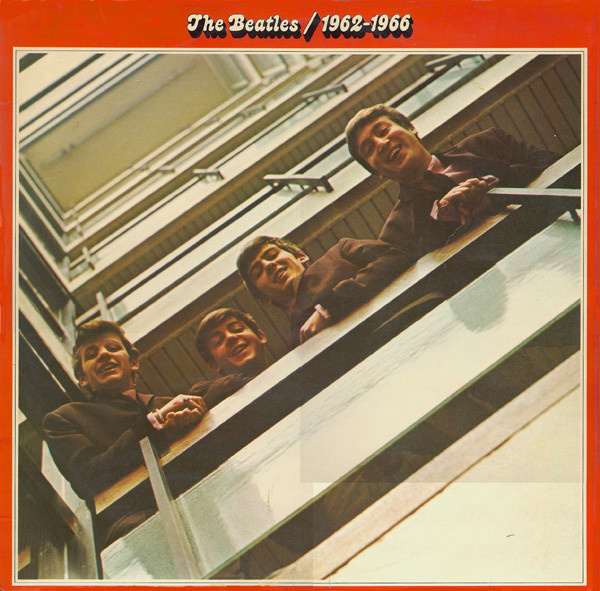
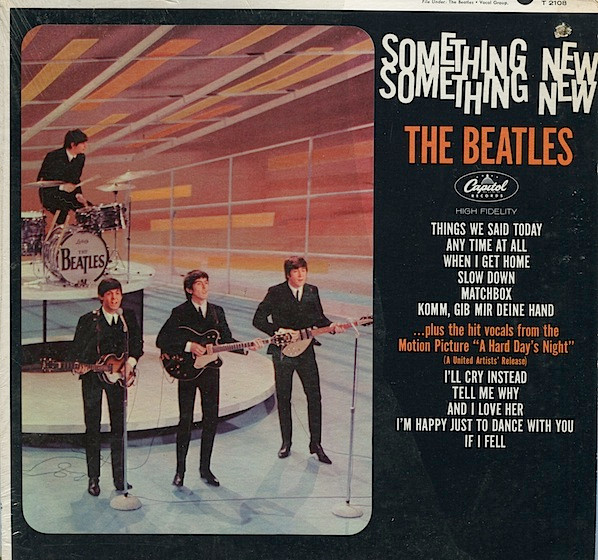
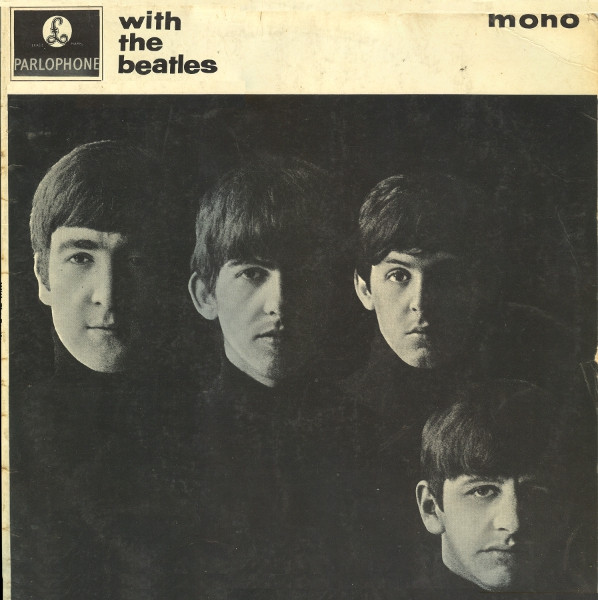
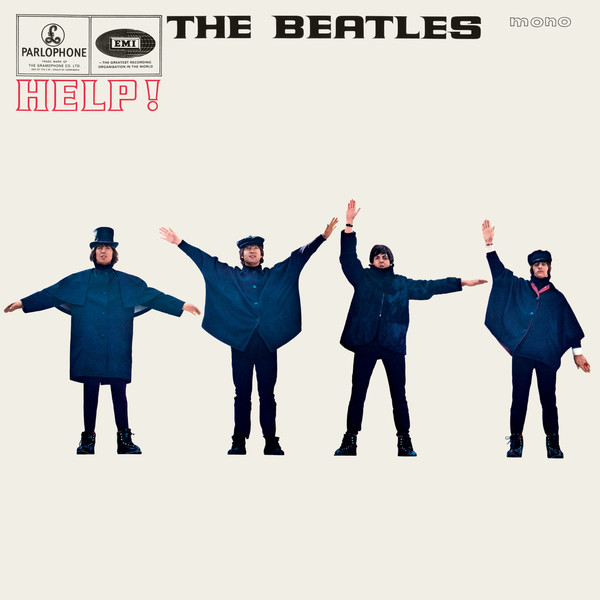
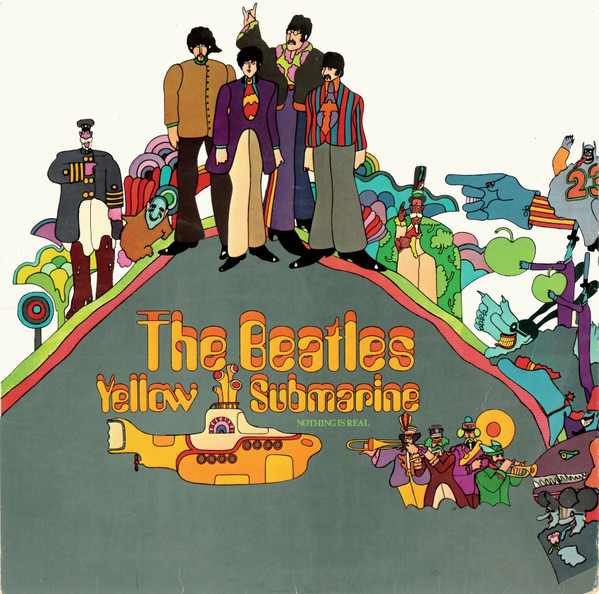
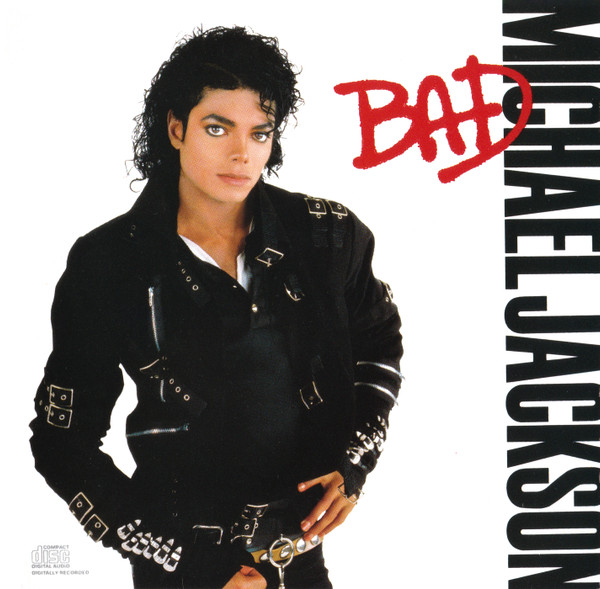
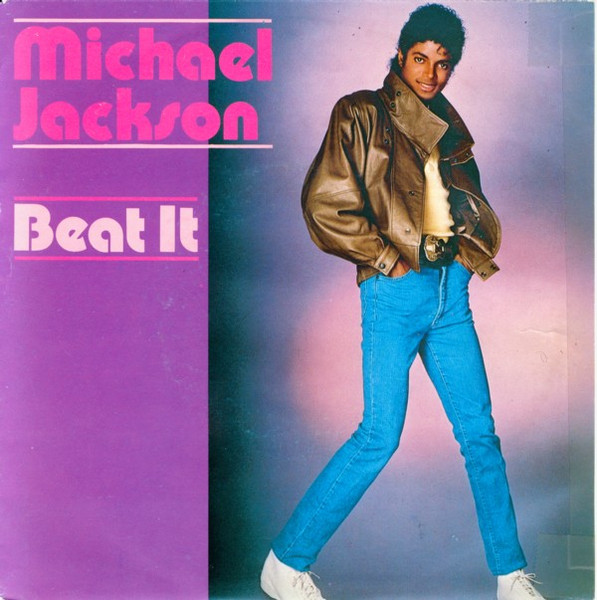
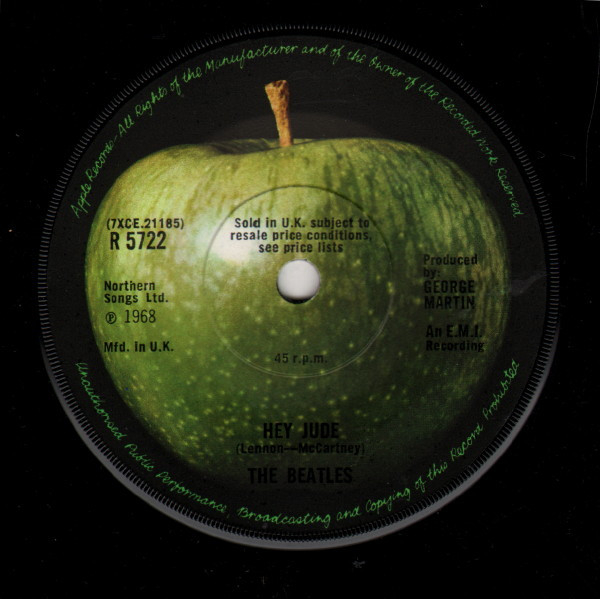
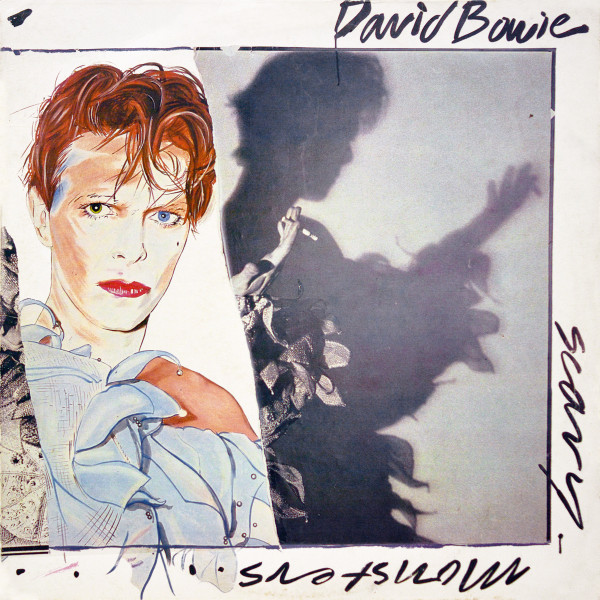
Pop vinyl spans from the 1960s through the 2020s, with the strongest collector interest in first pressings from the 1960s and 1980s alongside contemporary releases. The genre's core catalogue anchors on labels including Republic Records, Parlophone, Polydor, Epic, Apple Records, and RCA Victor. Collectors appraise Pop records by pressing plant, label variant, matrix codes, and mono versus stereo designation—factors that can shift desirability significantly. The Beatles, Taylor Swift, Michael Jackson, and Prince dominate holdings, reflecting both foundational and modern Pop canon.
What makes Pop pressings valuable
First pressings from the 1960s and 1980s command collector attention because they often carry distinct label designs, matrix codes, and equalization choices absent from later reissues. Mono pressings from the early 1960s typically differ in mix and pressing quality from their stereo counterparts, making identification via runout matrix and label inspection essential. Original sleeves with intact gatefolds, inserts, and lyric sheets materially affect appraisal; water damage, seam splits, or missing components reduce value. Pressings from independent plants within a single catalogue number can vary in sound quality and durability, making pressing-plant research a standard collector practice.
Labels and eras that define Pop
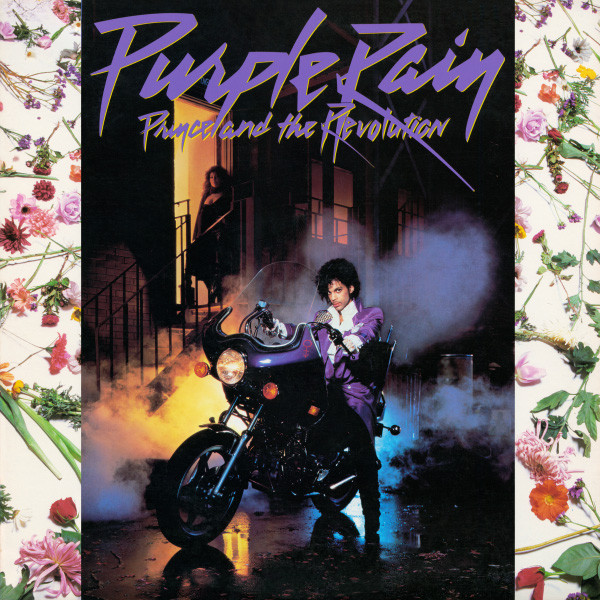
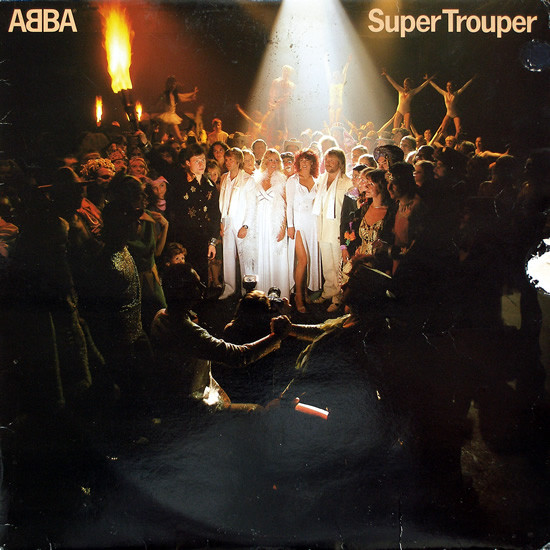
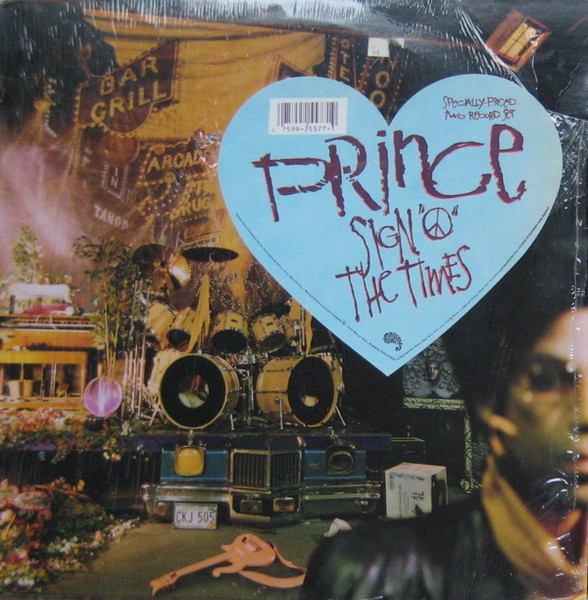
Parlophone and Apple Records defined 1960s British Pop, while Polydor and Epic anchored 1970s and 1980s releases across Europe and North America. Republic Records became the dominant contemporary label, reflecting modern Pop's industry consolidation. Swedish Polar Records produced ABBA's catalog—including Arrival (1976) and Super Trouper (1980)—now sought in original pressings. Warner Bros. Records issued Prince's landmark albums, notably Purple Rain (1984) and Sign "O" The Times (1987). Each label's pressing standards, sleeve printing quality, and regional variants create distinct collecting categories within the Pop genre.
Original pressing vs reissue
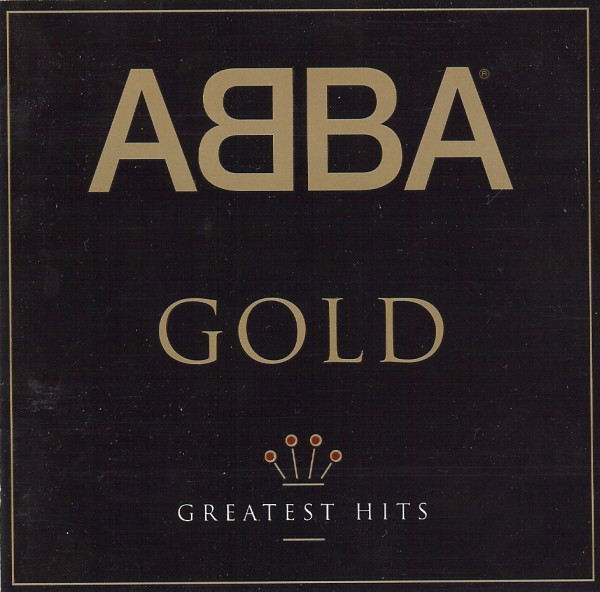
Original pressings carry catalogue numbers and label designs specific to their release year and country; reissues typically show different catalogue numbers, updated label graphics, or digital-era manufacturing codes. Collectors verify originality by checking the runout matrix etched or stamped into the vinyl's deadwax, comparing it against release documentation, and examining the label's typeface, color separation, and printing method. ABBA's Gold (Greatest Hits), released in 1992 on Polydor as a CD compilation, differs materially from the original 1976 and 1980 Polar LP pressings in format, label, and manufacturing. Stereo pressings of 1960s Pop records often carry "Stereo" or "ST" designation on the label; absence of this marker suggests mono, which commands different collector interest.
Buying Pop vinyl
Most Pop vinyl is listed as LP, 7-inch single, or CD format; LP pressings dominate the category. A clean copy requires playable vinyl free of heavy surface noise, a legible label, and a sleeve graded for wear and completeness. Check the matrix code in the runout against the catalogue number on the release page to confirm pressing plant and era. Condition directly influences negotiation: hairline scratches and light sleeve wear are acceptable on vintage pressings, while deep gouges, warping, or missing sleeves substantially affect the transaction. Request photographs of the label, runout matrix, and sleeve interior before committing; sellers who provide these details typically indicate confidence in their grading.