 VinylAI
 Taylor Swift Vinyl Records for Sale
12 records · Explore artist guides →










About Taylor Swift vinyl records
Taylor Swift's vinyl discography spans from 2014 through 2025, with the majority of her LP releases arriving in the 2020s. Her early albums—including 1989 on Big Machine Records—established her pop foundation, while later pressings shifted to Republic Records. The artist's re-recording campaign, beginning with Fearless (Taylor's Version) in 2021, has driven significant collector interest in vinyl, particularly as fans seek both original pressings and the newly mastered reissues that followed.
Most collected Taylor Swift pressings
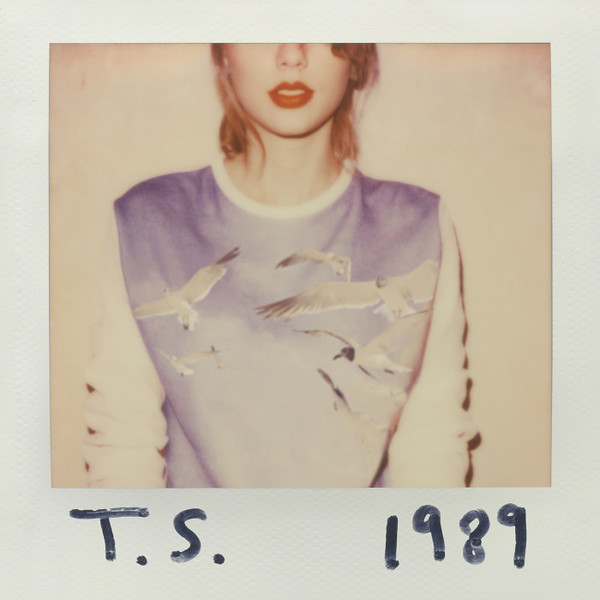
Collectors prioritize first pressings of 1989 (Big Machine Records, 2014) for its original era and label significance. The Taylor's Version reissues—Fearless (Taylor's Version), Red (Taylor's Version), and Speak Now (Taylor's Version)—represent a distinct collecting category, issued on Republic Records between 2021 and 2023. Lover (2019, Republic Records) remains sought after as a standalone pop album from the pre-reissue period. Reputation (2017, Big Machine Records) occupies a middle ground, valued for its original label run before the artist's transition to Republic. Condition and pressing plant details vary across territories and pressings; checking the catalogue number and runout matrix against the release documentation helps confirm edition and pressing plant origin.
What drives Taylor Swift record values
First pressings of Big Machine Records releases—particularly 1989 (catalogue BMRBD0500A, USA & Canada)—command attention due to scarcity and label-era significance. Republic Records pressings carry catalogue identifiers such as B0034423-01 for Red (Taylor's Version) and B0030612-02 for Lover, which aid in pressing verification. Territorial variants (US, Worldwide) affect availability and collector demand. Original vs. reissue status matters: early Big Machine pressings predate the Taylor's Version campaign and represent the artist's original commercial era. Condition—including sleeve wear, vinyl surface noise, and label printing clarity—directly influences collector valuation. Mono vs. stereo pressings and special edition variants (colored vinyl, gatefold packaging) also differentiate copies within the same catalogue number.
Buying Taylor Swift on vinyl
Collectors hunting Taylor Swift vinyl should verify catalogue numbers before purchase. For Big Machine originals like 1989, confirm the BMRBD0500A designation and check the runout matrix printed in the vinyl's deadwax. Republic Records pressings require matching the specific B-number (e.g., B0034423-01 for Red (Taylor's Version)) to the label and sleeve. Examine the pressing plant code in the runout to determine manufacturing origin. A clean copy demands minimal surface noise, centered labels, and undamaged sleeves with intact spines and corners. Original Big Machine pressings are increasingly difficult to locate in mint condition; Republic reissues remain more readily available but vary by territory. Cross-reference the physical release against the catalogue number on the artist's official discography to confirm authenticity before committing to a purchase.
Originals vs. reissues
Taylor Swift's Big Machine Records releases (1989, Reputation) represent the original commercial era; these carry distinct catalogue structures and label designs specific to that imprint. The Taylor's Version reissues on Republic Records—including Fearless (Taylor's Version), Red (Taylor's Version), and Speak Now (Taylor's Version)—feature remastered audio and updated packaging. To distinguish: check the label itself (Big Machine vs. Republic), verify the catalogue number format (BMRBD vs. B-series), and examine the runout matrix and pressing-plant code stamped in the vinyl. Original Big Machine pressings typically show different mastering and vinyl weight compared to later Republic pressings. Reissues often include updated liner notes referencing the re-recording project. Both categories appeal to different collector priorities: originals for era and scarcity, reissues for audio quality and completeness of the artist's re-recorded catalog.