 VinylAI
 Rock Vinyl Records for Sale
289 records · Read our vinyl collecting guides →














































































About Rock vinyl records
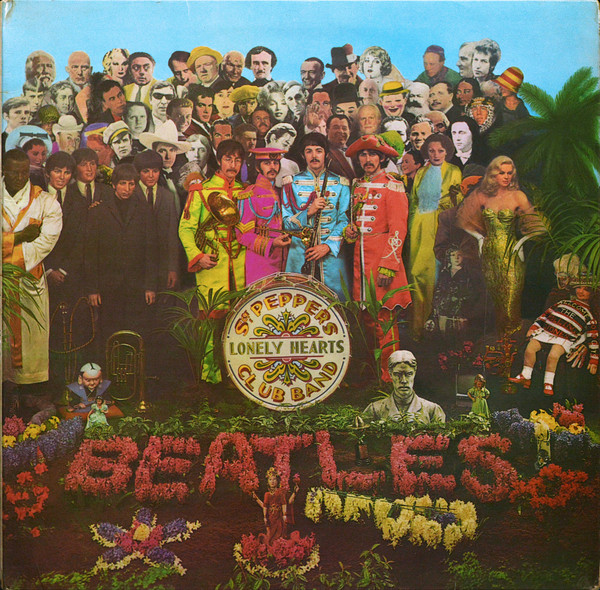
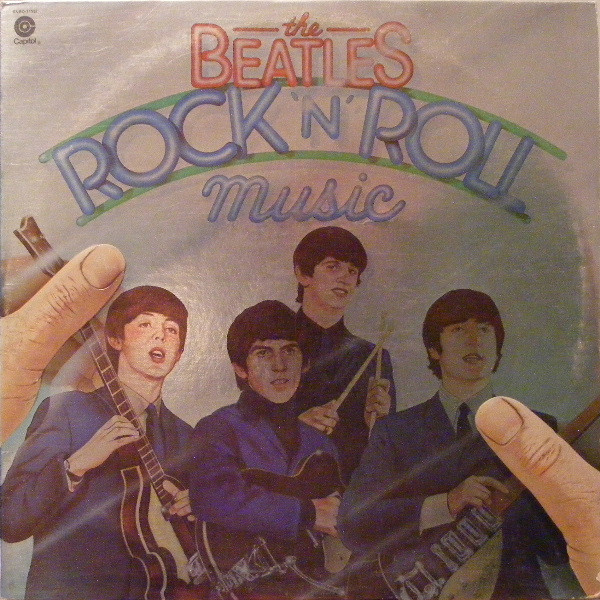
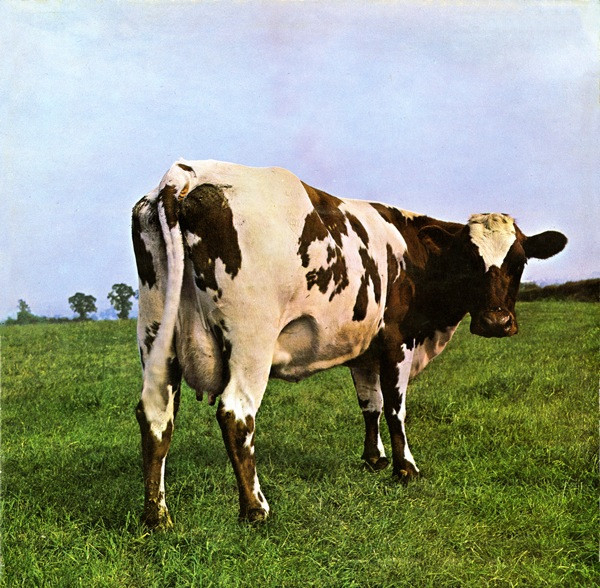
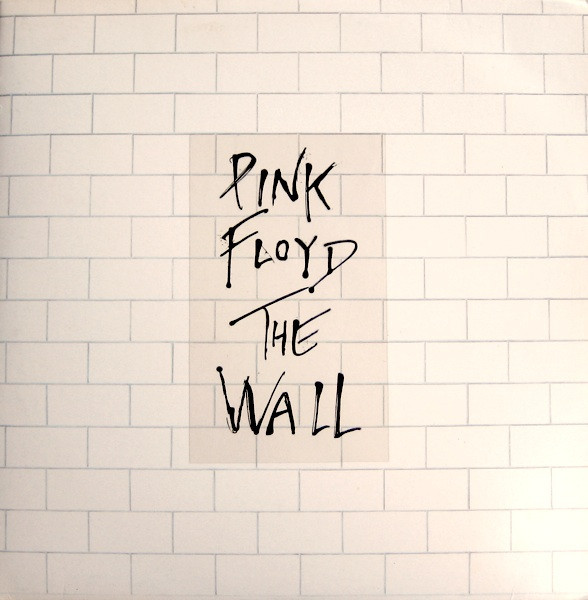
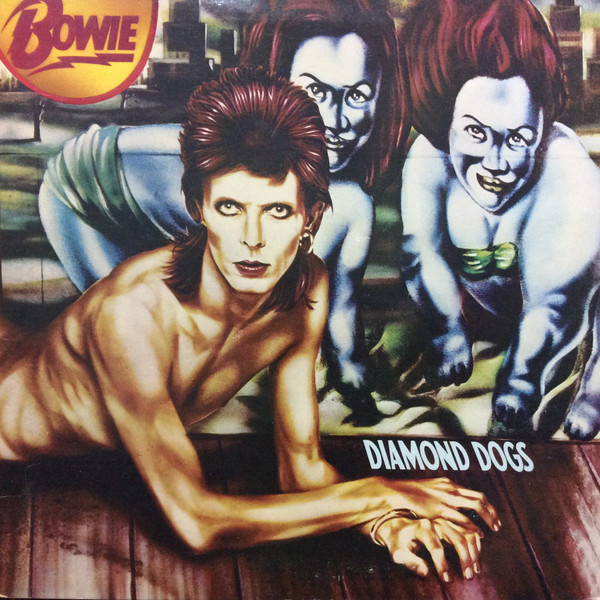
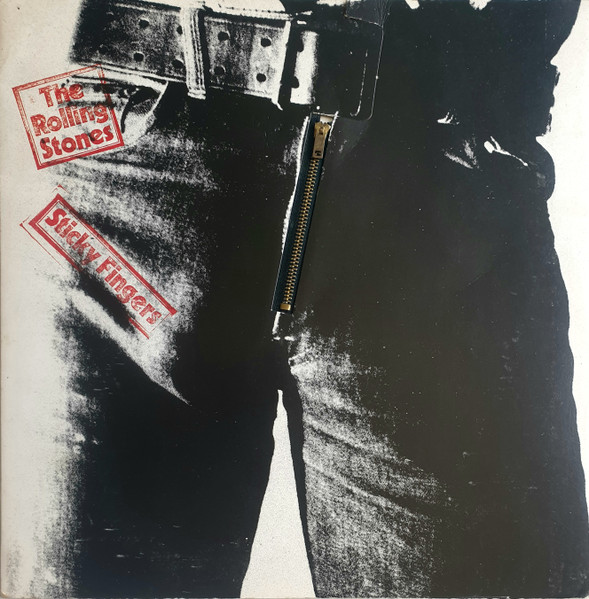
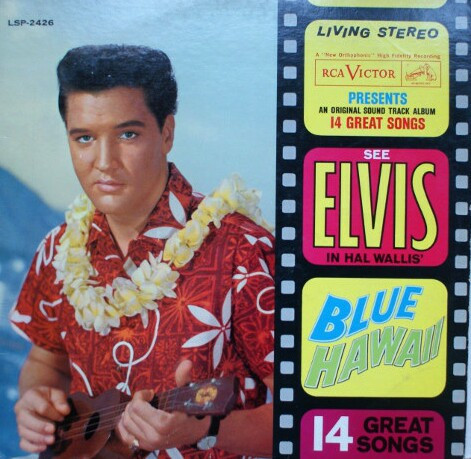
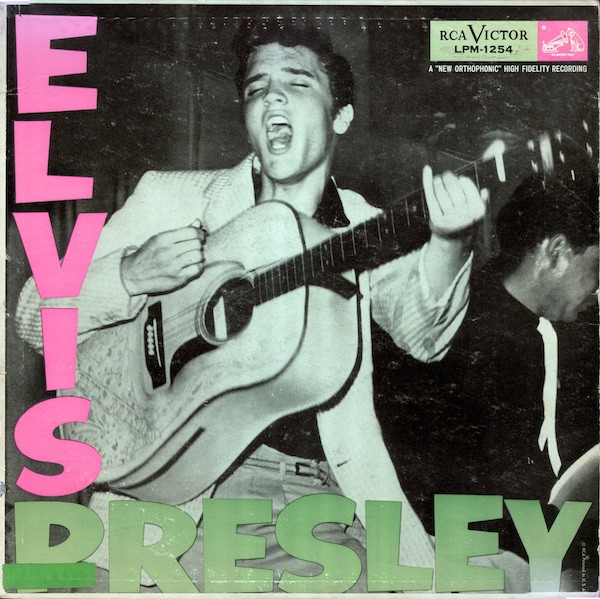
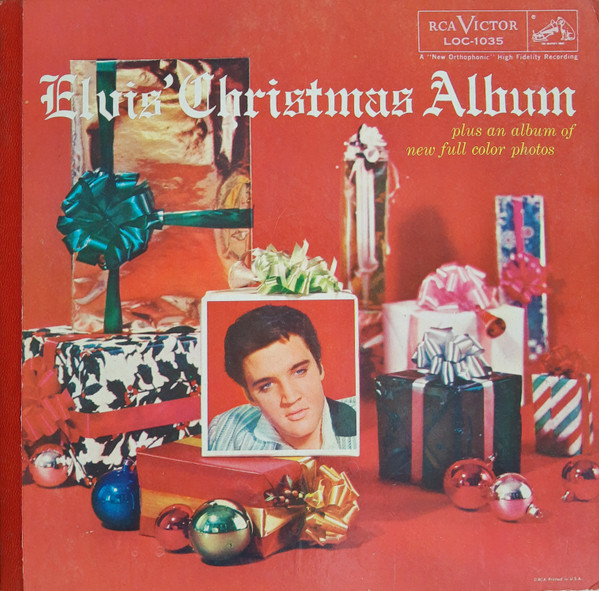
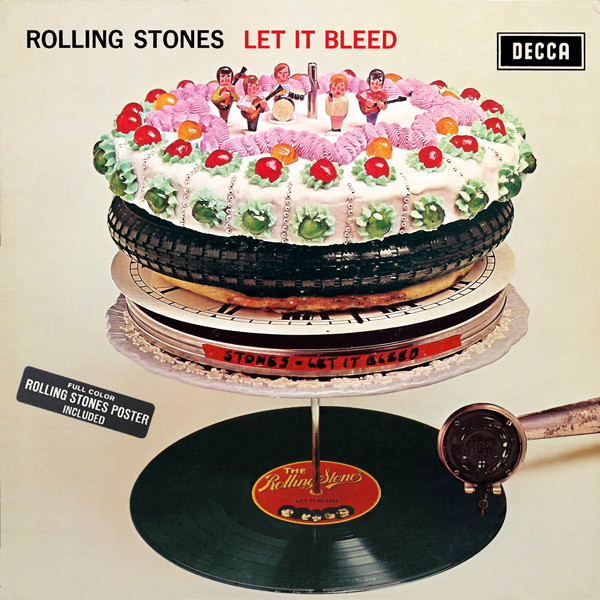
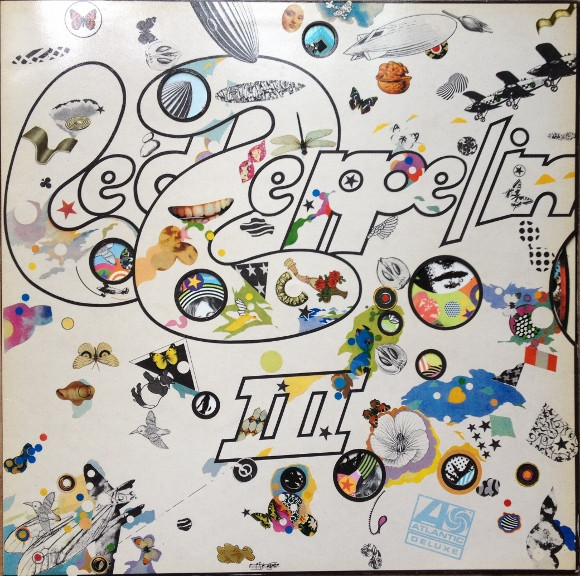
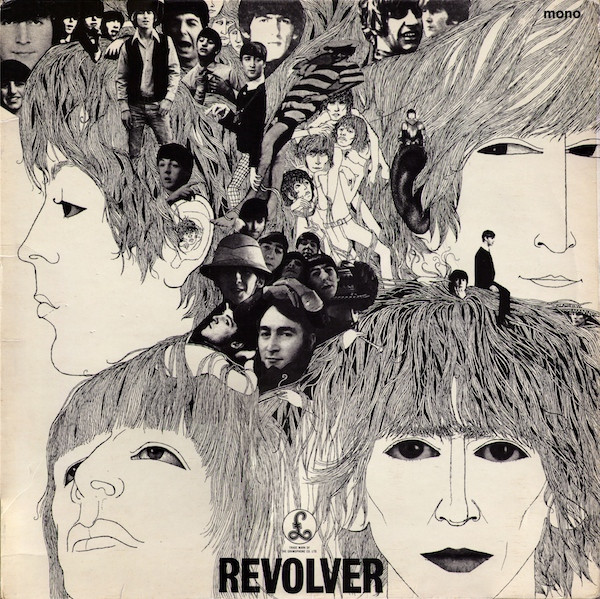
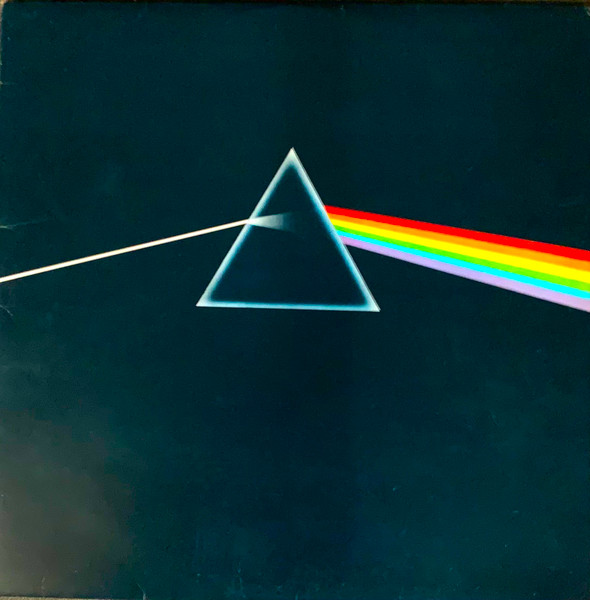
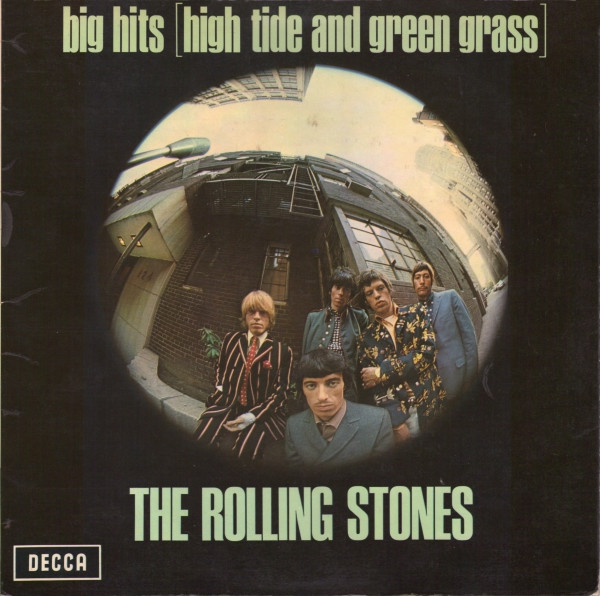
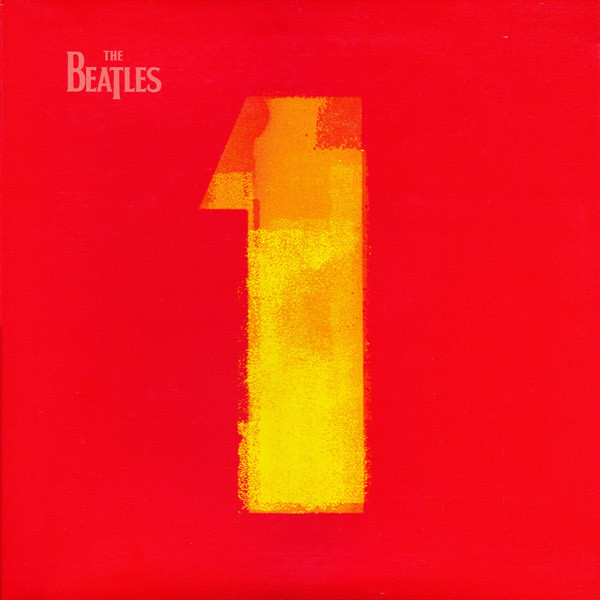
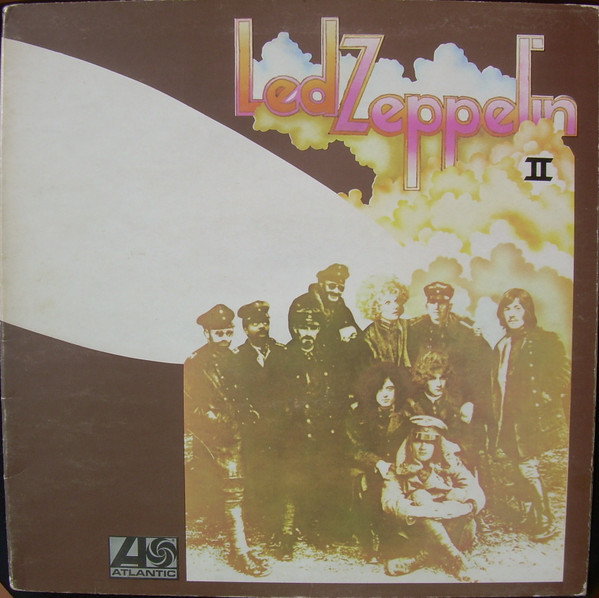
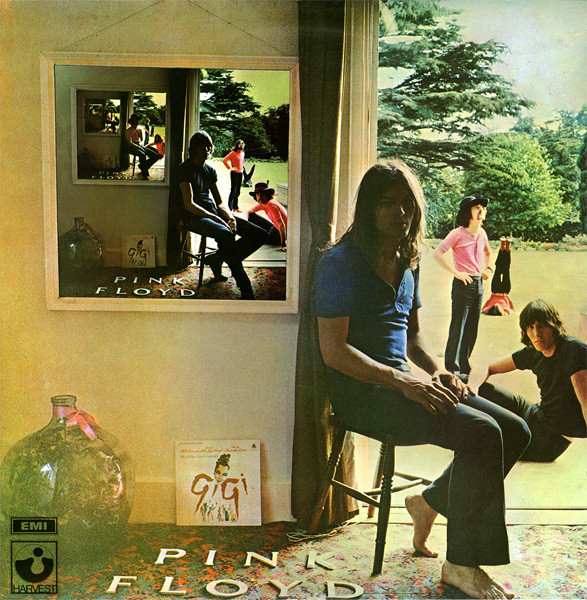
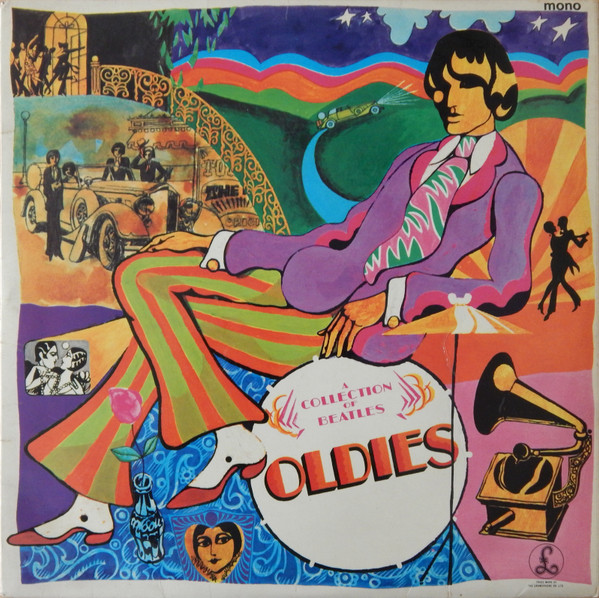
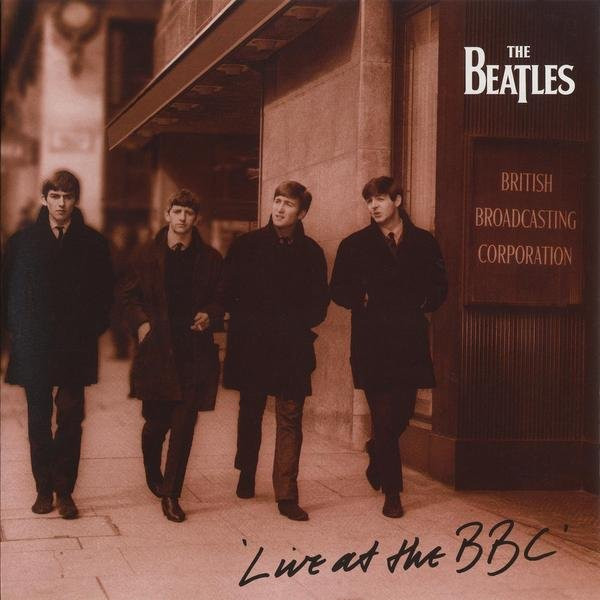
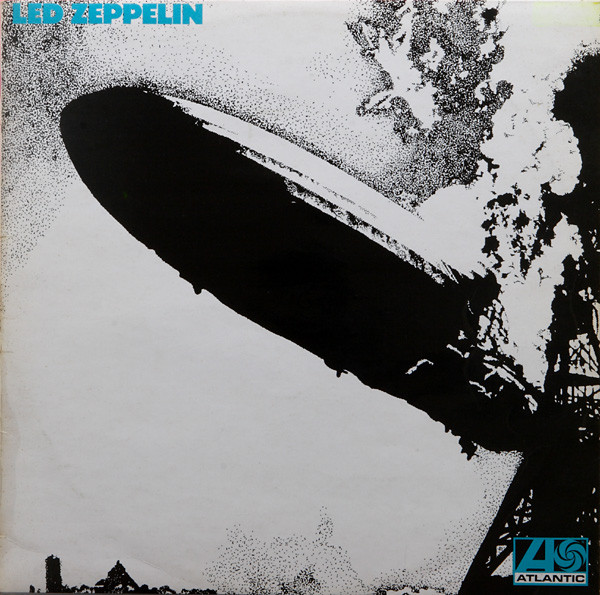
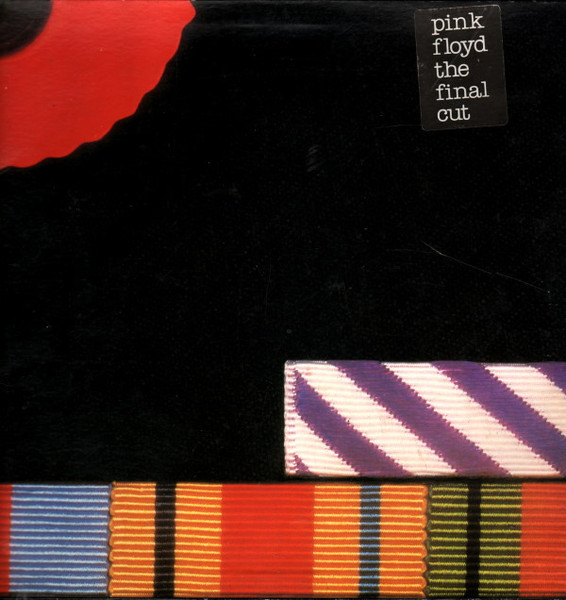
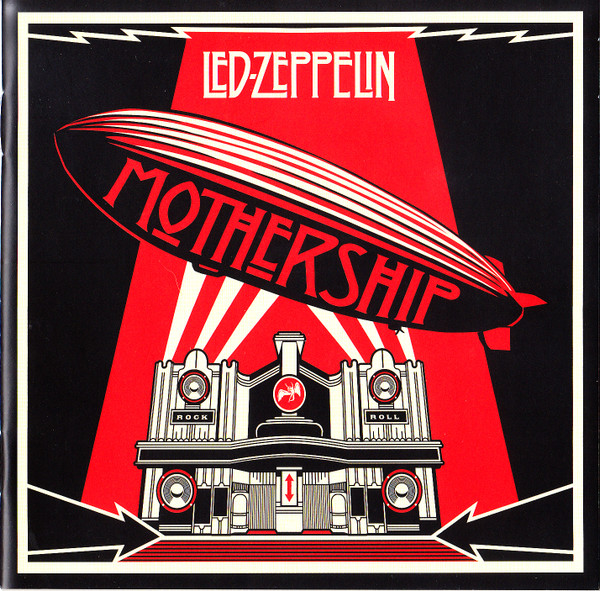
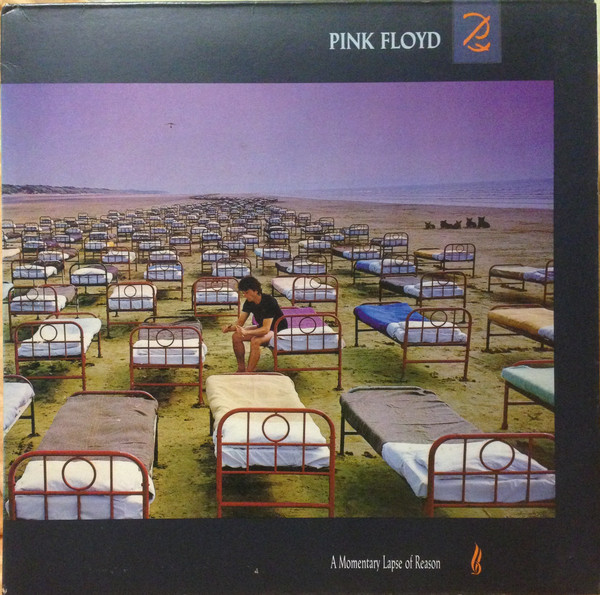
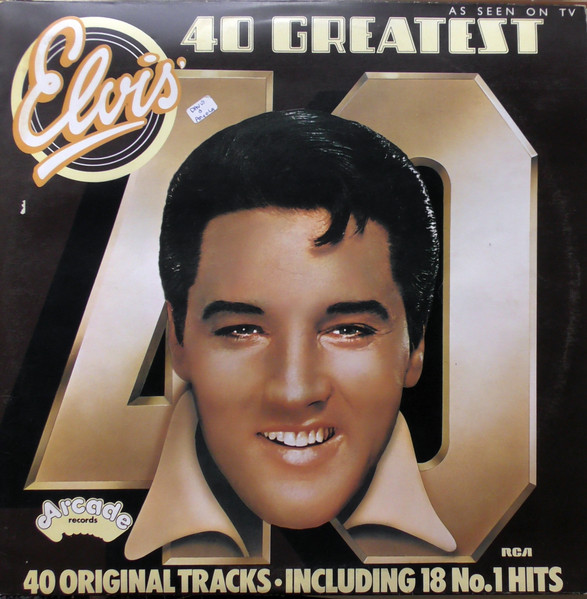
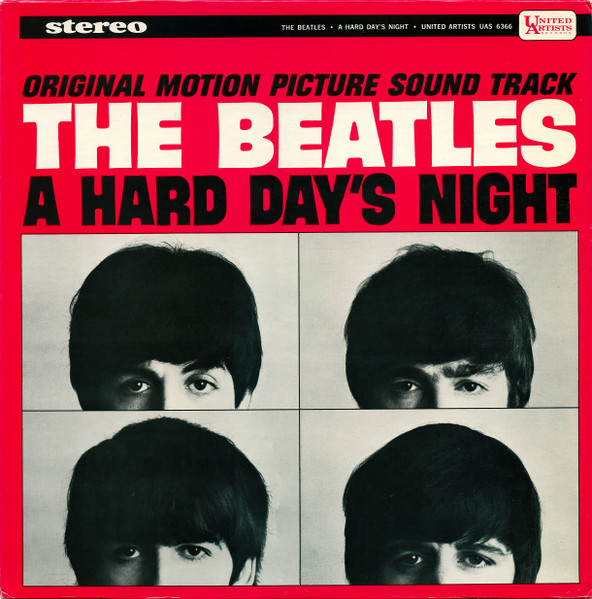
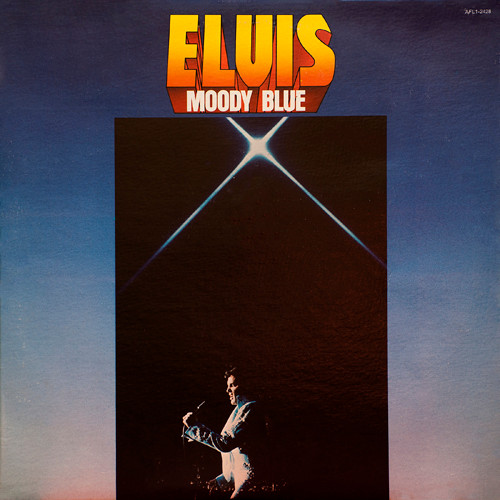
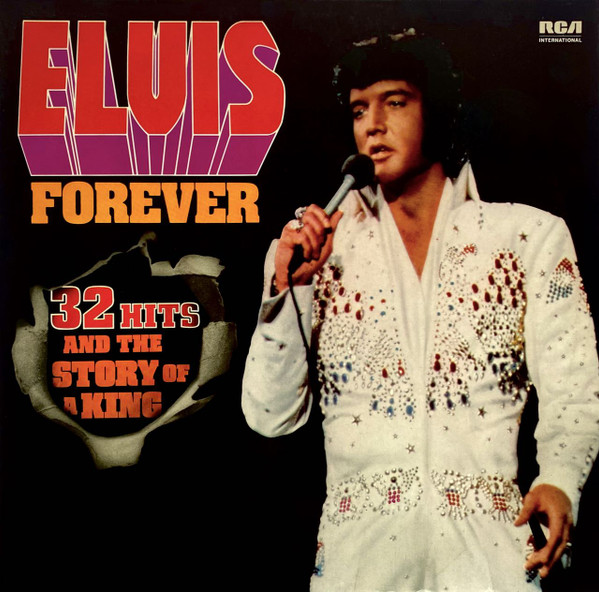
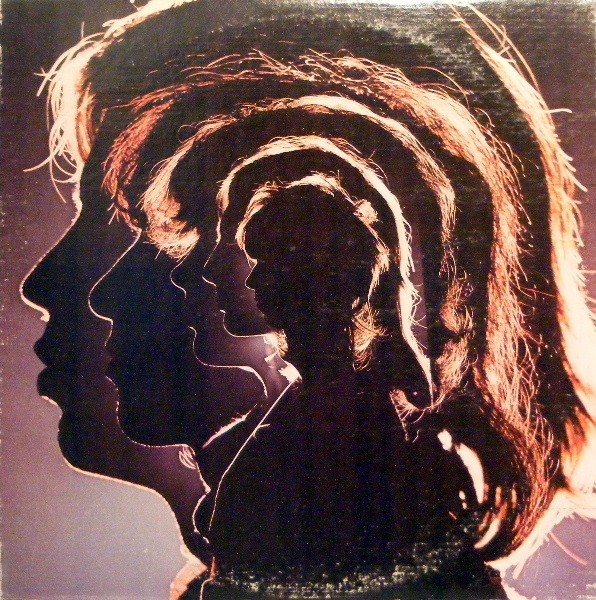
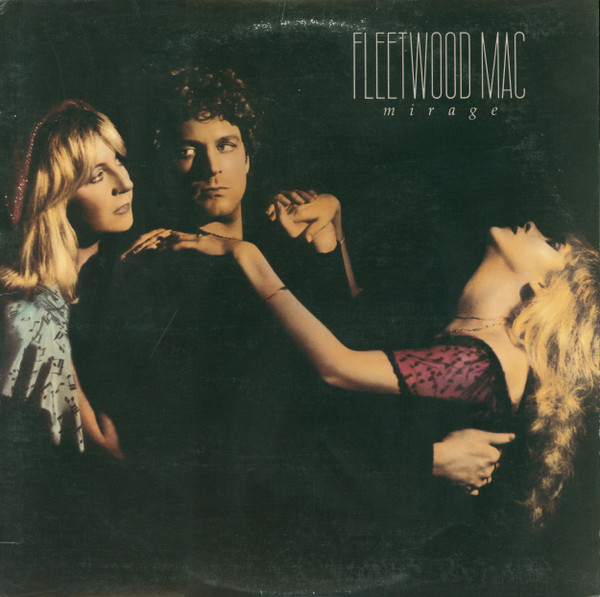
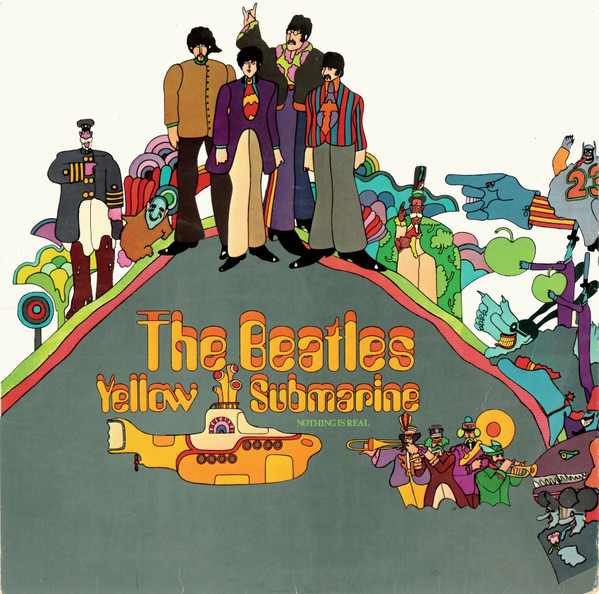
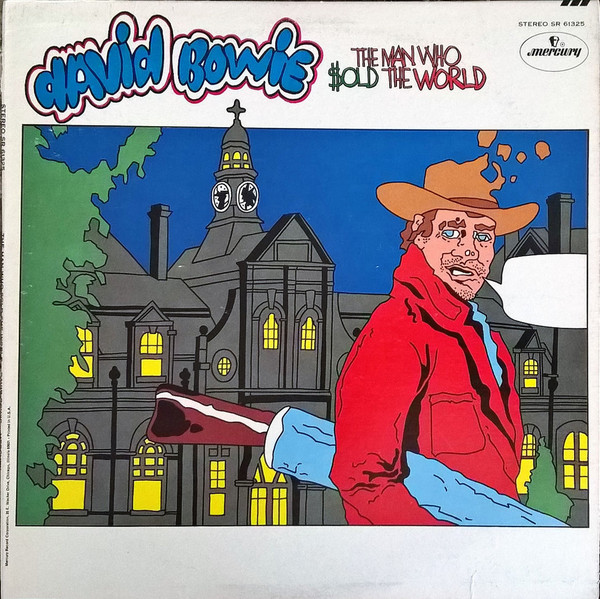
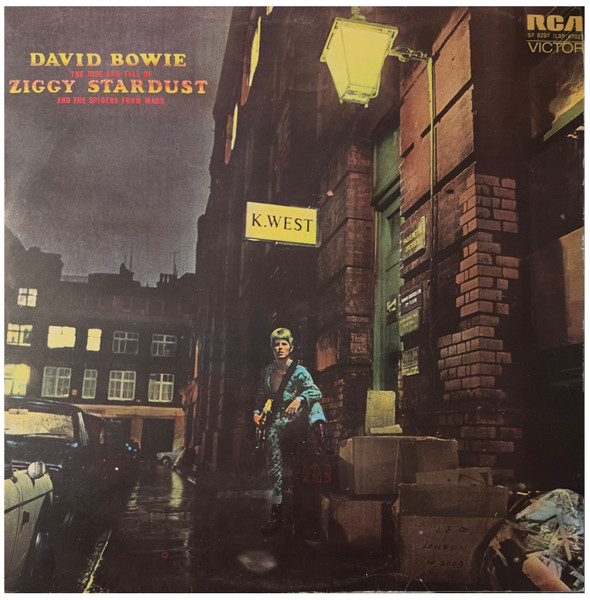
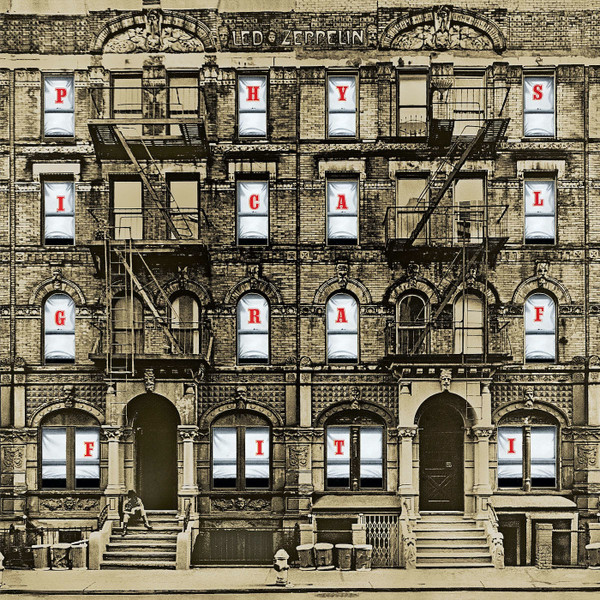
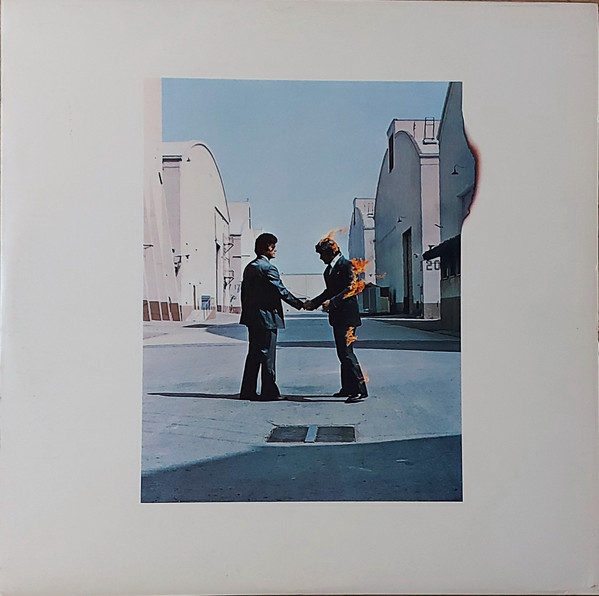
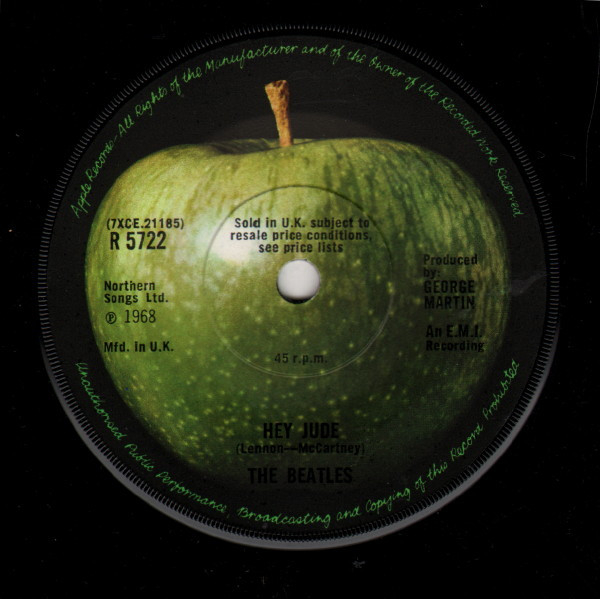
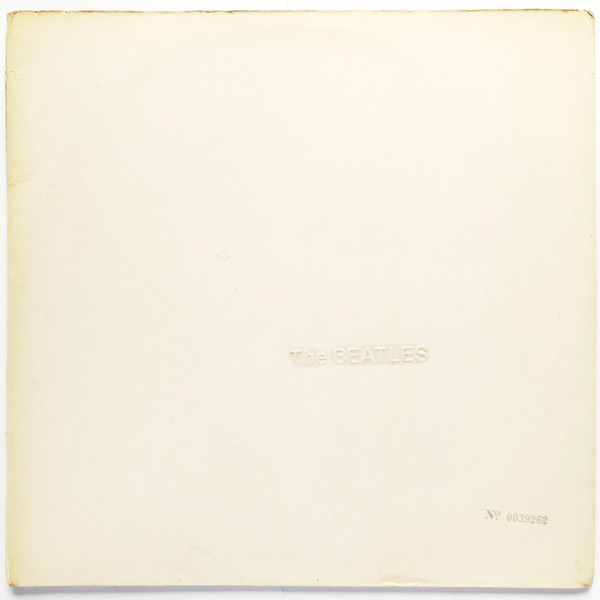
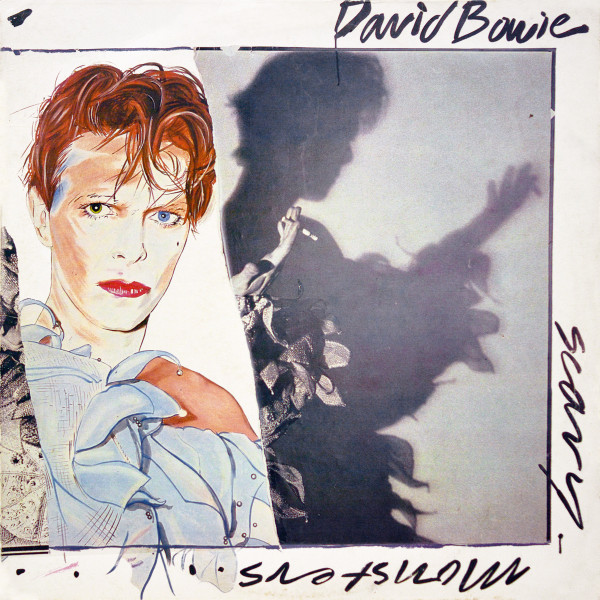
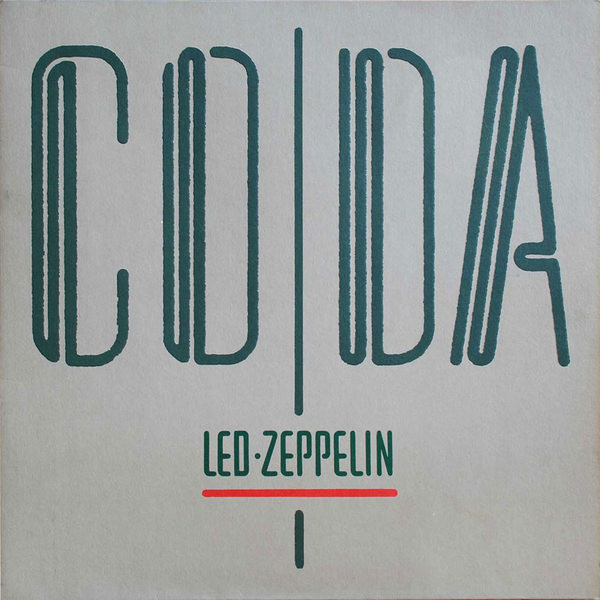
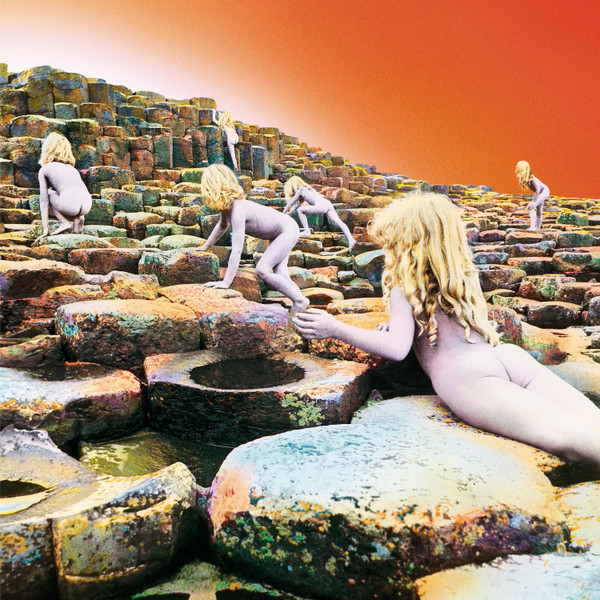
Rock vinyl spans six decades of recorded music, with the strongest collector focus on 1960s and 1970s originals from labels including Parlophone, Apple Records, RCA Victor, and Capitol Records. The Beatles alone account for significant holdings across these catalogs, alongside canonical artists such as Led Zeppelin, David Bowie, Pink Floyd, the Rolling Stones, and Elvis Presley. First pressings from this era command appraisal attention due to mastering variations, label design changes, and pressing-plant scarcity. Collectors evaluate Rock records by original-issue status, format (LP dominates the market), country of pressing, and condition of both vinyl and sleeve.
What makes Rock pressings valuable
First pressings of Rock LPs from the 1960s and 1970s are the primary focus for collectors seeking original mastering and label variants. Mono and stereo pressings of the same title often differ in equalization and groove geometry, making the format choice material to appraisal. The runout matrix—the etched or stamped code in the vinyl's lead-out groove—reveals the pressing plant, cut date, and stamper sequence; comparing this against documented reference data confirms pressing order and rarity. Catalog numbers and label design (text layout, logo style, color) shift between pressings and reissues, so verification requires direct inspection of both the vinyl surface and the label itself.
Labels and eras that define Rock
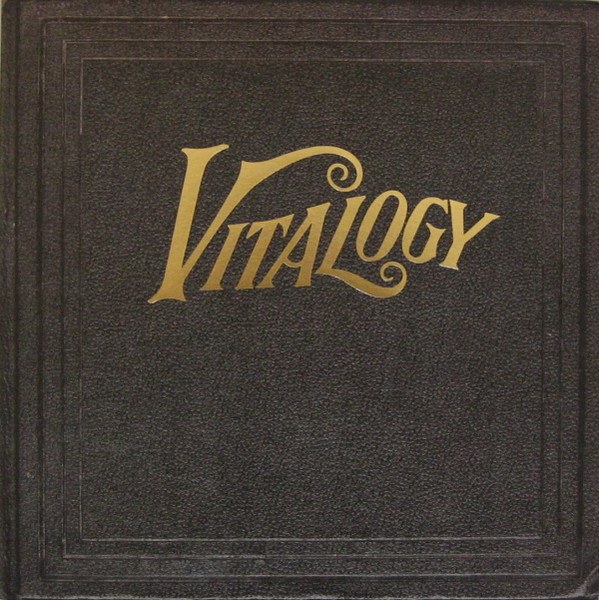
Parlophone and Apple Records dominate British Rock catalogs, particularly for 1960s releases; RCA Victor and Capitol Records anchor American output from the same period. Atlantic and Warner Bros. Records became central to 1970s and 1980s Rock, releasing albums by AC/DC, whose Australian pressings on Albert Productions (such as Back In Black and For Those About To Rock) differ significantly from Atlantic's European editions. The 1990s saw Epic Associated emerge as the primary label for grunge and alternative Rock, evident in Pearl Jam's early catalog including Ten, Vs., and Vitalogy. Geographic pressing variants—Australian, German, US—carry distinct label codes and pressing characteristics that collectors must distinguish.
Original pressing vs reissue
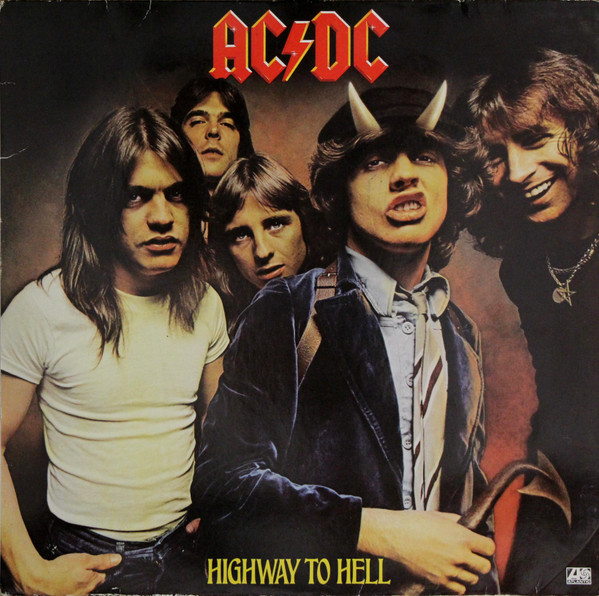
Original pressings are identified by checking the catalog number against the release's documented first pressing, then confirming the label design and runout matrix match the earliest known pressing run. Reissues typically carry later matrix codes, updated label text, or different pressing plants than originals. A copy of Highway To Hell on Atlantic (catalog ATL 50 628) from Germany requires matrix inspection to confirm whether it is an original 1979 pressing or a later reissue; the label's design and any catalog-number variants will differ. Collectors compare their physical copy against detailed discographies and pressing databases to establish whether they hold a first pressing or a subsequent issue.
Buying Rock vinyl: what to evaluate
Rock vinyl is typically listed by format (LP, 7-inch single, or 10-inch), pressing country, label, and catalog number; a complete listing includes sleeve and media grading. Condition directly affects desirability: a clean LP with minimal surface noise, an intact original sleeve, and a legible runout matrix commands stronger collector interest than a worn or sleeve-damaged copy. Before purchase, inspect the catalog number on both the label and sleeve, examine the runout matrix under light to confirm pressing-plant codes, and verify that all inserts or gatefold components are present. Buyers should cross-reference the catalog number and matrix against established discographies to confirm authenticity and pressing status, particularly for high-demand titles from the 1960s and 1970s.