 VinylAI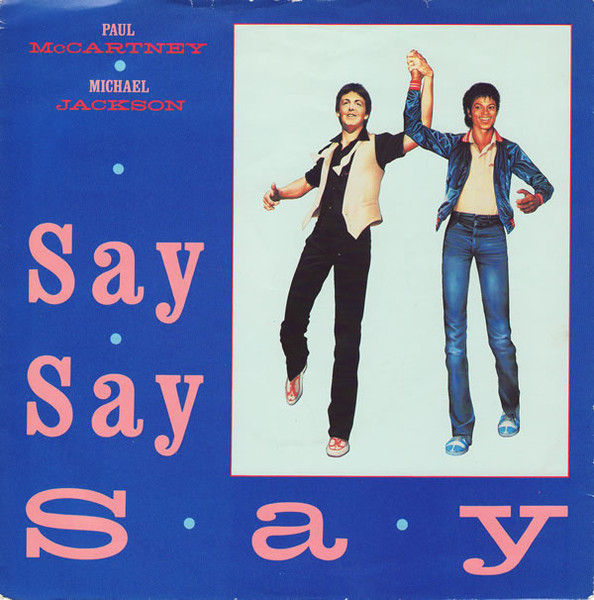
Data as of Jun 16, 2026
Paul McCartney – Say Say Say
1983 · UK · Parlophone · Vinyl 7" 45 RPM Single
Be the first to list yours, or get an email the moment a copy appears.
Price guide
Estimated market value via Discogs · as of Sep 2, 2026
- MMint
- $5.89
- NMNear Mint
- $5.27
- VG+Very Good Plus
- $4.03
- VGVery Good
- $2.79
- G+Good Plus
- $1.55
- GGood
- $0.93
- FFair
- $0.62
- PPoor
- $0.31
165 copies listed on Discogs from $0.24.
These are reference estimates from Discogs sold/asking data for this exact pressing, not offers and not a guaranteed price. Actual value depends on condition, completeness and current demand. Any active seller offers on this page are listed separately above.
Offers
New to condition grades like NM or VG? Read our vinyl grading guide →
Pressing identification
Match these against your copy to confirm the exact pressing.
- Runout — side A
- R 6062A
- Runout — side B
- R 6062B
- Matrix / runout
- R 6062 A-2U-1-1-9R 6062 B-1U-1-1-17R 6062 A-2U-1-2-x1 [lyre symbol]TOPIAR 6062 B-1U-1-3-1 [lyre symbol]TOPIAR 6062 A-2U-1-1-5 [lyre symbol]TOPIAR 6062 B-1U-1-1-0 [lyre symbol]TOPIA
- Pressed By
- EMI Records
- Lacquer Cut At
- Utopia Studios
- Manufactured By
- EMI Records Ltd.
Specifications
- Artist
- Paul McCartney
- Genre
- Electronic
- Style
- Synth-pop, Disco
- Year
- 1983
- Label
- Parlophone, MPL (2)
- Catalog number
- R 6062
- Country
- UK
Tracklist
- ASay Say Say3:55
- BOde To A Koala Bear3:45
- Producer
- George Martin
- Illustration
- Jeff Cummins
- Photography By
- Linda McCartney
About this record
The UK 7-inch single R 6062 stamped by EMI Records carries two distinct dead-wax variants: the A-side matrix R 6062 A-2U-1-1-9 and B-side R 6062 B-1U-1-1-17, pressed in 1983 for Parlophone and MPL. Community data shows 2650 collectors own this 45 RPM synth-pop single against 230 who actively want it, a ratio that reflects its chart-driven accessibility rather than scarcity.
What drives its value
The price spread on this UK pressing is driven by condition grade and the absence of a barcode on original 1983 stock. With 2650 copies in collector hands versus 230 actively seeking one, supply outpaces demand—typical for a major-label hit single.
The synth-pop and disco crossover appeal keeps it in circulation, but the 1983 Parlophone/MPL pressing commands less than reissues because original UK 7-inches from this era were pressed in volume. Grading matters sharply: a Mint copy trades at a premium over VG+ and VG stock because the thin vinyl and paper label are vulnerable to play wear and storage damage.
The EMI pressing plant attribution and dual matrix codes (A-2U-1-1-9 and B-1U-1-1-17) confirm first-pressing status, which anchors value relative to later reissues.
How to appraise this pressing
Confirm this pressing by the catalogue number R 6062 on both label and sleeve. The Parlophone and MPL imprints appear on the label; check the dead-wax runout for either A-2U-1-1-9 (A-side) or B-1U-1-1-17 (B-side) to verify the EMI Records plant pressing.
The absence of a barcode is correct for 1983 UK stock. Grade by examining the vinyl surface under light for hairline scratches and the label for foxing or seepage; the thin 7-inch stock used in 1983 shows play wear quickly.
Listen for surface noise in quiet passages—the synth-pop production exposes pops and crackle. Check the paper label for water damage or adhesive residue from old stickers.
A Mint copy will have no visible marks on either side and play silent; VG+ allows light surface marks that do not affect playback; VG copies show visible wear but remain playable. The 132 community ratings (average 4 out of 5) reflect the track's cultural weight, not pressing rarity.
Further reading: grading a record, what makes a pressing valuable.
Listen
Hear the album before you buy.
Official videos via YouTube.
Release notes
℗ © 1983 MPL Communications Ltd. Original sound recordings made by MPL Communications Ltd.
Michael Jackson courtesy Epic Records
A-Side: Taken from the album .
A: MPL Communications Ltd./copyright control B: MPL Communications Ltd.
Notes sourced from the Discogs database.
Frequently asked
How do I confirm this is the original 1983 UK pressing and not a later reissue?
Check the dead-wax runout on the vinyl itself. The original EMI Records pressing carries either R 6062 A-2U-1-1-9 on the A-side or R 6062 B-1U-1-1-17 on the B-side. The catalogue number R 6062 appears on the label under Parlophone and MPL. The absence of a barcode on the sleeve and label is correct for 1983 UK stock. Later reissues will show different matrix codes or barcode presence.
What is the market position of this single given that 2650 collectors own it and only 230 want it?
The 2650-to-230 ratio indicates this is a well-circulated hit single rather than a sought-after rarity. Most collectors who want it already own a copy, which suppresses active demand. The synth-pop and disco crossover appeal keeps it in steady supply on the secondary market. Prices remain modest because the original pressing was manufactured in volume for the UK market in 1983.
Does the pressing plant attribution affect the value of this copy?
Yes. The EMI Records plant pressing is the original and carries more collector weight than later pressings from other facilities. The matrix codes R 6062 A-2U-1-1-9 and R 6062 B-1U-1-1-17 confirm EMI manufacture. Reissues pressed elsewhere will command lower prices because they lack the first-pressing provenance tied to the 1983 Parlophone/MPL release.
Why does condition matter so much on this 7-inch single?
The 1983 UK 7-inch was pressed on thin vinyl with a paper label vulnerable to play wear, storage damage, and label seepage. A Mint copy with no visible marks and silent playback is rare because most copies have been played. VG+ copies show light surface marks but remain clean-sounding; VG copies display visible wear and surface noise. The thin stock means even light scratches are visible under direct light.
What do the release notes tell me about the copyright and recording credits?
The label states © ℗ 1983 MPL Communications Ltd., confirming McCartney's production company as the copyright holder. Michael Jackson is credited courtesy Epic Records, indicating his vocal was licensed to MPL for this pressing. The A-side copyright is held by MPL Communications Ltd./copyright control, and the B-side by MPL Communications Ltd. This clarifies that McCartney controlled the master and publishing on the UK Parlophone release.