 VinylAI
 David Bowie Vinyl Records for Sale
14 records · Learn more about David Bowie →





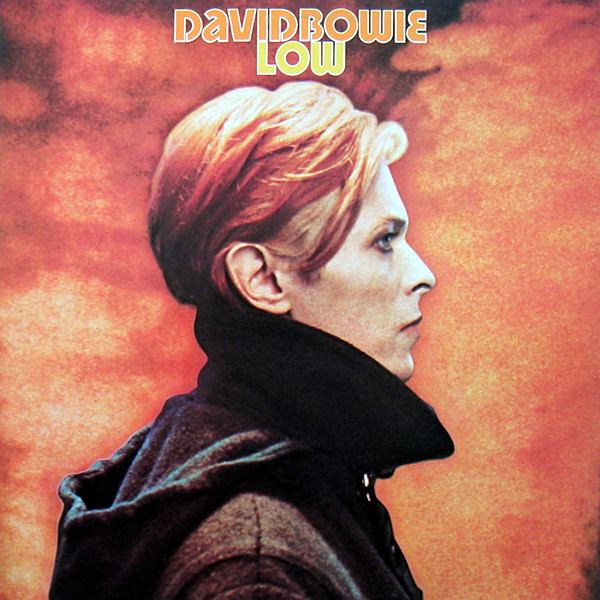
About David Bowie vinyl records
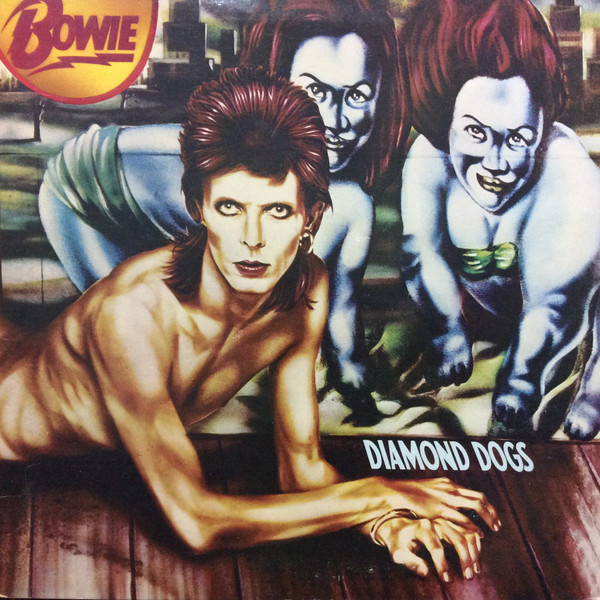
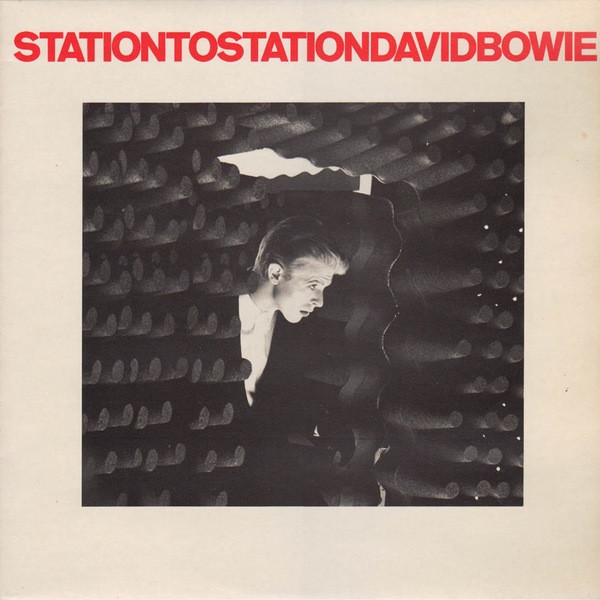
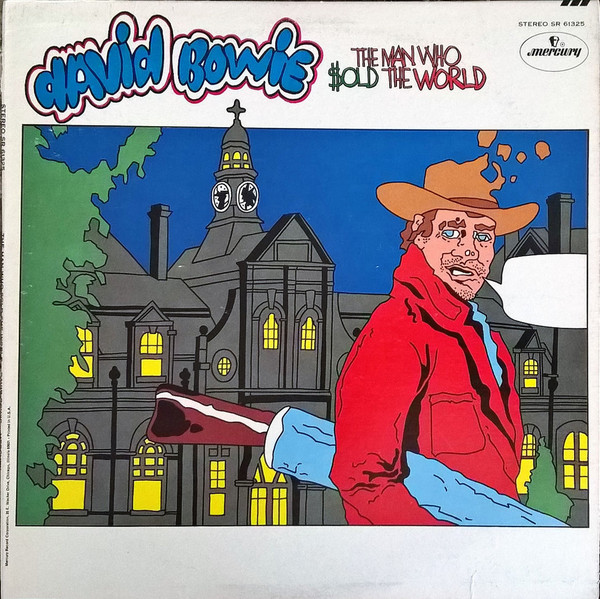
David Bowie's vinyl discography spans 1970 to 2016, with the majority of his releases pressed during the 1970s on RCA and RCA Victor—the labels that defined his most creatively fertile period. Collectors pursue Bowie records across rock, electronic, funk, and pop genres, seeking original pressings from his transformative early work through his later catalogue experiments. The Man Who Sold The World, Station To Station, and Diamond Dogs remain cornerstones of serious Bowie vinyl collections, each representing distinct eras of his artistic evolution.
Most collected David Bowie pressings
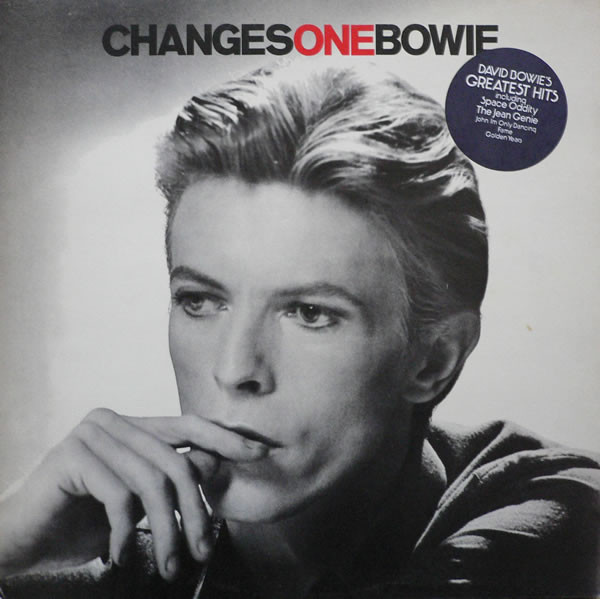
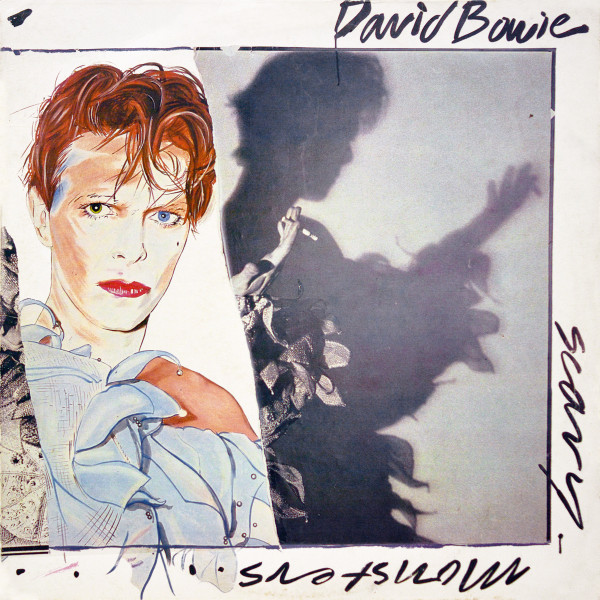
The 1970s RCA releases form the core of Bowie collecting. Station To Station (1976, RCA APL1-1327, UK) and Diamond Dogs (1974, RCA APL1-0576, UK) are pursued for their original stereo pressings and label variants. ChangesOneBowie (1976, RCA RS 1055, UK) represents the compilation-era material and carries significant collector interest. The Man Who Sold The World (1970, Mercury SR 61325, US) marks Bowie's debut and commands attention from completists. Later pressings, including Scary Monsters (1980, RCA BOW LP 2, UK), remain available but attract less premium interest than first-issue 1970s stock. The 2016 release ★ (Blackstar) on ISO Records stands apart as a modern-era pressing and appeals to those building comprehensive collections.
Originals vs reissues
First pressings of RCA Victor and RCA releases from the mid-1970s are distinguished by catalogue number format and label design. Original UK pressings typically carry narrow-spine sleeves and specific matrix/runout information stamped in the vinyl. To verify an original, check the catalogue number against the release page, examine the label print style and font weight, and inspect the runout matrix for plant-code indicators. Reissues and later pressings often show different catalogue prefixes, updated label graphics, or alternate pressing plants. Comparing the physical label against documented first-press examples—particularly the spacing and color of the RCA logo and text—helps confirm era and pressing plant. Mercury and ISO Records pressings each carry distinct label identities that separate them from the RCA-era material.
What drives David Bowie record values
First pressings from the 1970s RCA catalogue command collector attention based on country of origin, pressing condition, and mono versus stereo designation. UK original pressings of Station To Station and Diamond Dogs typically outrank later reissues or non-UK variants. Sleeve condition—including presence of original inner sleeves, gatefold integrity, and freedom from seam splits—significantly influences desirability. Stereo pressings are generally preferred over mono for these titles. Special editions, gatefold packaging, and limited-run variants create differentiation within the catalogue. The scarcity of clean original copies, particularly from the 1970s, underpins collector demand. Bowie's cultural significance and the artistic importance of his mid-decade work ensure sustained interest in original vinyl across all conditions.
Buying David Bowie on vinyl
Collectors hunting original 1970s RCA pressings should prioritize condition assessment: check for surface noise, groove wear, and label damage before purchase. A clean original copy of Station To Station or Diamond Dogs requires inspection of both sides for scratches and proper playback testing when possible. Sleeve condition matters equally—original gatefold sleeves with intact spines and unfaded printing command preference over replacement sleeves. Early Mercury pressings of The Man Who Sold The World appeal to those seeking the debut in its original US format. RCA Victor and RCA catalogue numbers provide a starting point for era verification; cross-reference the catalogue number on the release page to confirm pressing date and region. Later reissues and 1980s pressings like Scary Monsters offer entry points for budget-conscious collectors while original 1970s stock remains the focus for serious acquisitions.