 VinylAI
 Pink Floyd Vinyl Records for Sale
12 records · Explore artist guides →




About Pink Floyd vinyl records
Pink Floyd's vinyl discography spans from their 1967 debut The Piper At The Gates Of Dawn through 1994's The Division Bell, establishing the band as a cornerstone of progressive rock on LP. The majority of their catalog appeared on Harvest, EMI's rock imprint, during the prolific 1970s—the decade that defined their sound and collecting appeal. UK pressings dominate the market, with early Columbia and later EMI releases marking distinct eras of the group's evolution. Collectors prize original pressings for their sonic character and historical significance, while reissues and compilations like Relics remain accessible entry points.
Most collected Pink Floyd pressings
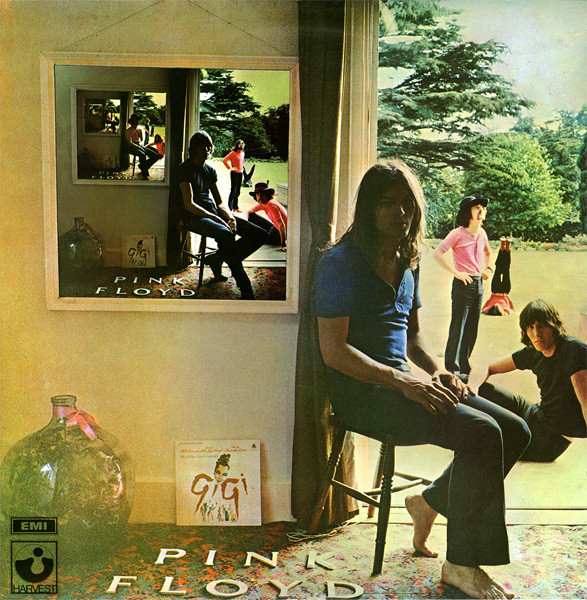
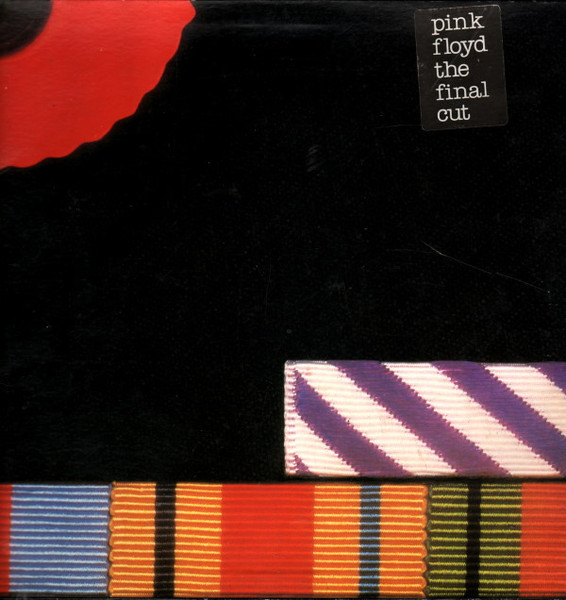
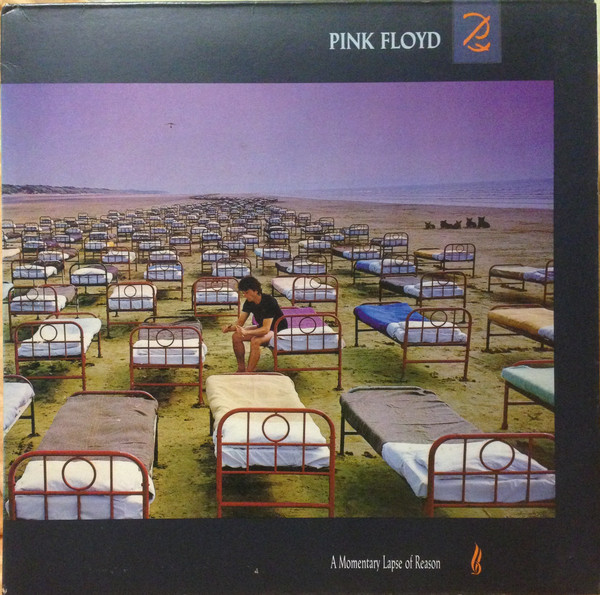
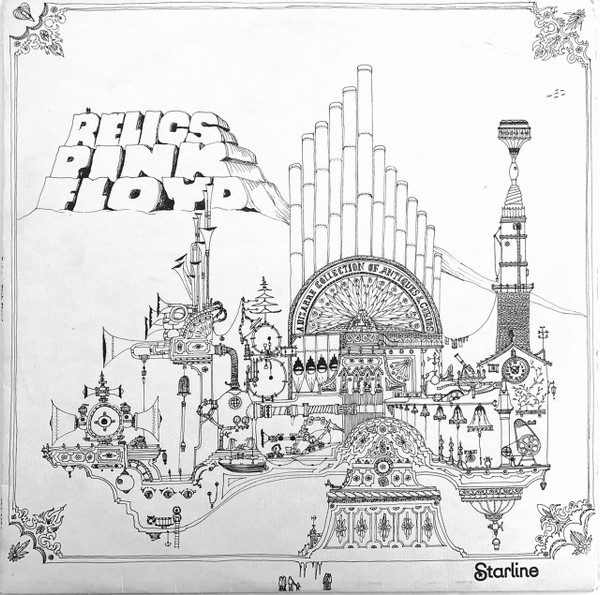
The Piper At The Gates Of Dawn (1967, Columbia SX 6157) represents the group's psychedelic foundation and commands attention as a first pressing. Ummagumma (1969, Harvest SHDW 1/2) arrived as a double album during their experimental phase. The 1970s Harvest releases form the core of serious collections, with The Final Cut (1983, Harvest SHPF 1983) marking the band's last studio work with original members. Later pressings such as A Momentary Lapse Of Reason (1987, EMI EMD 1003) and The Division Bell (1994, EMI United Kingdom 7243 8 28984 1 2) appeal to collectors documenting the reunited lineup. Relics (1971, Starline SRS 5071) functions as a compilation but holds value as an early UK budget-label issue.
Originals vs reissues
First pressings on Harvest carry catalogue numbers and runout matrices that distinguish them from later stock pressings and reissues. UK Columbia and EMI releases can be verified by checking the catalogue number on the label and spine against the release documentation. Mono and stereo variants exist across the catalog; early 1960s pressings may appear in either format, affecting collector interest. Reissue campaigns, particularly from EMI, have reissued major titles multiple times since the 1980s onward. To confirm a pressing era, examine the label design, catalogue number format, and runout matrix—each plant and decade employed distinct typesetting and manufacturing codes. Original Harvest pressings typically show different label fonts and printing than later reissues.
What drives Pink Floyd record values
First pressings of 1970s Harvest albums command collector attention due to their original mastering and limited initial runs. UK pressings, particularly those from the band's peak commercial years, hold stronger appeal than later international reissues. Stereo copies of early albums are preferred over mono variants by most collectors. Condition—clean vinyl, uncracked sleeve, and legible labels—directly influences desirability. Double albums like Ummagumma present additional grading considerations, as both discs must be assessed. Pressing plant quality and era affect sonic character; early pressings often exhibit different equalization and pressing weight than later reissues. Rarity of specific label variants and catalogue numbers can elevate value among specialist collectors hunting complete label discographies.
Buying Pink Floyd on vinyl
Collectors actively hunt original UK Harvest pressings from the 1970s, the band's most creatively significant decade. A clean copy requires inspecting both sides for surface noise, hairline scratches, and warping before purchase. Sleeves should be examined for seam splits, water damage, and fading; gatefold sleeves on double albums are particularly vulnerable. Catalogue numbers and label variants should be cross-referenced against known pressings to confirm era and origin. Budget-label reissues like Starline copies of Relics appeal to collectors seeking affordable entry into the catalog. Late-1980s and 1990s EMI pressings remain affordable and offer reliable playback for listeners prioritizing condition over pressing rarity. Dealers typically stock multiple pressings across different eras; requesting specific catalogue numbers or plant codes ensures you receive the pressing you seek.