 VinylAI
 Queen Vinyl Records for Sale
7 records · Explore artist guides →

About Queen vinyl records
Queen's studio and compilation albums appeared on vinyl exclusively through EMI between 1975 and 1981, establishing the band's core discography across the late 1970s rock boom. From A Night At The Opera through Greatest Hits, these six LP releases document Queen's evolution from theatrical rock toward pop-inflected stadium production. UK pressings on EMI remain the foundation of Queen vinyl collecting, valued for their original mastering, label variants, and the sonic character of first-generation pressings.
Most collected Queen pressings
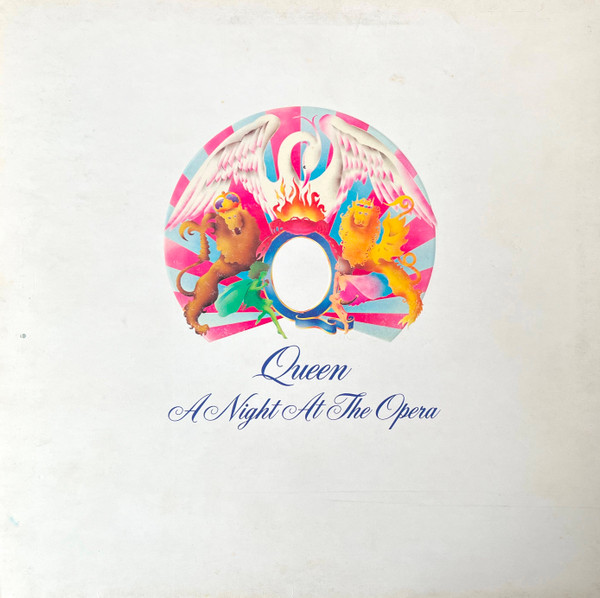
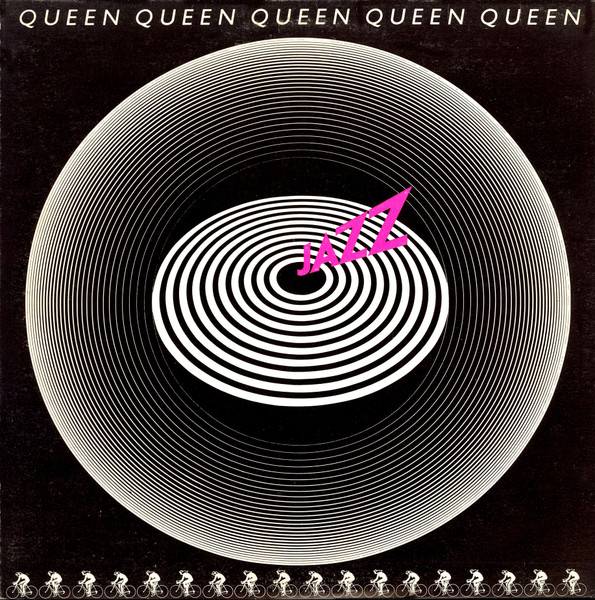
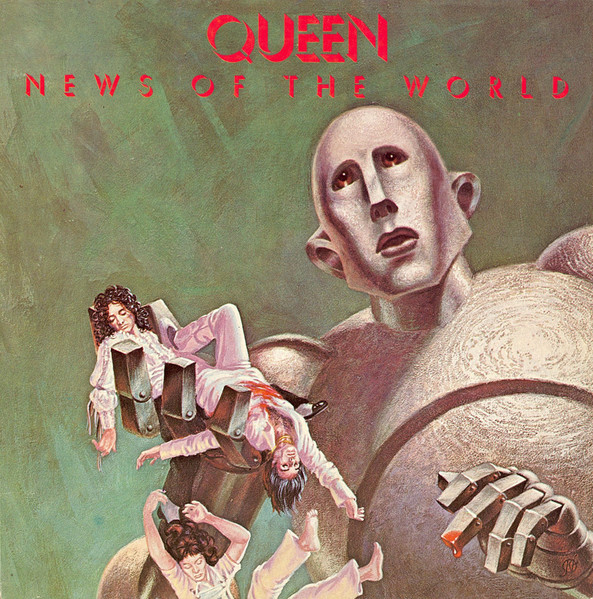
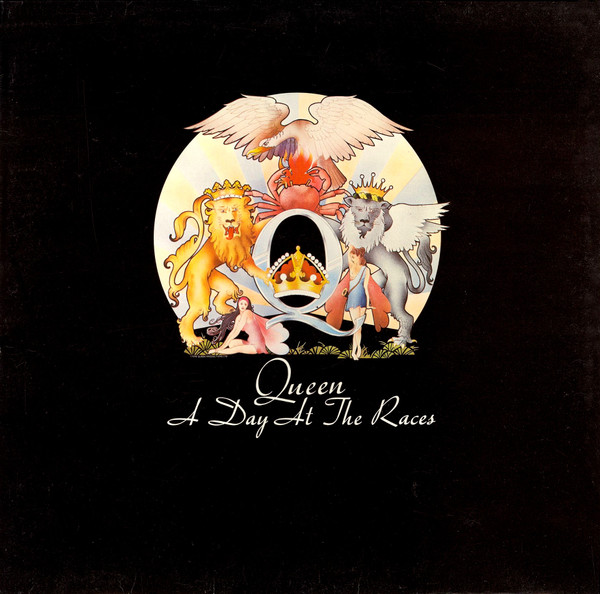
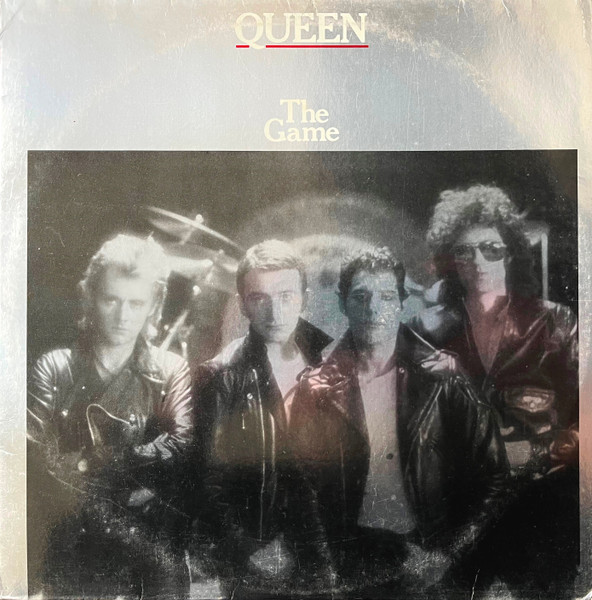
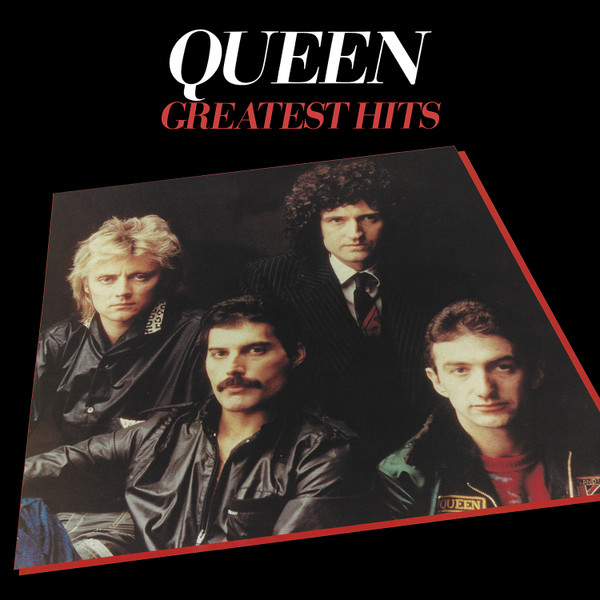
A Night At The Opera (EMTC 103, 1975) and A Day At The Races (EMTC 104, 1976) represent Queen's early EMI catalogue and are pursued for their gatefold packaging and original stereo mixes. News Of The World (EMA 784, 1977) and Jazz (EMA 788, 1978) marked the shift to standard EMI sleeves and reflect the band's commercial peak. The Game (EMA 795, 1980) arrived as Queen moved toward synth-driven production, while Greatest Hits (EMTV30, 1981) compiled their singles and remains a gateway pressing for collectors. UK first pressings of all six titles command consistent collector interest.
What drives Queen record values
Original UK EMI pressings from 1975–1981 hold primary appeal because they preserve the first stereo master cuts and label designs of their release year. Catalogue numbers and label colour—check the pressing details on the release page—distinguish early runs from later reissues. Condition of the vinyl surface, sleeve integrity, and presence of original inner sleeves or inserts affect desirability. Mono pressings exist for some titles but are rarer than stereo. Gatefold editions (A Night At The Opera and A Day At The Races) command premium attention among collectors seeking complete original packaging.
Buying Queen on vinyl
Collectors hunting Queen on vinyl prioritize UK EMI originals from the 1970s and early 1980s. A clean copy requires inspection of the vinyl surface under light for scratches or hairline marks, and the sleeve should show minimal seam splitting or foxing. Verify the catalogue number and label against the release page to confirm pressing era. Original inner sleeves, lyric sheets, and uncut gatefolds add value. Stereo pressings are standard; mono copies are sought by specialists. Records stored flat in stable conditions and played minimally retain their sonic character and collectibility.
What to check before buying
Before purchasing, examine the runout matrix and label design to confirm the pressing plant and year. Compare the catalogue number on the release page with the record's label and sleeve. Play-grade vinyl shows minimal surface noise; near-mint copies are rare. Check that gatefold seams are intact and that inner sleeves (if original) are present and undamaged. Verify stereo or mono designation on the label. UK EMI pressings will display the EMI logo and catalogue prefix (EMTC or EMA); reissues often carry different prefixes or plant codes. Asking the seller for close-up photos of the label, runout, and sleeve condition eliminates uncertainty.